DP Transmitter Calibration: 5-Point Procedure & Field Traps
Calibrate a differential pressure transmitter end to end. 5-point Up & Down procedure, HART vs analog, JJG 882-2019 interval, and 5 field traps to avoid.
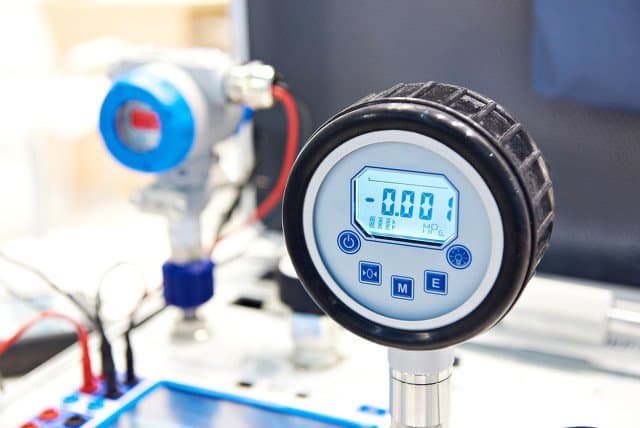
Calibrate a differential pressure transmitter end to end. 5-point Up & Down procedure, HART vs analog, JJG 882-2019 interval, and 5 field traps to avoid.
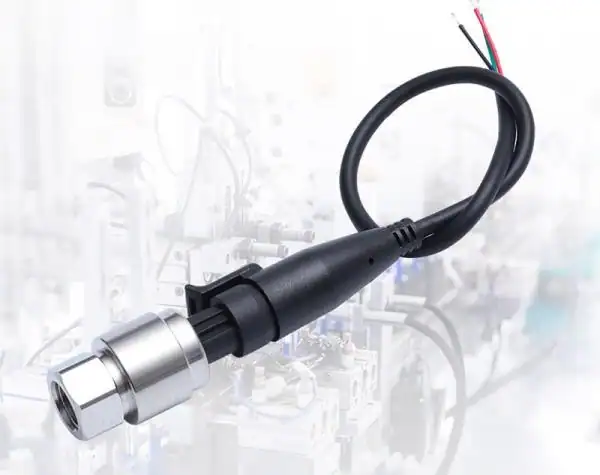
Spec the right low pressure transducer for HVAC, cleanroom, filter monitoring or OEM use. Ranges 100 Pa-10 kPa, accuracy, mounting, and 6 HMK matches.
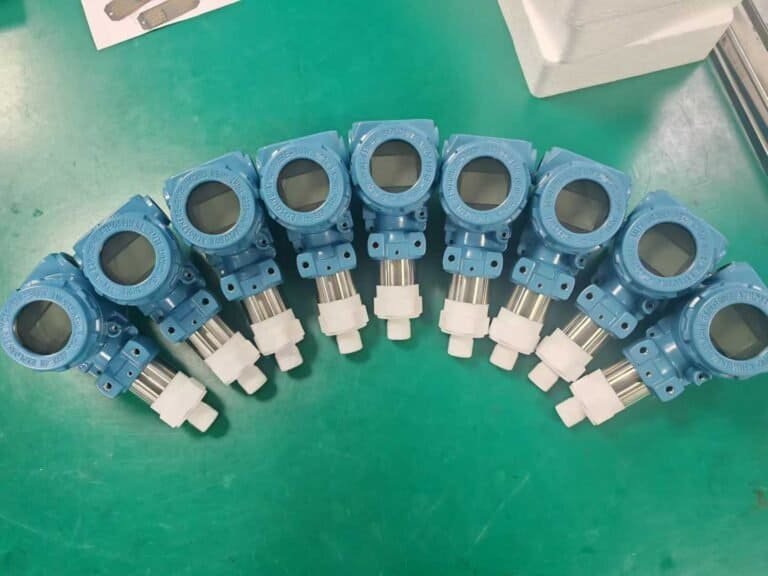
Compare Ex i and Ex d pressure transmitters, decode ATEX, IECEx, and GB 3836 certificates, and pick the right intrinsic-safety spec for Zone 0/1/2 service.
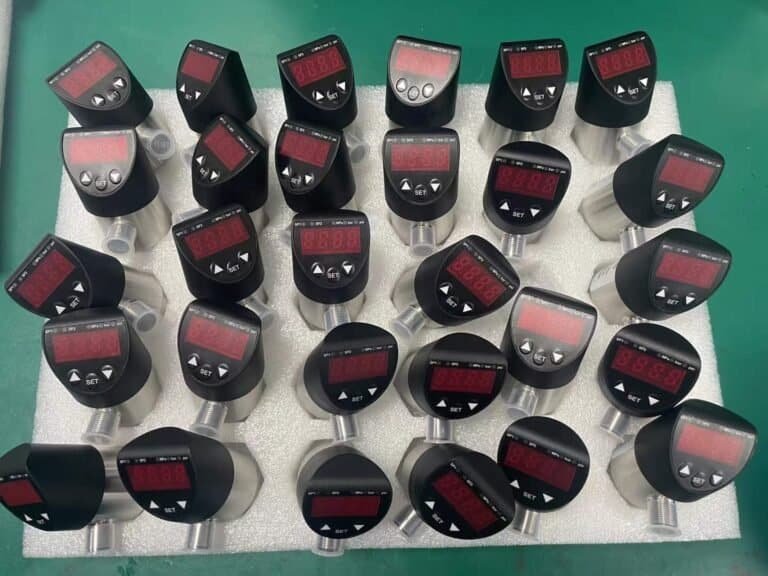
Pressure switch vs transmitter: a five-criterion framework (control, data, SIL, integration, lifecycle) plus HM41 hybrid specs and refinery failure patterns.
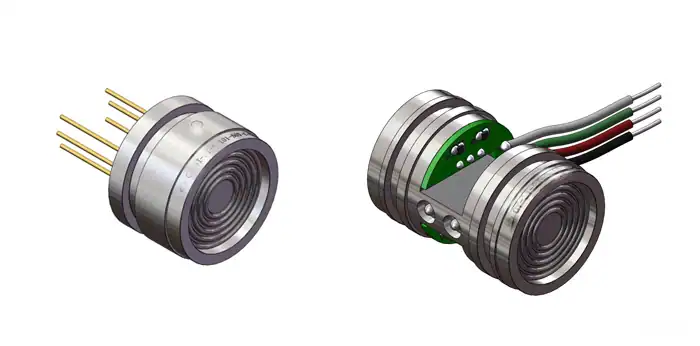
Compare piezoresistive and capacitive pressure sensors head-to-head: physics, accuracy, temperature drift, media compatibility, and a 4-branch decision framework to pick the right cell.
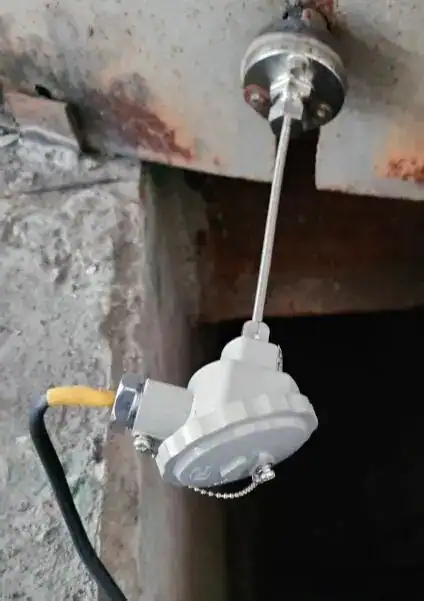
Grounded, ungrounded, or exposed thermocouple junction? Real τ63 numbers, Class I/II tolerances, and 2×3 selection matrix with Sinopec, Baosteel, CATL cases.
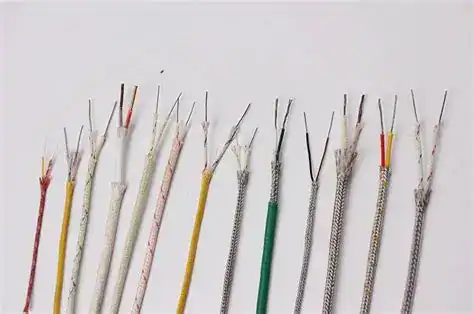
Thermocouple extension wire uses the same alloy as the sensor; compensating cable uses a cheaper alloy pair that matches EMF only in the ambient window. Field data on loop resistance, run-length error, GB/ANSI/IEC codes and five wiring mistakes that bury more error than the sensor itself.
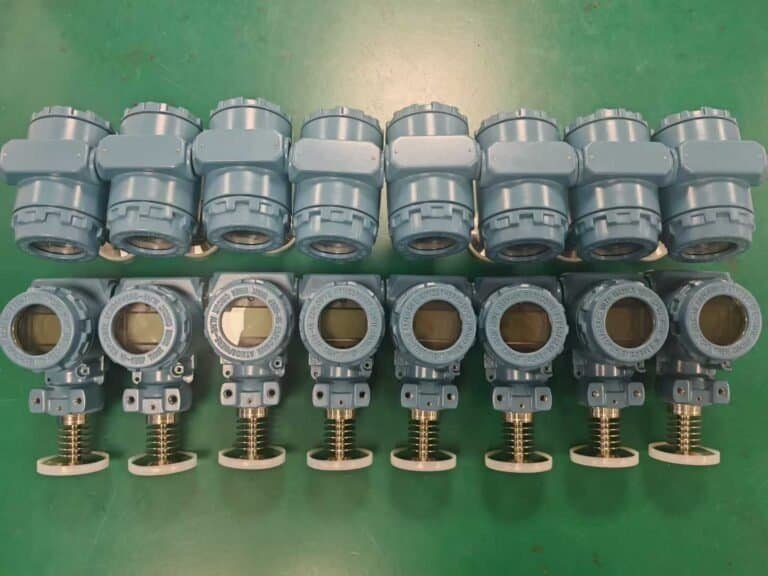
When a flush diaphragm beats a threaded port, how to pick the diaphragm material, and which HMK model (HM70, HM28 Sapphire, HM60 Ex) fits your pressure, temperature and sanitary class.
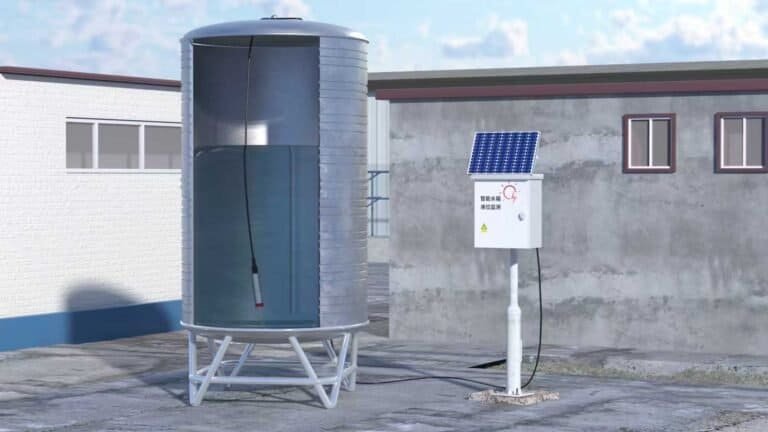
A submersible level transmitter lives or dies by how it handles six field stresses — lightning, vent-tube condensation, silt, cable damage, freeze, and chemical attack. Here is the variant-selection and diagnostic playbook our field team uses.
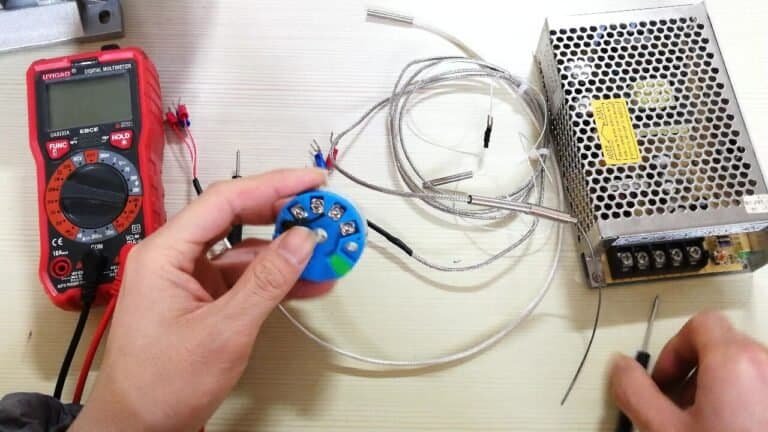
RTD wiring field guide — why 2-wire adds 8 °C error, how 3-wire cancels lead resistance via Wheatstone, when to use 4-wire Kelvin. Color codes + diagnostics.
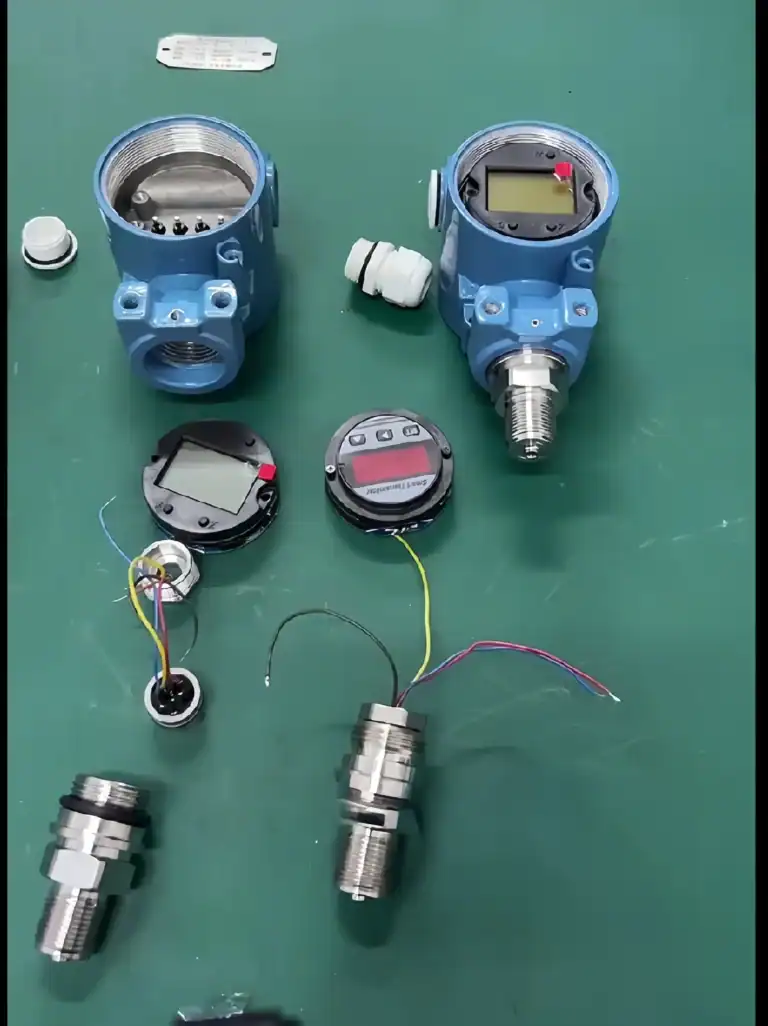
How a pressure transmitter works — the 6-stage signal chain and the 4 sensing technologies (piezoresistive, ceramic, sapphire, MEMS) compared by accuracy, drift, temperature, and cost.
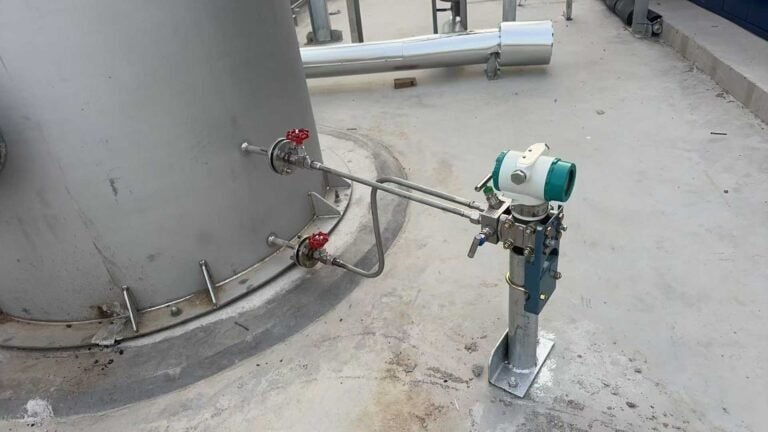
Differential pressure level measurement explained: hydrostatic principle, four install configs (open tank, closed tank dry/wet leg, bubbler), LRV/URV calculation, interface measurement, and how DP compares to radar and guided-wave for refinery, tank farm, and separator service.
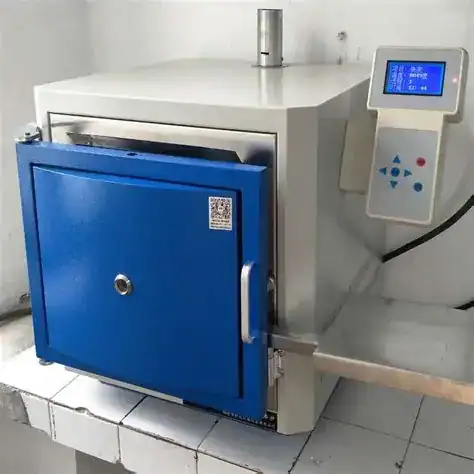
Cold junction compensation explained: what it is, 5 methods, real error budget for Type K, and the 3 field failure modes nobody documents.
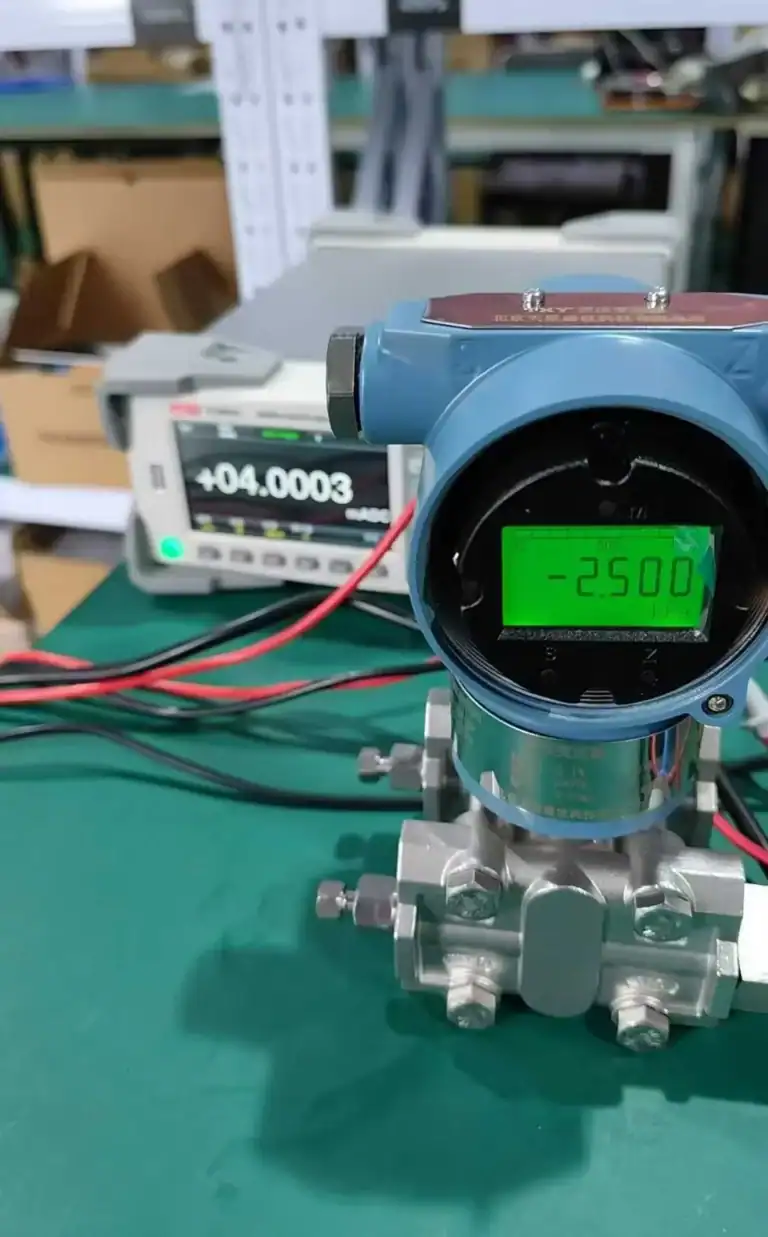
Learn how a differential pressure transmitter works — from ΔP sensing and three sensor technologies (capacitive, diffused silicon, resonant silicon) to static pressure effects and 3-valve manifold startup.
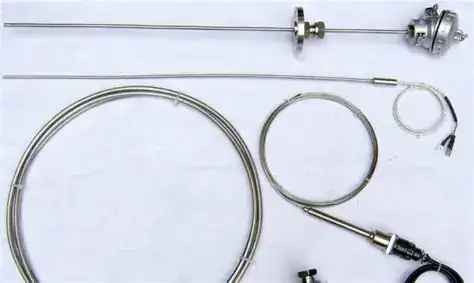
RTD vs thermocouple — compare accuracy, range, response speed, wiring, drift, and cost. Learn the 500°C rule engineers use to pick the right sensor.
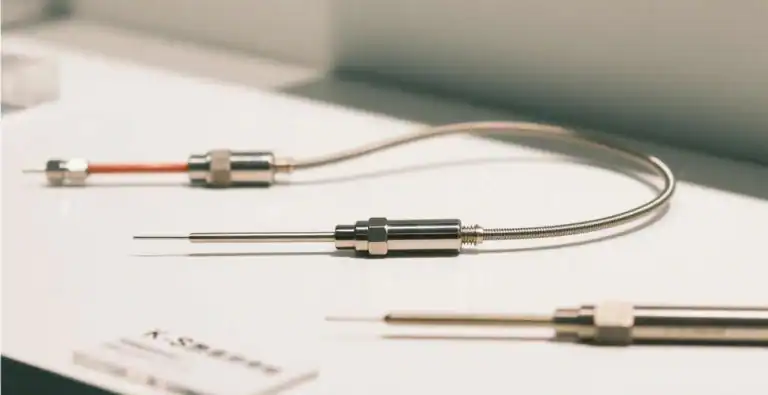
You need to replace a thermocouple — or spec one for a new line — and the catalog shows eight letters. K, J, T, E, N, S, R, B. Each has a different alloy pair, a different temperature ceiling, and a different set of environments where it thrives or fails. Thermocouples are one of several…
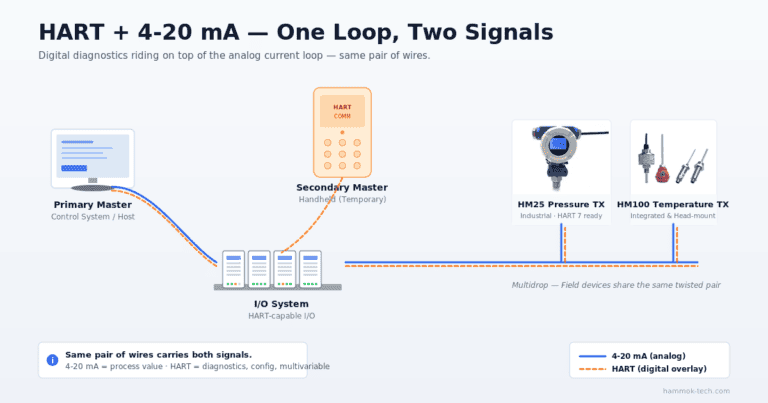
HART isn’t a replacement for 4-20mA — it’s a digital layer on top of it. See when the HART 7 upgrade pays back, and when pure 4-20mA is still enough.
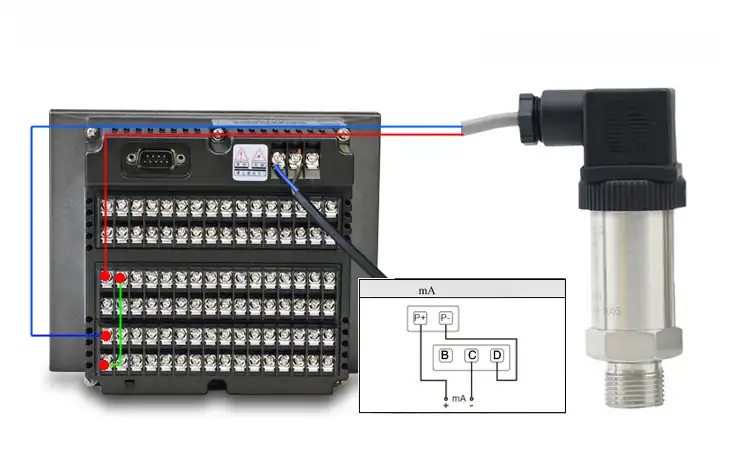
You’ve got a new 4-20mA pressure transmitter in hand and you need to wire it correctly the first time — without frying the board, starving the loop of voltage, or spending three hours debugging why the PLC reads zero. Once the loop is wired, the next step is confirming it reads true — see the…
Absolute pressure vs gauge pressure explained by a 35-year refinery engineer — the 95/5 decision rule, the sealed-gauge trap, altitude drift for 5 US sites, and how to pick the right HMK transmitter.
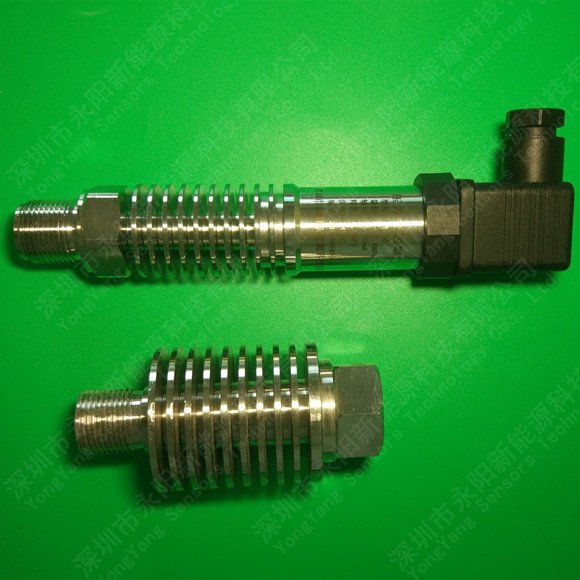
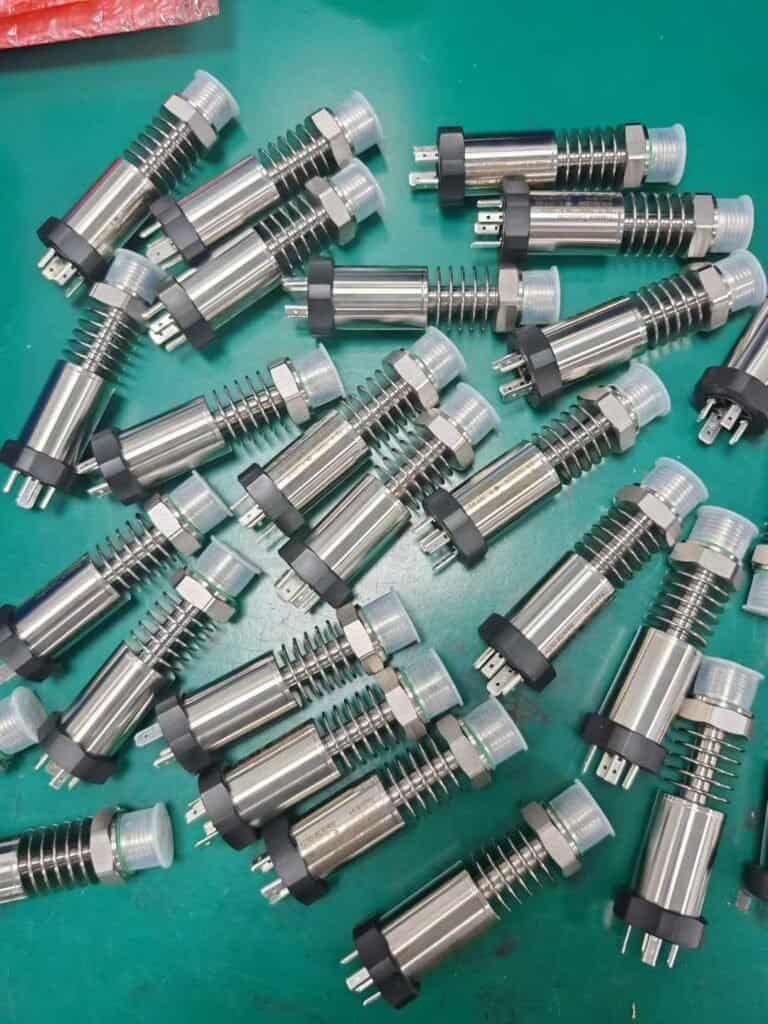
Choose the right pressure sensor for high temperature service from +250°F to +2192°F. 4 methods compared with real specs and custom options from HMK-TECH.