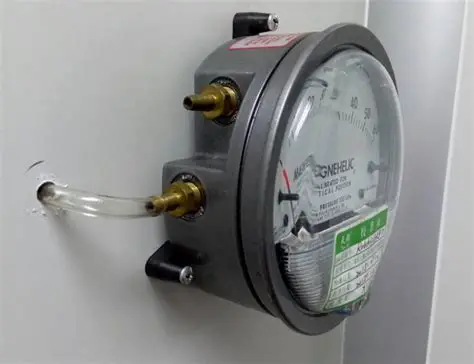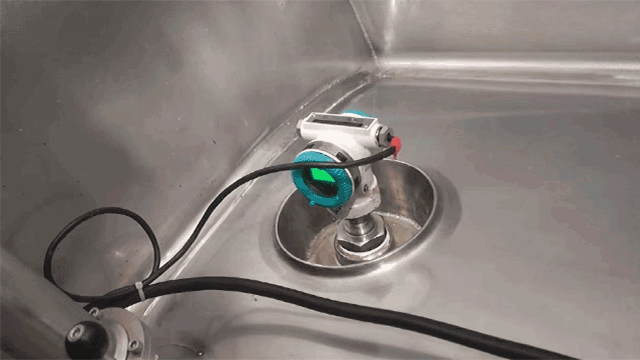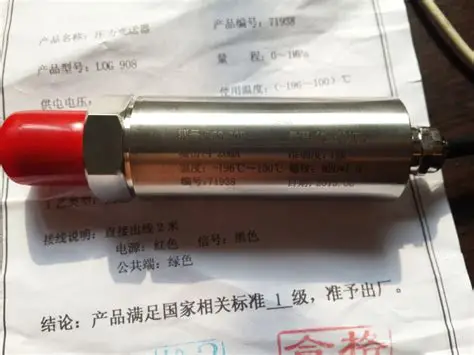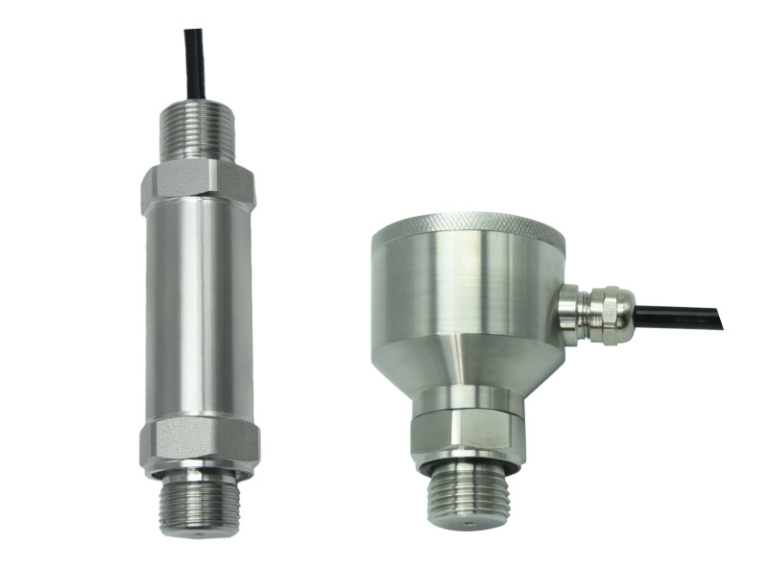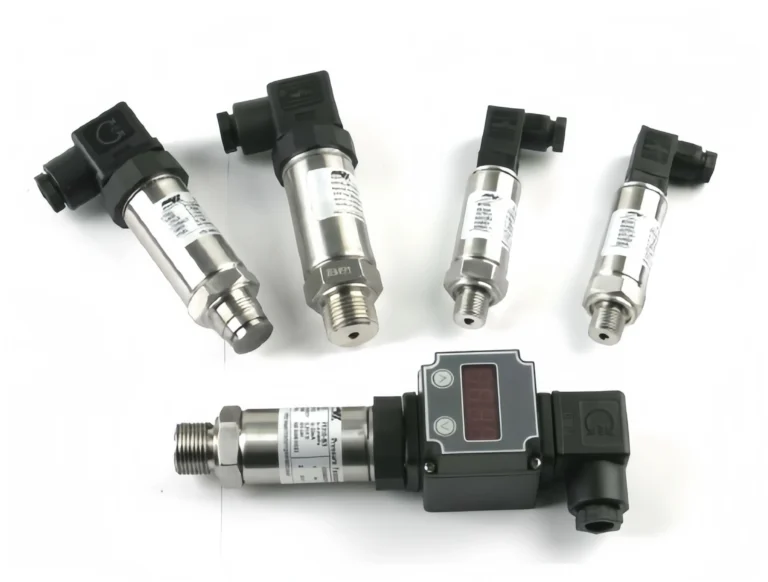
Pressure Transmitter Working Principle: 4 Types (2026)
How a pressure transmitter works — the 6-stage signal chain and the 4 sensing technologies (piezoresistive, ceramic, sapphire, MEMS) compared by accuracy, drift, temperature, and cost.
Differential pressure level measurement explained: hydrostatic principle, four install configs (open tank, closed tank dry/wet leg, bubbler), LRV/URV calculation, interface measurement, and how DP compares to radar and guided-wave for refinery, tank farm, and separator service.
Cold junction compensation explained: what it is, 5 methods, real error budget for Type K, and the 3 field failure modes nobody documents.
Learn how a differential pressure transmitter works — from ΔP sensing and three sensor technologies (capacitive, diffused silicon, resonant silicon) to static pressure effects and 3-valve manifold startup.
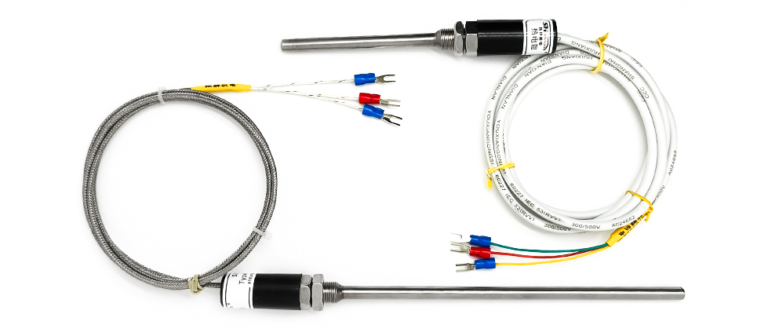
RTD vs thermocouple — compare accuracy, range, response speed, wiring, drift, and cost. Learn the 500°C rule engineers use to pick the right sensor.
You need to replace a thermocouple — or spec one for a new line — and the catalog shows eight letters. K, J, T, E, N, S, R, B. Each has a different alloy pair, a different temperature ceiling, and a different set of environments where it thrives or fails. Most thermocouple-type references list those…
HART isn’t a replacement for 4-20mA — it’s a digital layer on top of it. See when the HART 7 upgrade pays back, and when pure 4-20mA is still enough.
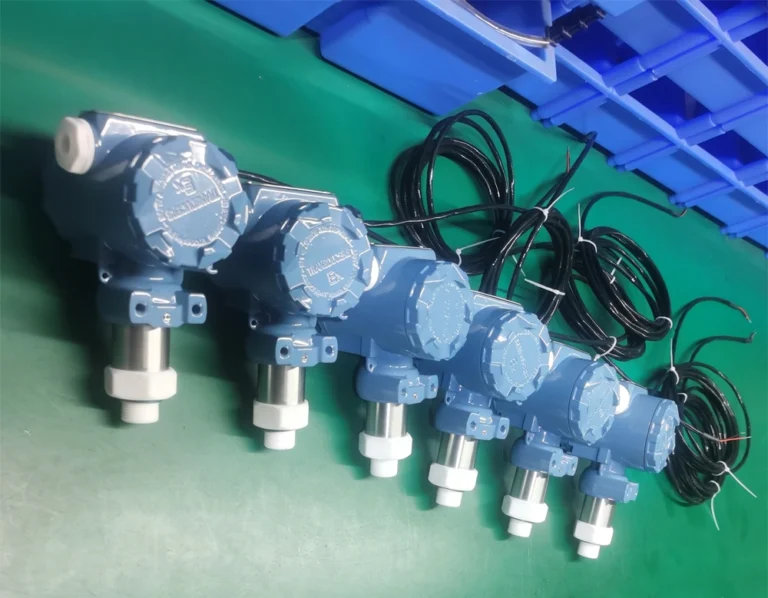
You’ve got a new 4-20mA pressure transmitter in hand and you need to wire it correctly the first time — without frying the board, starving the loop of voltage, or spending three hours debugging why the PLC reads zero. Here’s the short version before we get into the diagrams: in about 90% of industrial pressure-transmitter…
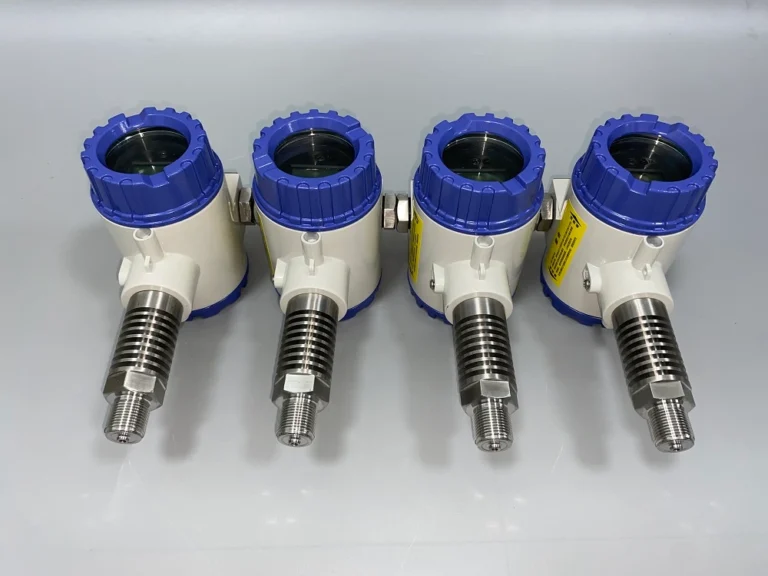
Absolute pressure vs gauge pressure explained by a 35-year refinery engineer — the 95/5 decision rule, the sealed-gauge trap, altitude drift for 5 US sites, and how to pick the right HMK transmitter.
Above 250°F there is no single chip technology that wins. This guide compares the 4 engineering methods that dominate high temperature pressure measurement — from heat-pipe stand-off (HM80, +662°F) through ceramic and sapphire elements, dynamic combustion sensing, and HMK water-cooled custom builds rated to +2192°F (+1200°C).
Stop confusing pressure sensor, transducer, and transmitter. Use our 3-axis framework — distance, frequency, power — plus 3 real project cases from Europe, Singapore and the US to choose the right one in 30 seconds.
Two-stage framework for industrial temperature sensors: pick the sensing element first, then the assembly.