Pressure Transmitter Symbol on P&ID: PT, PIT, PDT Guide
Decode pressure transmitter symbols on a P&ID. PT, PIT, PDT explained with ISA-5.1-2024 updates, bubble conventions, tag number anatomy, and signal line types.
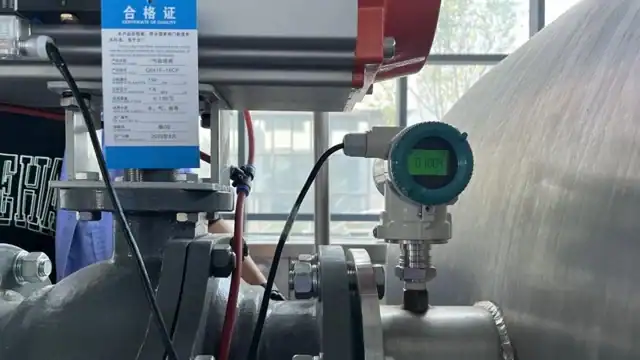
Decode pressure transmitter symbols on a P&ID. PT, PIT, PDT explained with ISA-5.1-2024 updates, bubble conventions, tag number anatomy, and signal line types.
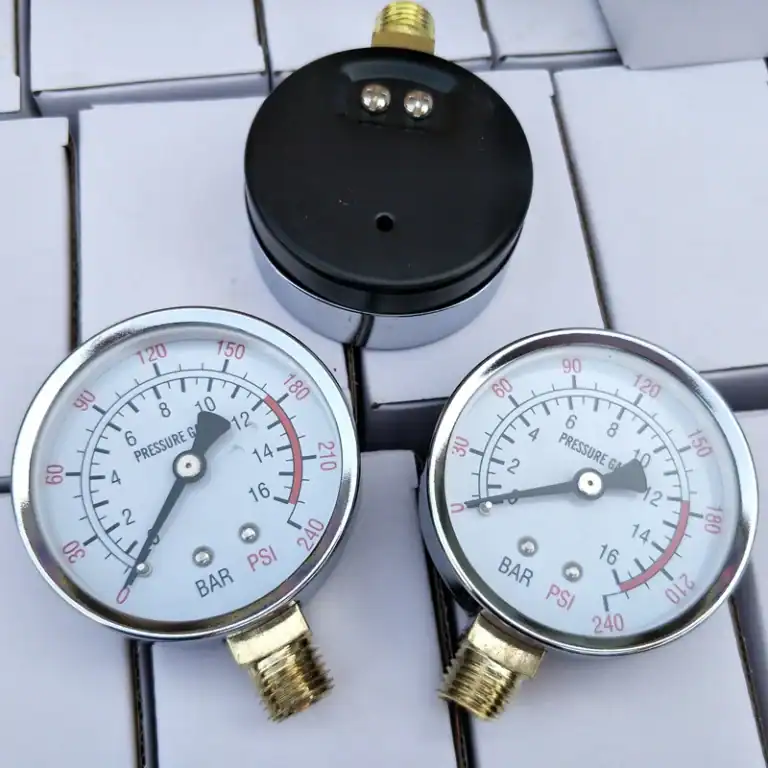
ASME B40.100, EN 837-1, and GB/T 1226-2017 accuracy class ladder explained: 9 grades, the 4:1 calibration rule, and a 5-factor decision matrix for industrial selection.
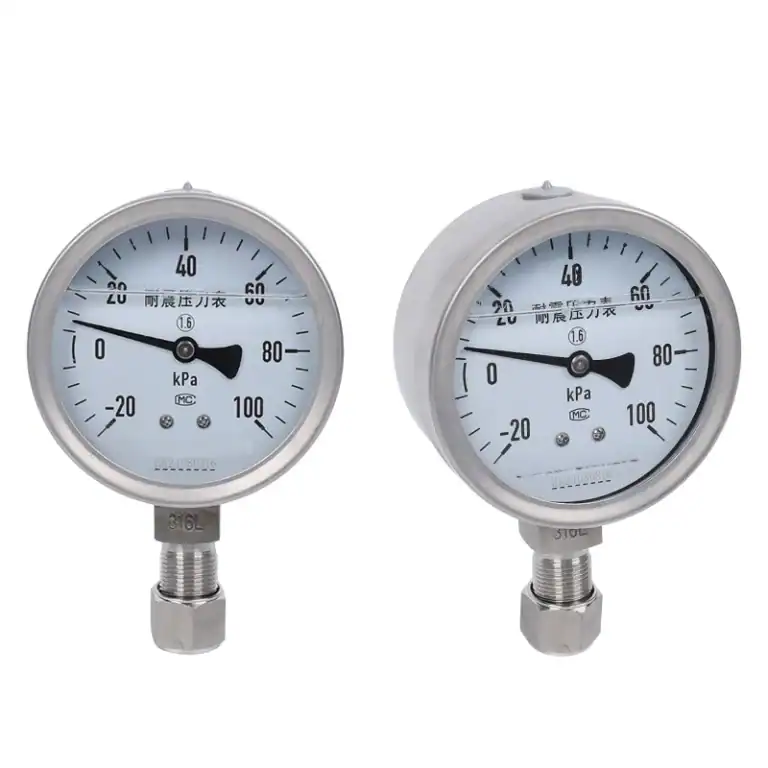
Negative pressure gauges in HVAC, cleanrooms, hospital isolation rooms, refrigeration, boiler draft, and automotive. Typical readings + instrument selection.
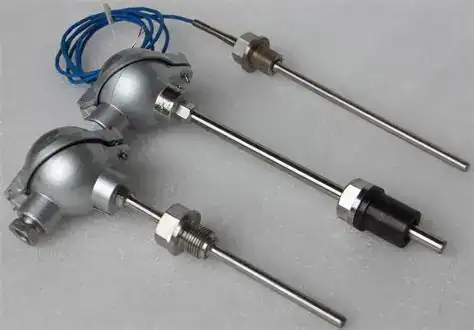
Temperature element vs transmitter: when do you need each? A 40-year process engineer maps the 5 conditions that decide whether bare RTD or TC works.
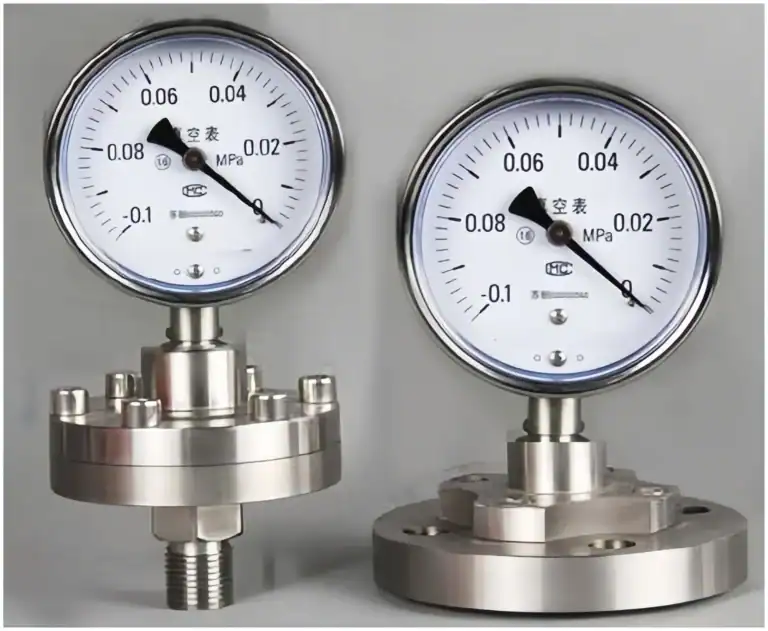
Yes, gauge pressure can be negative. A process engineer explains when sub-atmospheric readings are normal, the unit conversion, and instrument selection.
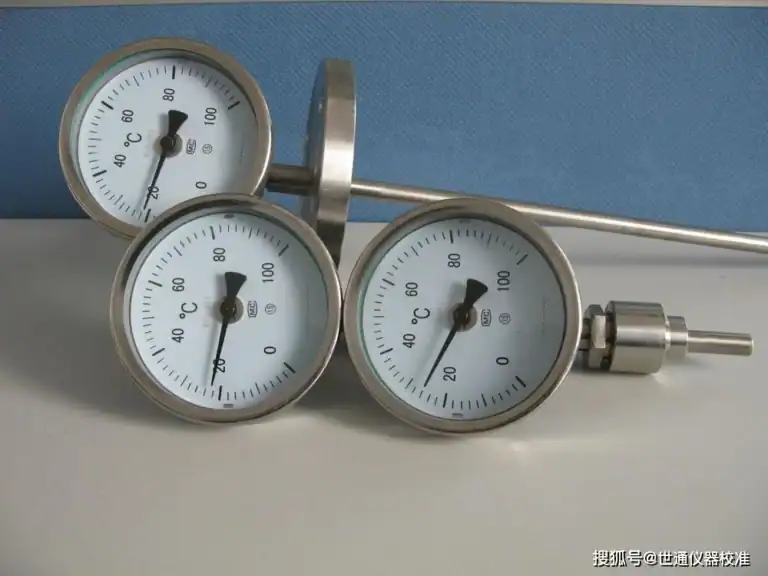
Temperature gauge definition, working principle, 5 types (bimetallic, filled-system, RTD, thermocouple, digital), accuracy classes & selection guide.
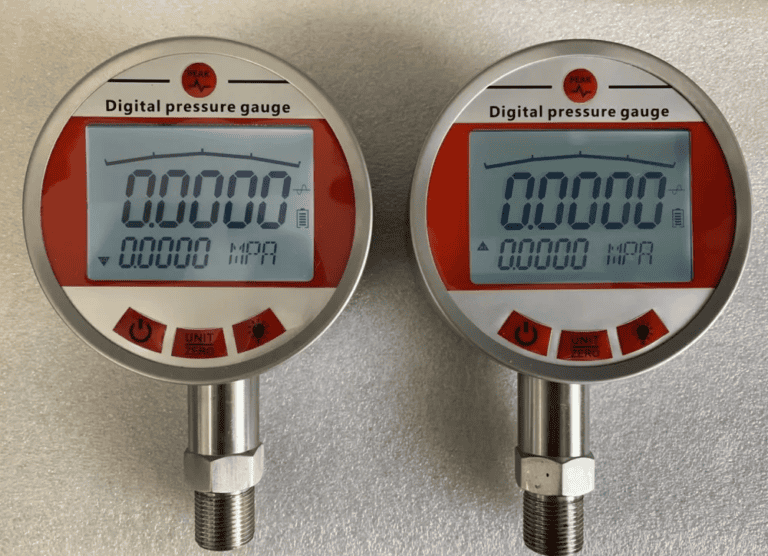
Supply pressure gauge spec guide: psi ranges for pneumatic, hydraulic, instrument air & CDL airbrake; P&ID symbol; transmitter upgrade triggers.
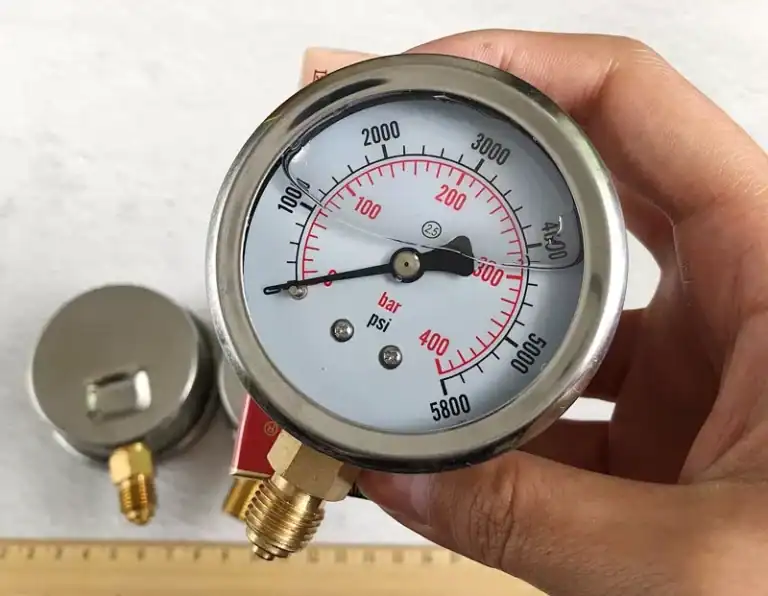
Industrial troubleshooting guide for a fluctuating oil pressure gauge. 5-minute decision tree, 5 causes, mechanical cross-check, tools, R/Y/G operations table.
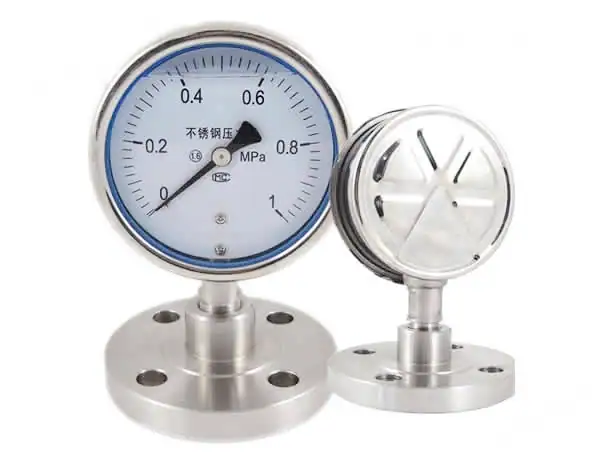
How a Bourdon tube manometer works, the C / spiral / helical types, accuracy class, and the 5 field limits that kill it.
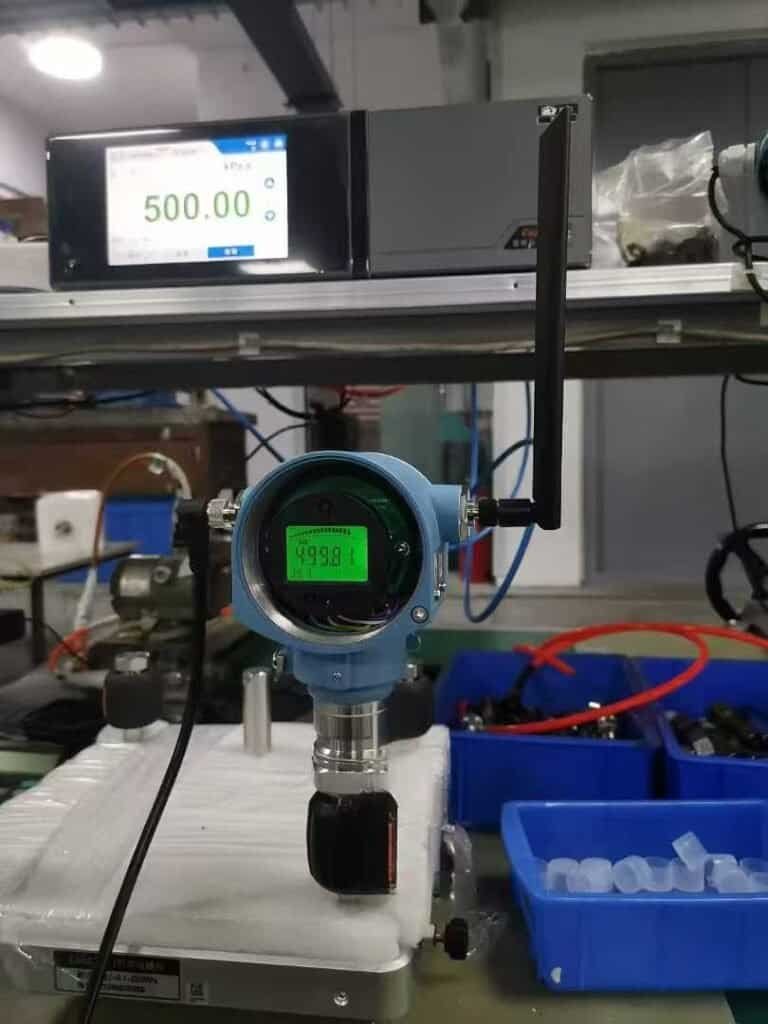
Pick the right pressure transducer for hydraulic, HVAC, oil & gas, chemical, food, pharma, water, and lab service. Decision matrix + accessory + mistakes.
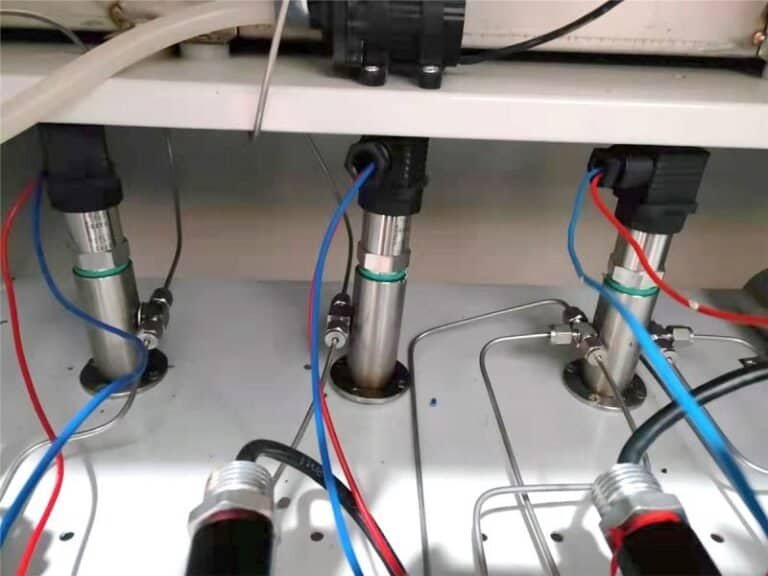
How temperature shifts a pressure sensor reading, the passive and active circuits that correct it, and how to read the +/- %FS/C compensation spec on a datasheet.
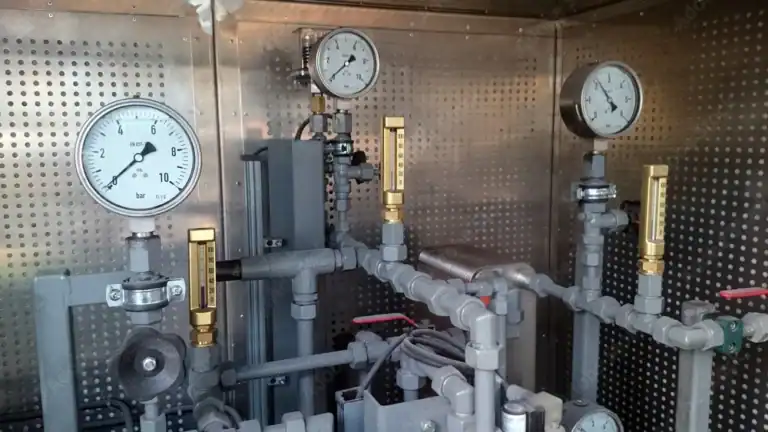
A field guide to the 12 parts inside a mechanical pressure gauge: what each component does, what materials they are made of, and which parts wear out first.
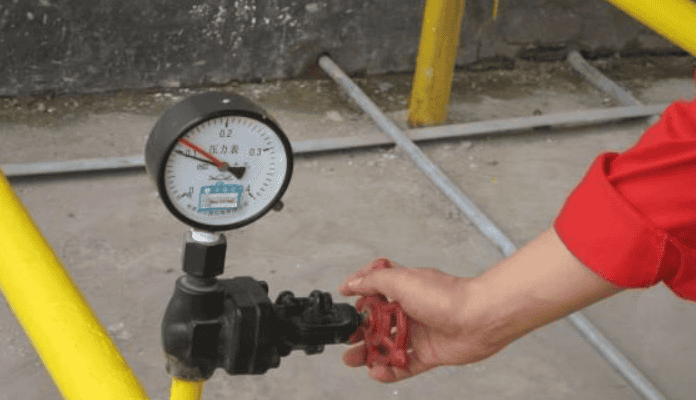
Industrial selection guide for electric oil pressure gauges. Compares mechanical Bourdon, sender-driven 240-33 ohm dash gauges, and digital LCD instruments like the HM40 across spec, wiring, and accuracy class.
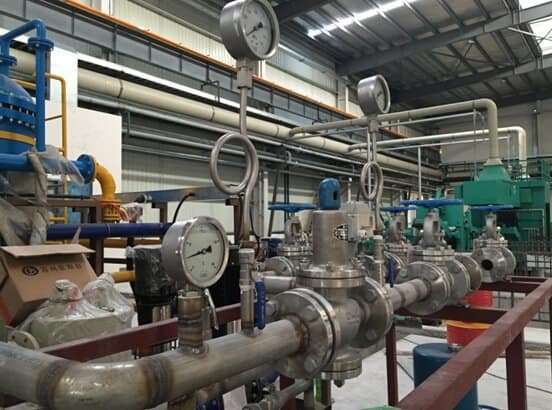
Step-by-step guide to reading industrial pressure gauges: units, scale math, dual-scale traps, accuracy class, and when to upgrade to digital.
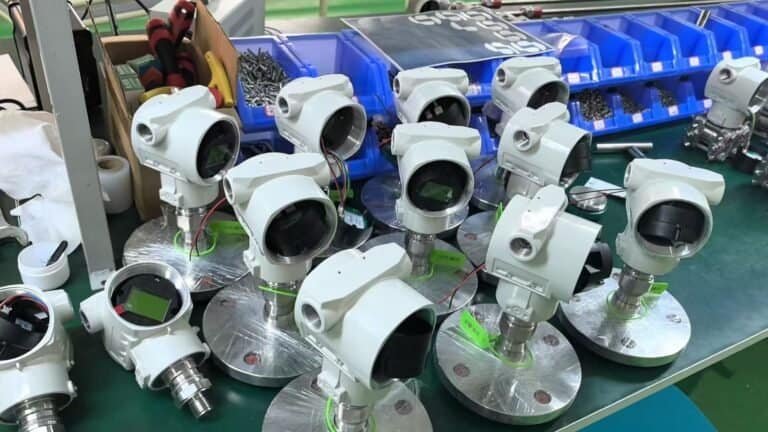
Pressure transmitter types is four axes: reference, sensing, output, certification. 12 worked examples and a 6-step selection workflow.
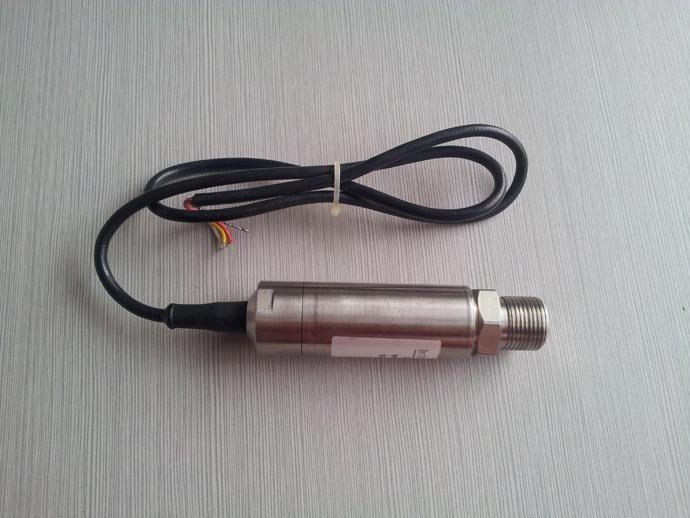
NPT (60° tapered, ASME B1.20.1) and G/BSPP (55° parallel, ISO 228-1) are not interchangeable. Standards reference, size equivalence, and 3-step thread ID.

Decode the pressure switch symbol on any drawing — NEMA / IEC electrical schematics, ISA-5.1 P&ID (PSH, PSL, PDS), and ISO 1219 pneumatic blocks.
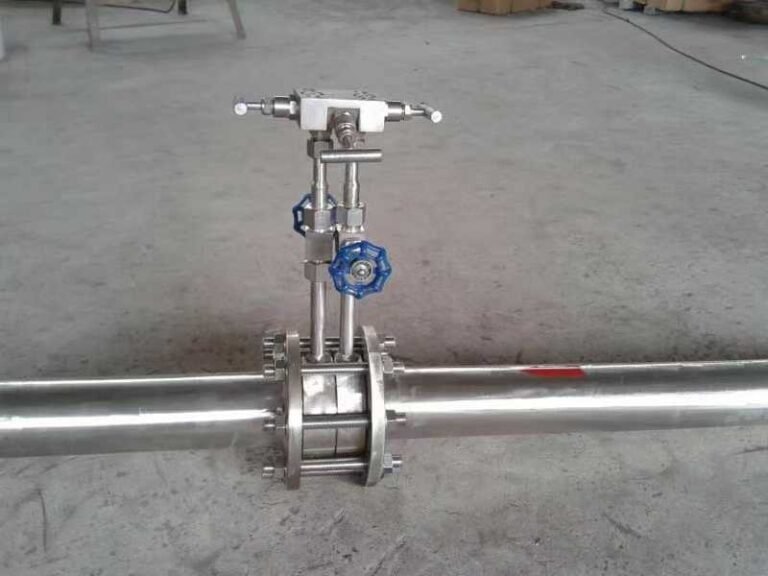
DP flow measurement uses Bernoulli physics: a primary element drops pressure, a DP transmitter reads it, math gives flow. Pick and install correctly.

A vacuum gauge can show three numbers for the same pressure, depending on its reference. Read it correctly, pick the right sensor, avoid the sealed-gauge trap.
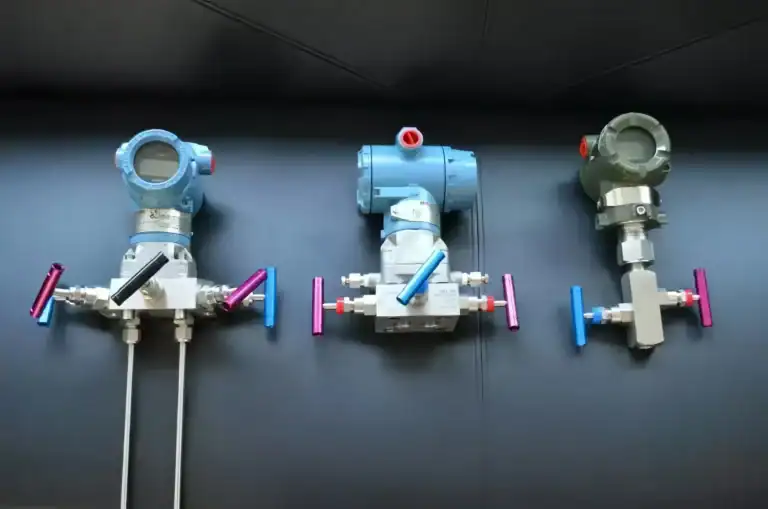
Spec the right valve manifold for your DP transmitter. 2/3/5-valve comparison, decision tree, JJG calibration tie-in, and HMK by-model picks.