Pressure Transmitter Turndown Ratio: What It Costs Your Accuracy
Pressure transmitter turndown ratio explained: how it’s calculated, why re-ranging hurts accuracy, the % of span vs % of URL trap, and how to size the range.
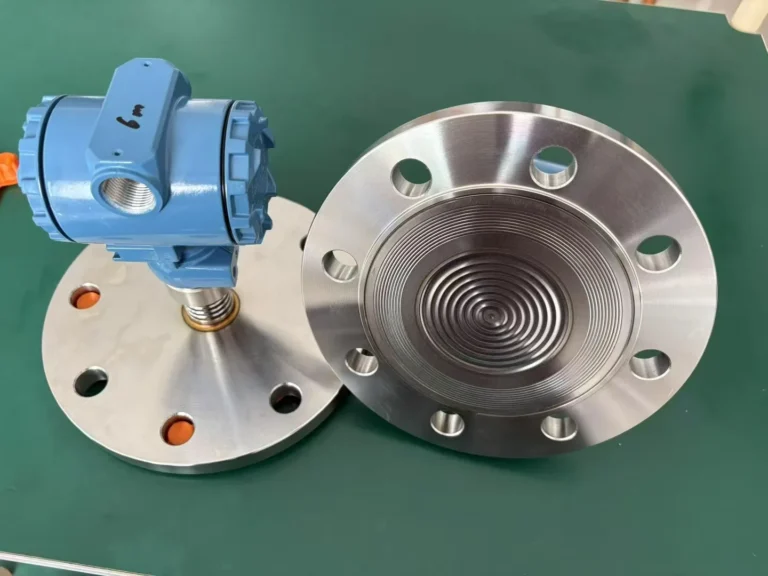
Pressure transmitter turndown ratio explained: how it’s calculated, why re-ranging hurts accuracy, the % of span vs % of URL trap, and how to size the range.
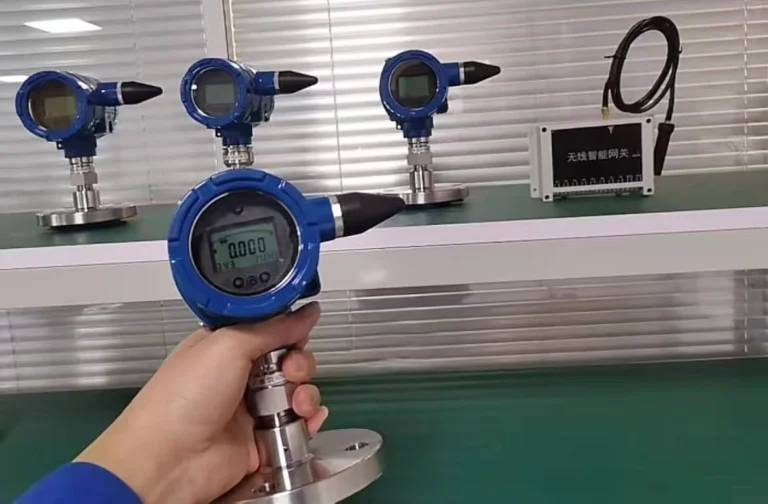
How to choose a wireless pressure transmitter: when wireless beats cable, the protocol decision (WirelessHART vs LoRa vs Bluetooth vs cellular), battery life, and SCADA integration.
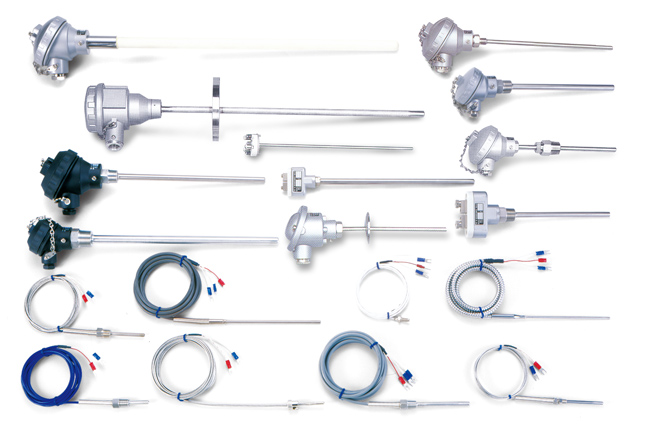
Thermowell types explained: how to choose connection, stem, material, and insertion length, with the ASME PTC 19.3 wake-frequency check.
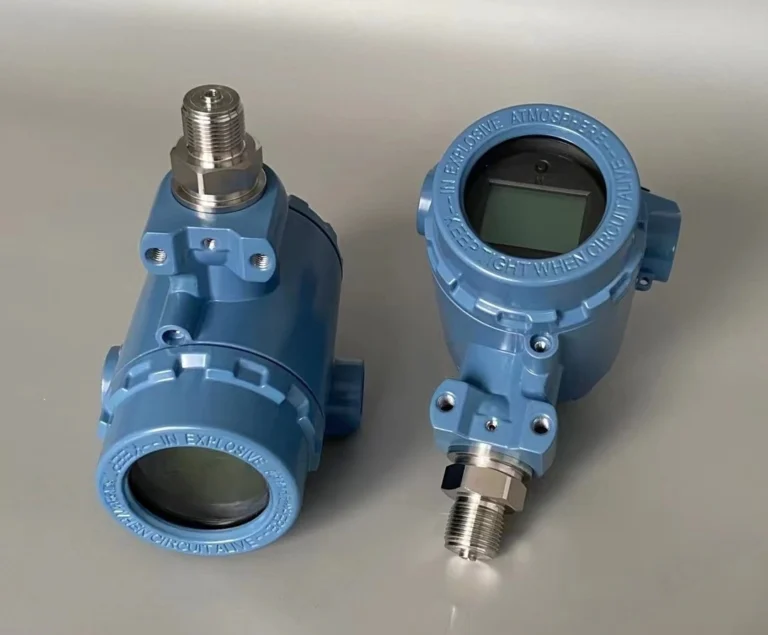
How to choose a hazardous location pressure transmitter: IEC Zones, NEC Class/Division, Ex d vs Ex i vs non-incendive, T-codes, and where the HM60 fits.
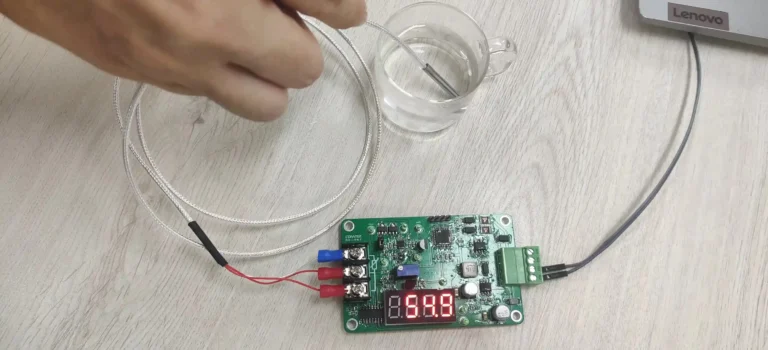
Pt100 vs Pt1000: same curve, same IEC 60751 accuracy class. What really decides it is lead-wire error, self-heating, and your existing instrument input.
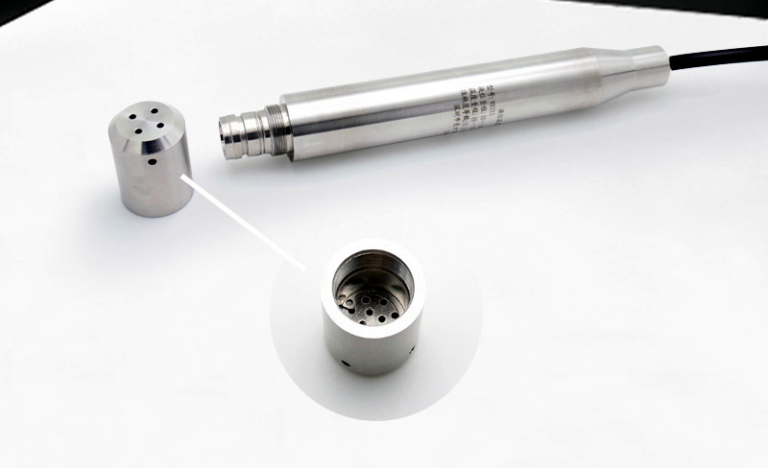
How to pick a well water level sensor: submersible pressure vs ultrasonic, sizing the range, and installing it for dry-run pump protection.
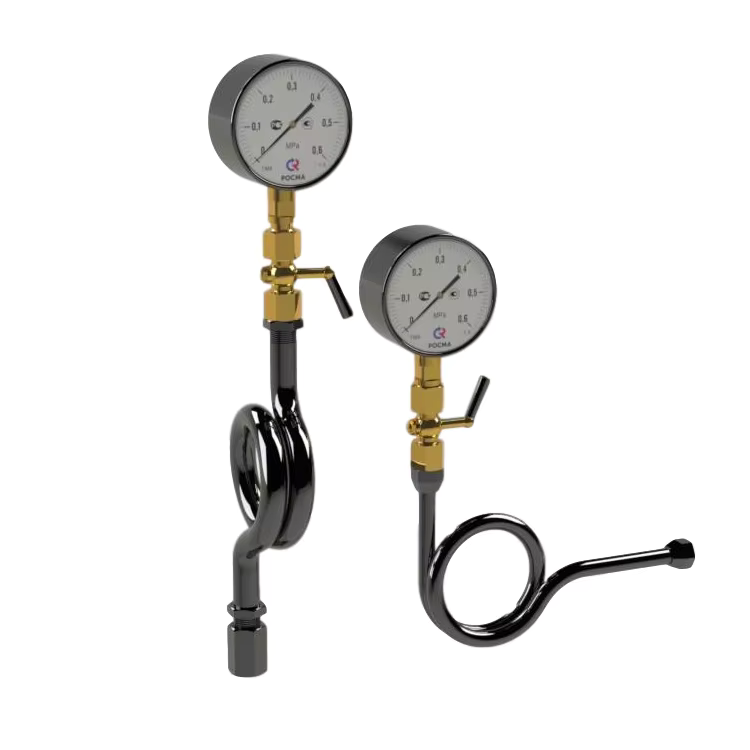
How to choose between a pigtail siphon and a condensate pot for steam pressure transmitters, plus sizing, material selection, install practice, and HMK transmitter pairings.
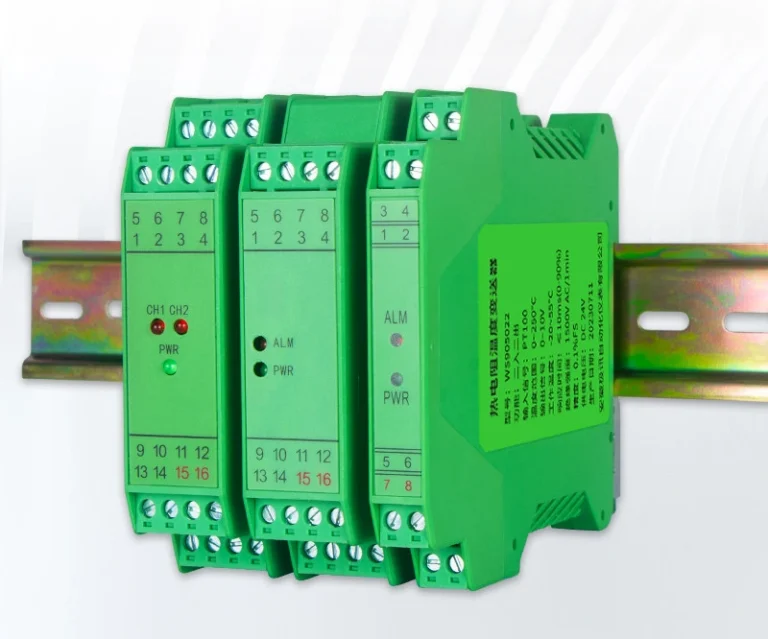
Seven decision lines, calibration chain math, wiring cost ratios and HMK product mapping for picking head-mount vs DIN rail temperature transmitters.
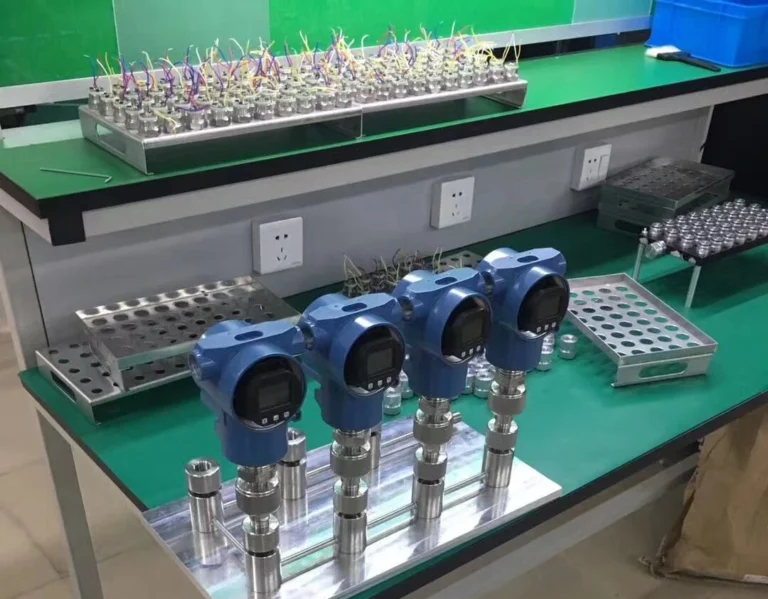
Reading precision on a pressure sensor spec sheet: the 0.1 % FS line, BFSL vs TEB, the accuracy ladder, calibration cadence, and the three HMK products that meet a real precision specification.
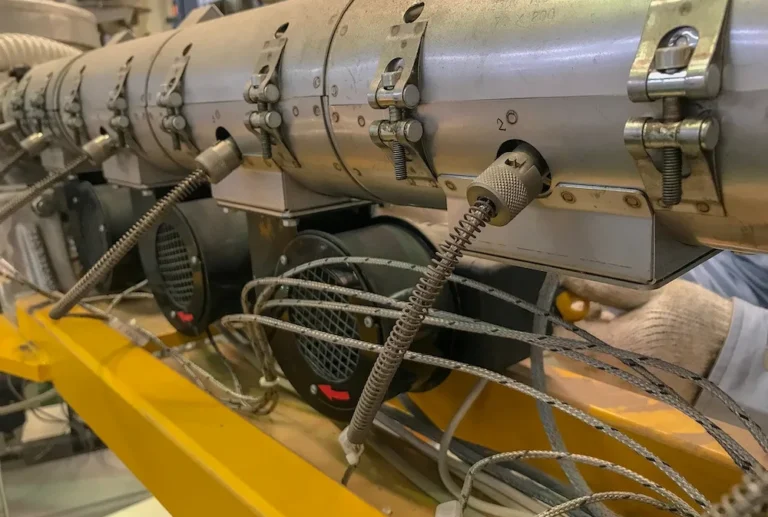
A six-step field procedure for the ASME PTC 19.3 TW-2016 thermowell wake frequency calculation, with an inline first-pass calculator, a 540 °C steam-line worked example, the GB/T 30121-2013 equivalent, and three field fixes when the calculation fails.
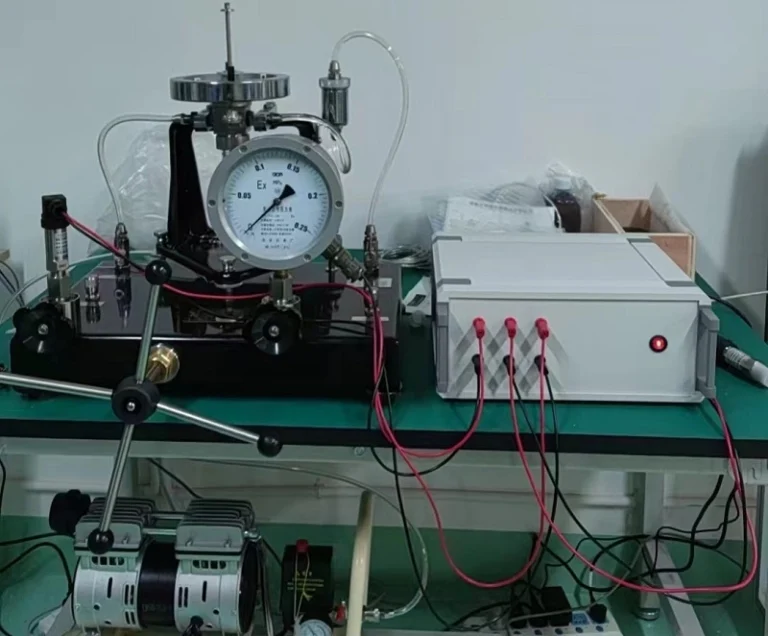
A six-step field procedure for measuring vacuum pressure across HVAC, process, and lab applications — gauge selection, system-port installation, decay-test diagnostics, and HE27 sensor specs.
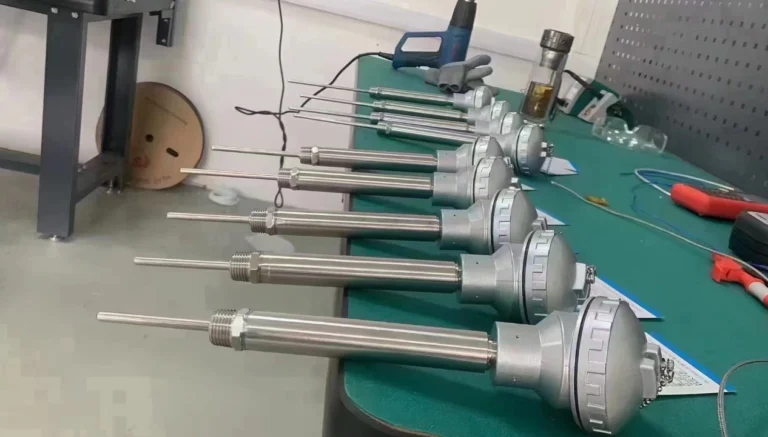
Type J thermocouple — iron-constantan, -40 to 750°C, ideal for reducing atmospheres. Wire color codes, IEC 60584 accuracy, vs Type K & Type N selection.
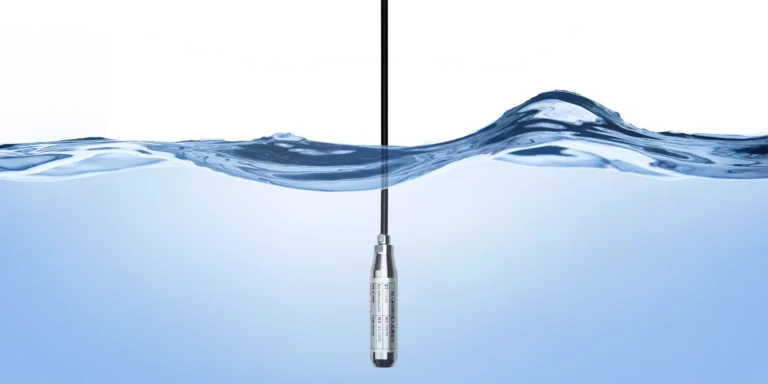
Hydrostatic level measurement uses P=ρgh to read tank level. Learn the physics once, then jump to the right deep-dive — submersible probe or DP transmitter — for your tank.
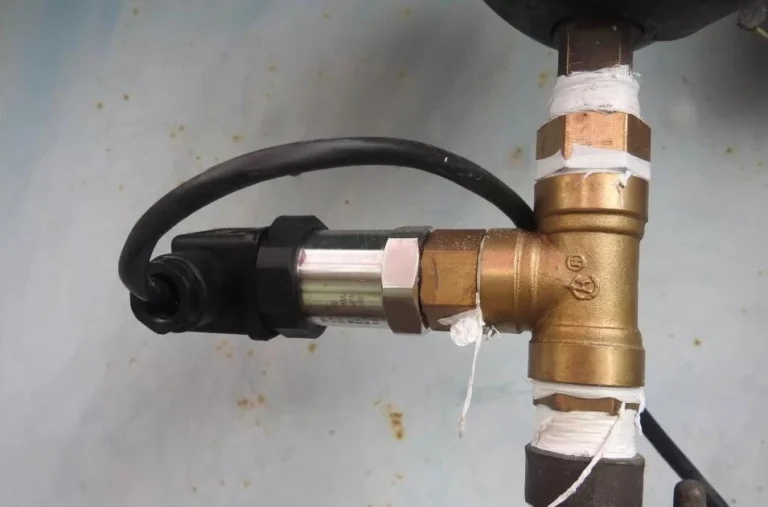
PSI pressure unit definition for engineers — pounds per square inch, conversions, and transmitter selection.
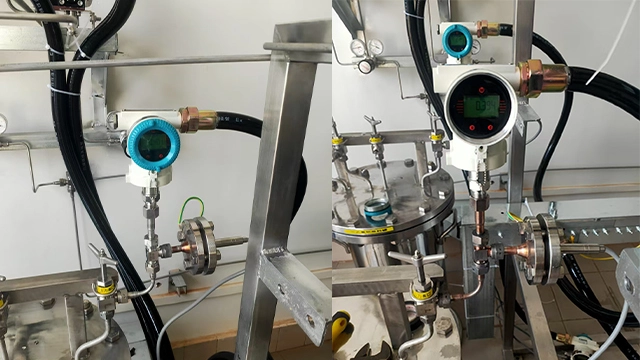
P_abs = P_gauge + P_atm explained for engineers. Three worked examples, altitude correction, unit traps, plus HM27/HE27/HPTM189 selection.
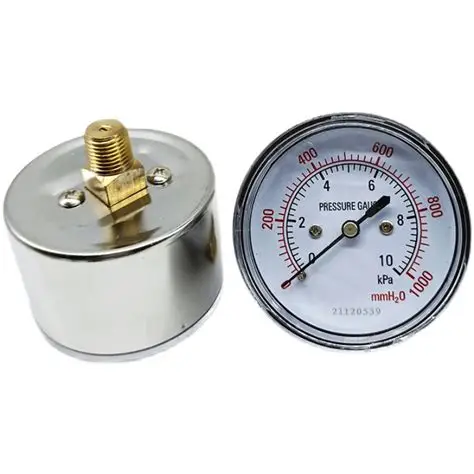
Inches of water column (inWC) explained — PSI/Pa conversion table, furnace gas pressure specs, HVAC duct static range, and DP transmitter selection.
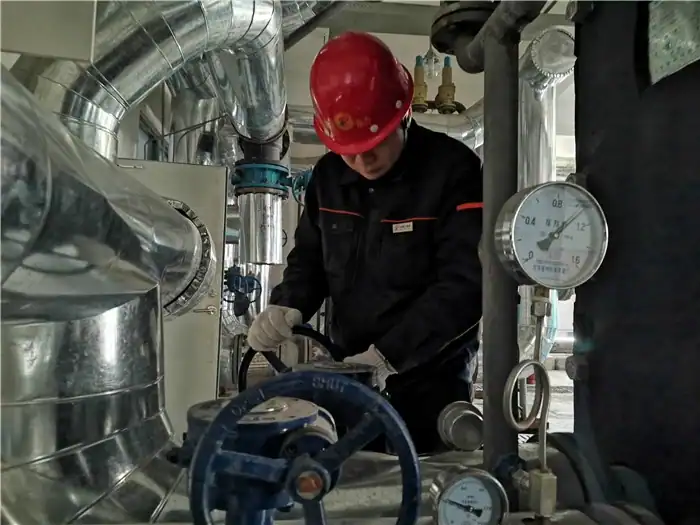
Field procedure to measure total external static pressure (TESP) in HVAC: 6 steps, probe placement, NEBB acceptable ranges, manometer vs DP transmitter device picks.
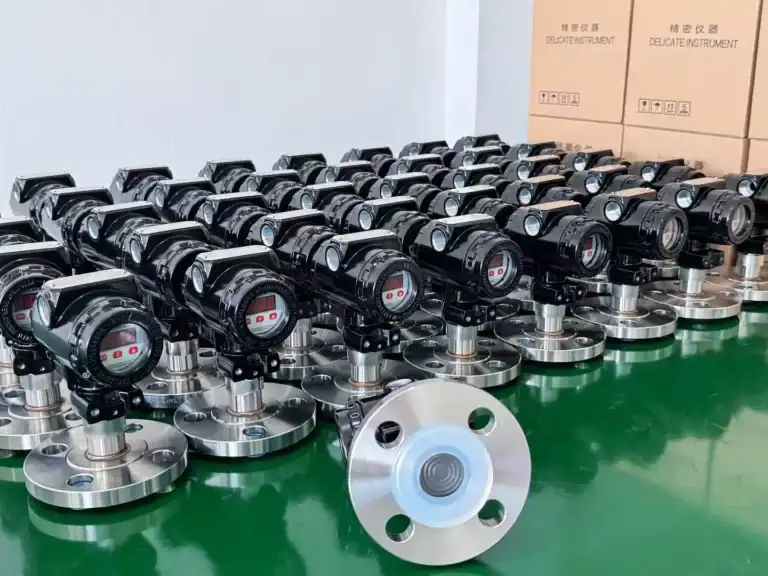
P_gauge = P_abs – P_atm explained for instrumentation engineers. Three industrial worked examples (tank, refinery, HVAC), altitude correction, unit conversions, and HMK transmitter selection.
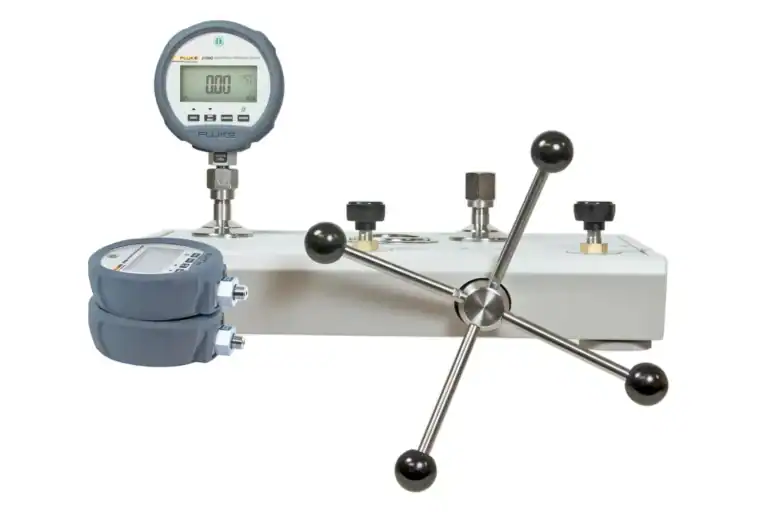
Decode PSI, PSIA, PSIG, PSID and PSIS on pressure transmitter spec sheets, with conversion formulas, altitude correction table, and HMK / WIKA / Rosemount SKU patterns.
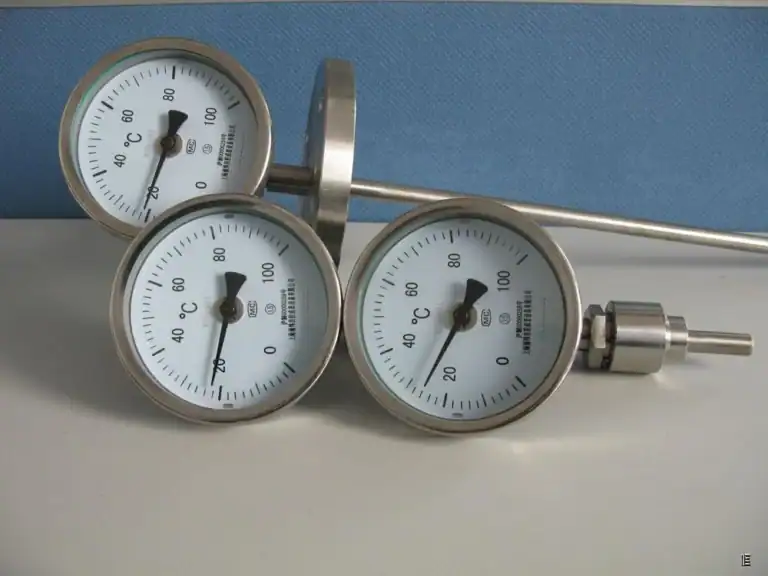
How bimetallic, filled-system, and gas-actuated dial temperature gauges work. Mechanism diagrams, accuracy class, temperature range, and a 3-way selection table.