Type R vs S vs B Thermocouple: Noble-Metal Selection
Compare Type R, S and B platinum-rhodium thermocouples on temperature, accuracy, output, contamination and ceramic protection, with a service-by-service selection table.
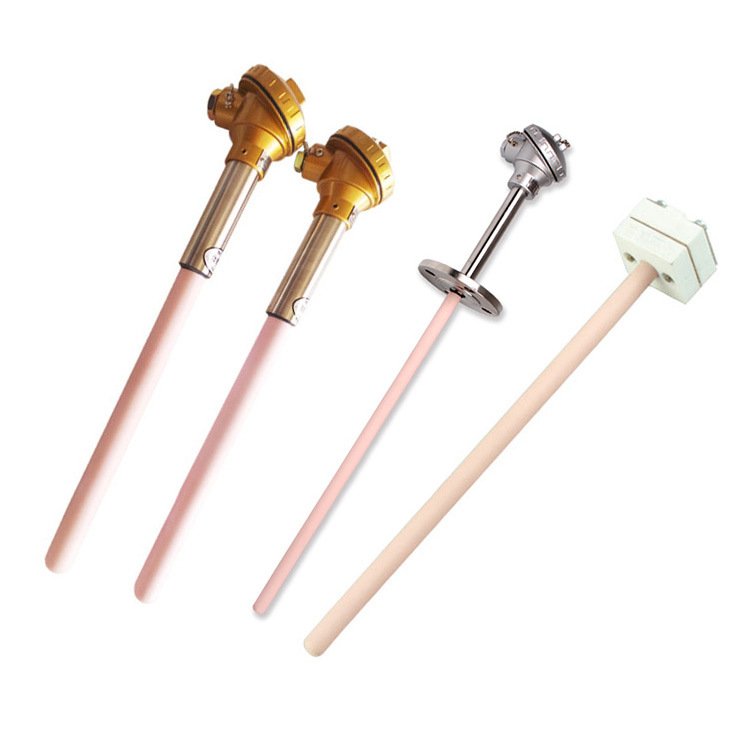
Compare Type R, S and B platinum-rhodium thermocouples on temperature, accuracy, output, contamination and ceramic protection, with a service-by-service selection table.
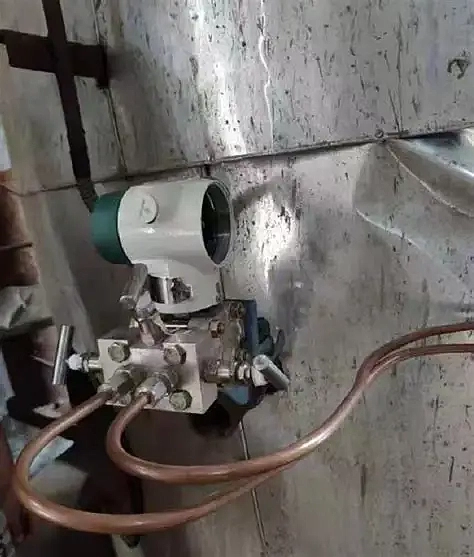
How to route impulse lines for pressure and DP transmitters: slope, tube size, material, freeze and plugging. Field rules that keep readings honest.
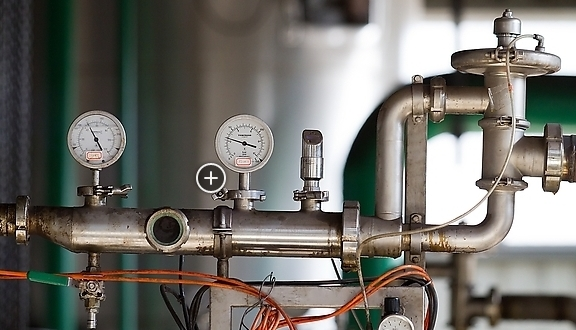
How an electronic pressure switch works, when a mechanical switch still wins, and how to set the setpoint and deadband without relay chatter.
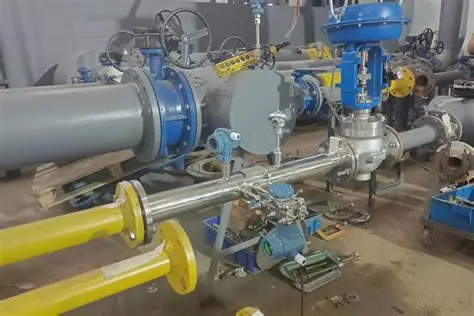
A differential pressure transmitter is still the flow meter you will find on more lines than any other, and not because it is the most accurate. It is cheap, it is hard to kill, and it works on almost any clean fluid. The catch is that the transmitter does not measure flow at all. A…
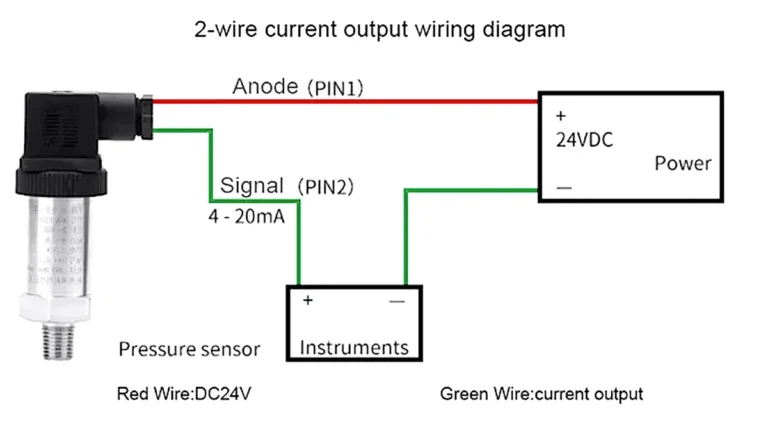
How a 4-20 mA current loop works: why it uses current not voltage, live zero and NAMUR NE43, loop-powered two-wire wiring, supply sizing, and mA-to-units conversion.
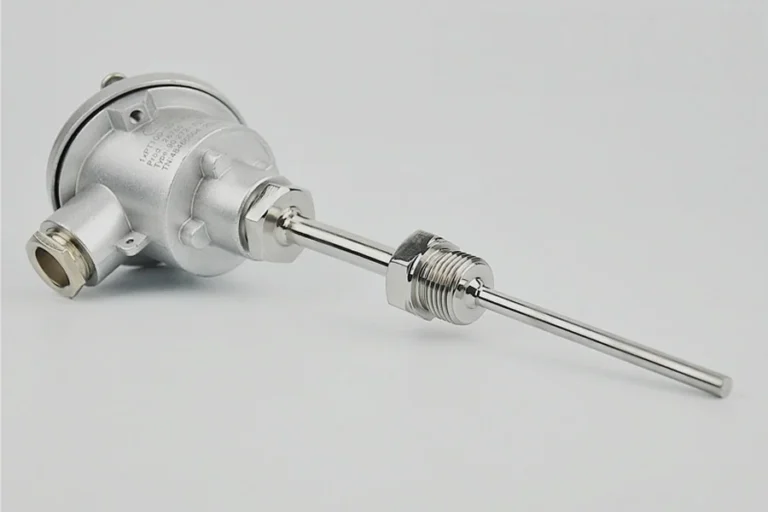
Type E thermocouple range, IEC and ASTM accuracy, and why its 68 microvolt per degree C output and non-magnetic legs suit cryogenic and high-sensitivity work.
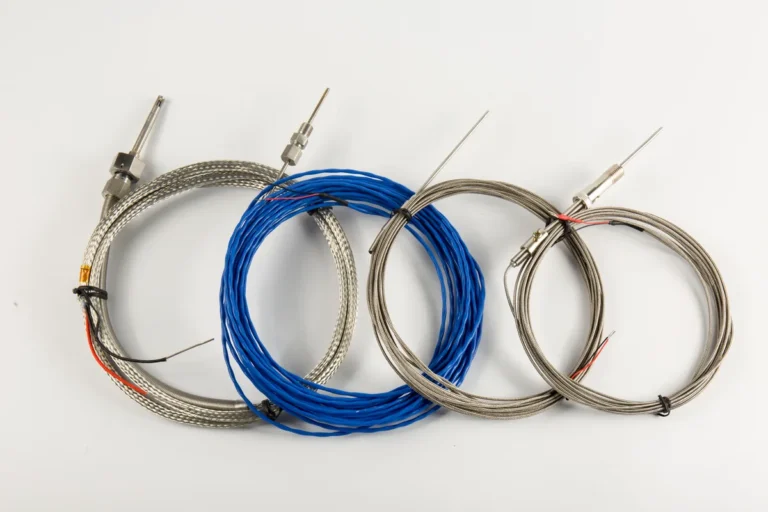
Type K thermocouple range, IEC and ASTM tolerance classes with worked errors, green rot and K-state drift, and when to switch to Type N or Type J.
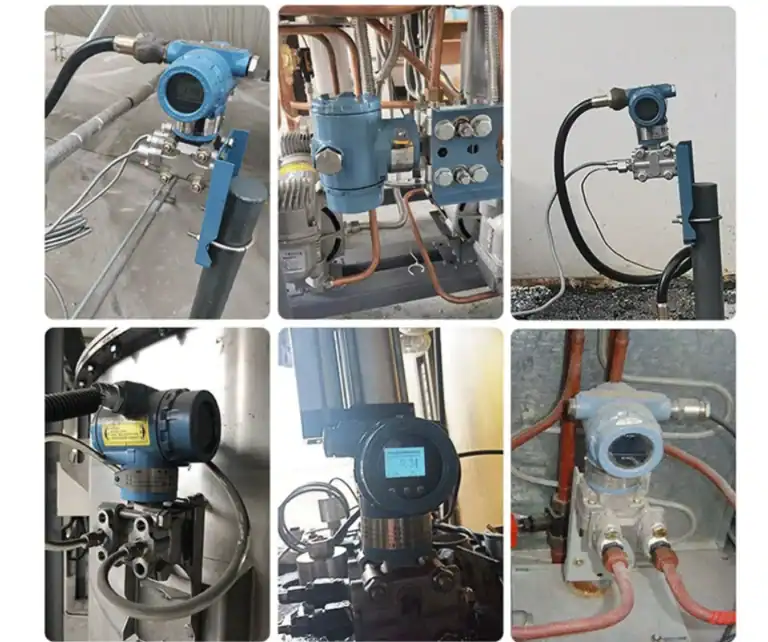
A clogging filter shows up as rising differential pressure long before the downstream flow falls off. Measuring that pressure is the easy part. The hard part is choosing the change-out number, then picking a transmitter whose range resolves a nearly clean filter yet still covers a plugged one. A filter trip can be handled by…
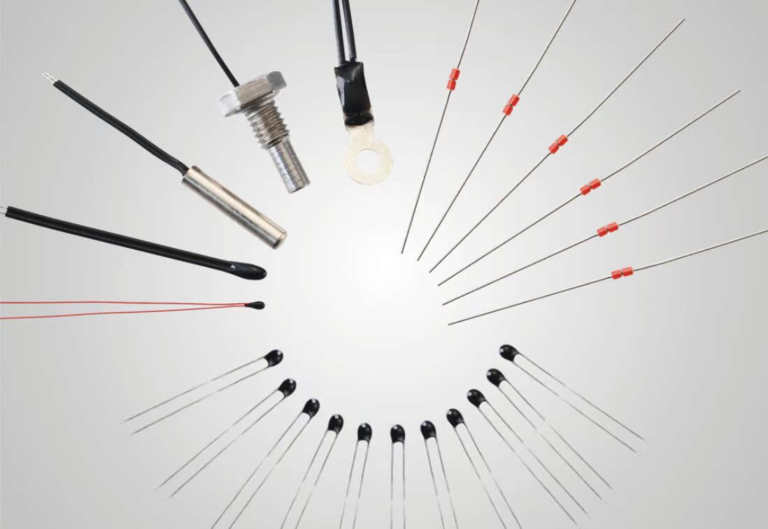
RTD vs thermistor compared for industrial use: accuracy, range, interchangeability, self-heating, and transmitter pairing, with a clear selection rule.
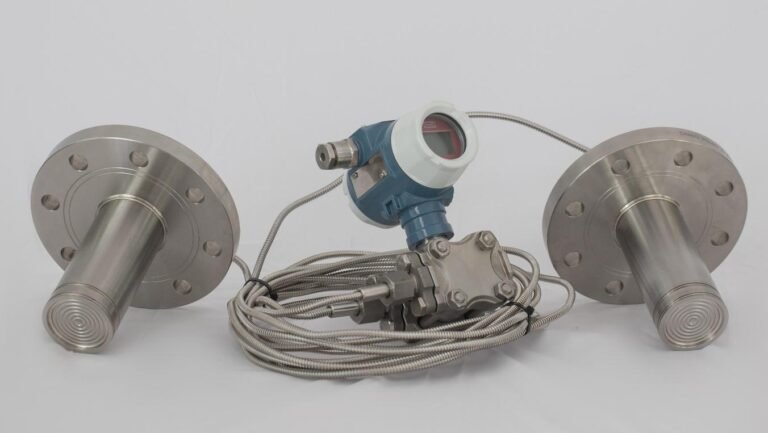
A standard differential pressure transmitter sits at the same temperature as its electronics, and that ceiling is low. On the capacitive HM3051 cell the amplifier is rated only to +93 °C. The silicone-filled measuring element reaches +104 °C. Suppose your process is superheated steam at 250 °C, hot circulating oil at 280 °C, or a column bottom above 300 °C….
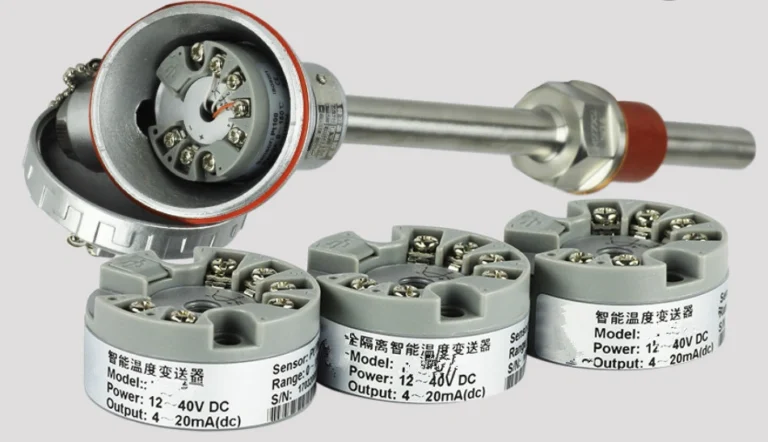
Temperature transmitter calibration for RTD and TC inputs: tools, two-point trim, 5-point check, the 4:1 TUR rule, and the lead-wire and cold-junction traps.
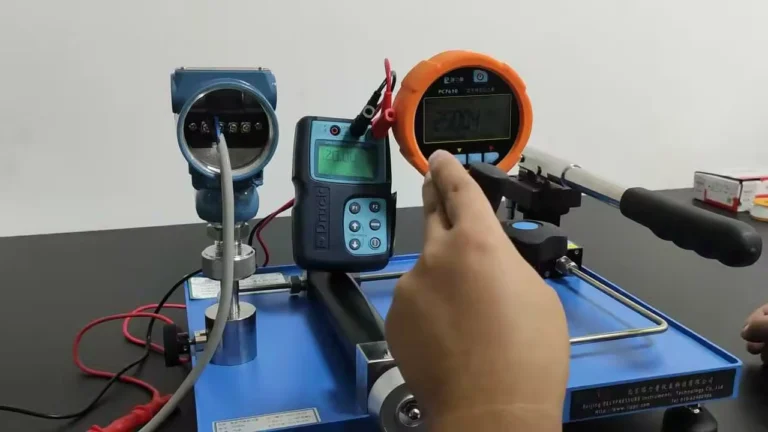
Pressure transducer troubleshooting by symptom: no output, stuck at 4 mA, pegged at 20 mA, drift and noise — plus loop checks and when to replace.
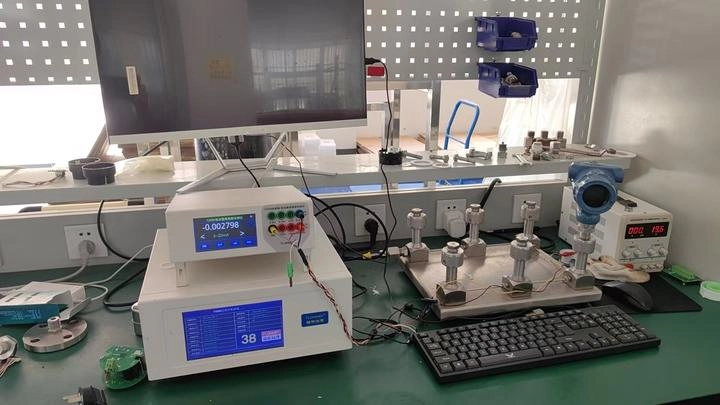
Step-by-step pressure transmitter calibration: the 5-point method, what each point should read in mA, pass/fail scoring, and why re-ranging isn’t calibration.
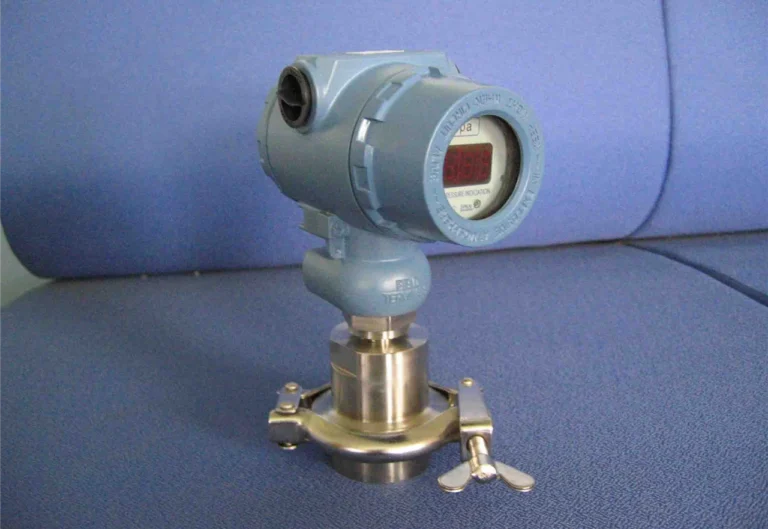
A working engineer’s guide to choosing a sanitary pressure transmitter: process connections, surface finish, the 3-A/EHEDG/ASME-BPE standards, and the CIP/SIP temperature limit that catches people out.
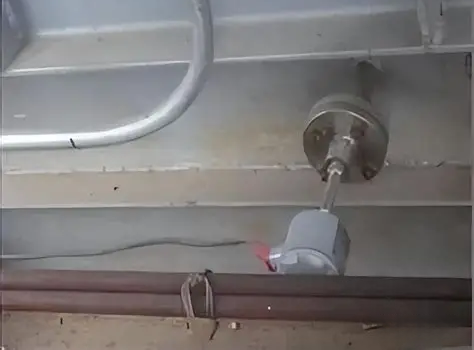
Calculate thermowell insertion length (U) in four steps: three minimum rules, two worked examples, and a quick-reference table by pipe size from DN15 to DN600.
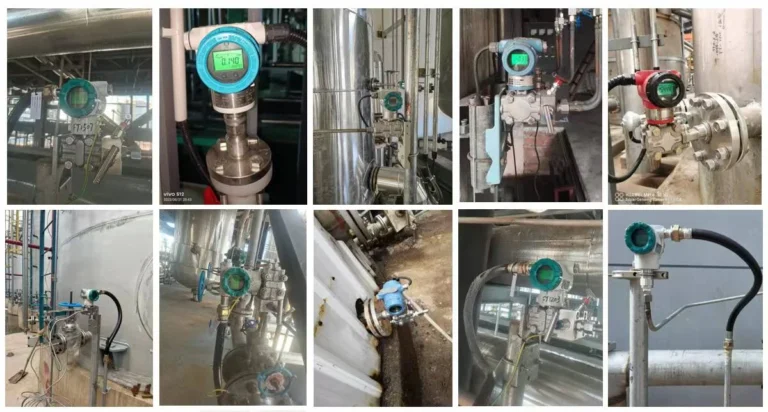
Pressure transmitter output signals compared: 4-20mA vs 0-10V vs 1-5V vs RS485 – wiring, cable distance, fault detection, and how to choose.
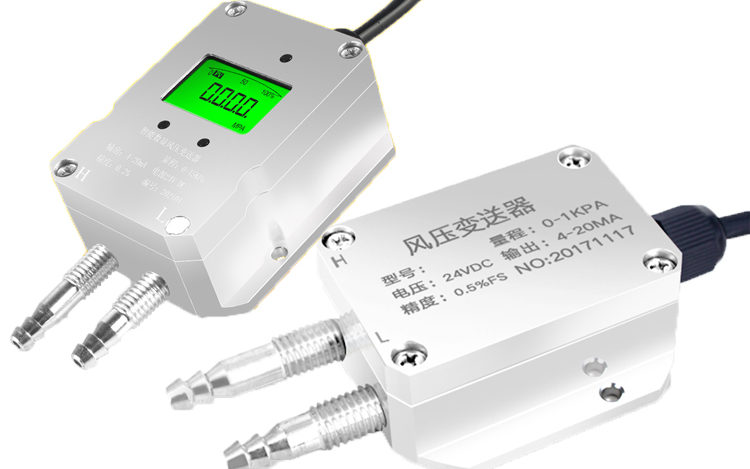
Choosing an HVAC differential pressure transmitter: match range in Pa/inWC, pick a switch vs transmitter, and the right 4-20 mA output for your BAS.
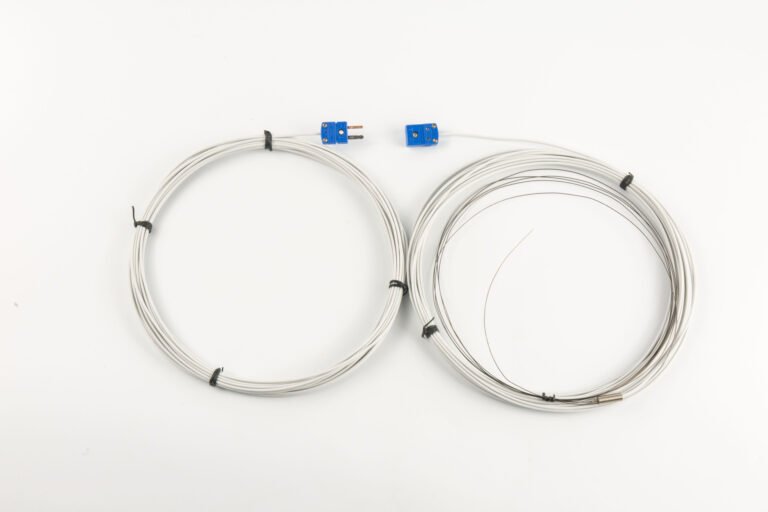
Type T thermocouple specs: -200 to 350 °C, ±0.5 °C special tolerance, copper-constantan. Why it wins below 0 °C, color codes, and HMK WRCK selection.
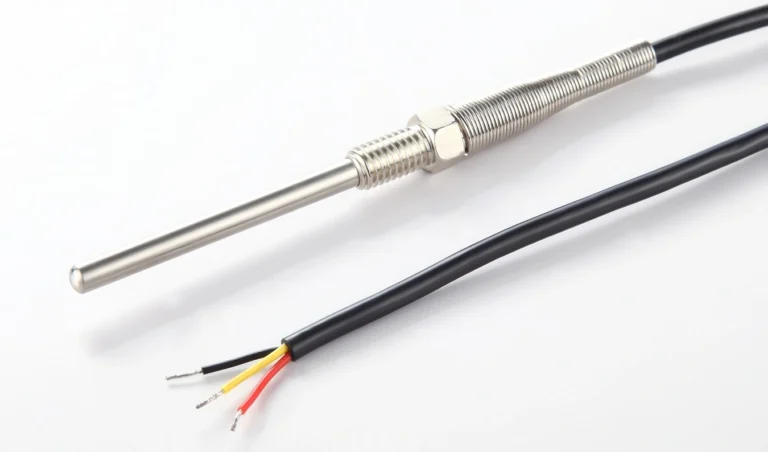
Pt100 temperature range at a glance (IEC 60751:2022) A Pt100 element is defined over −200 to +850 °C (−328 to +1562 °F) — the span over which the standard fixes the resistance curve. No tolerance class is validated to +850 °C: the practical class-guaranteed ceiling is +600 °C (wire-wound Class B/C). Use the per-class validity range, not the full…
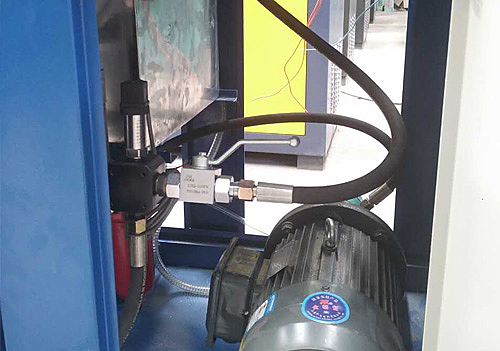
How to choose a hydraulic pressure transducer that survives pressure spikes and cyclic fatigue: sensing tech, overpressure sizing, and field testing.