Pressure Transmitters for Corrosive Chemicals
Wetted-material breakpoints by acid, concentration and temperature, the honest limits of ceramic and tantalum, and when a diaphragm seal makes sense.
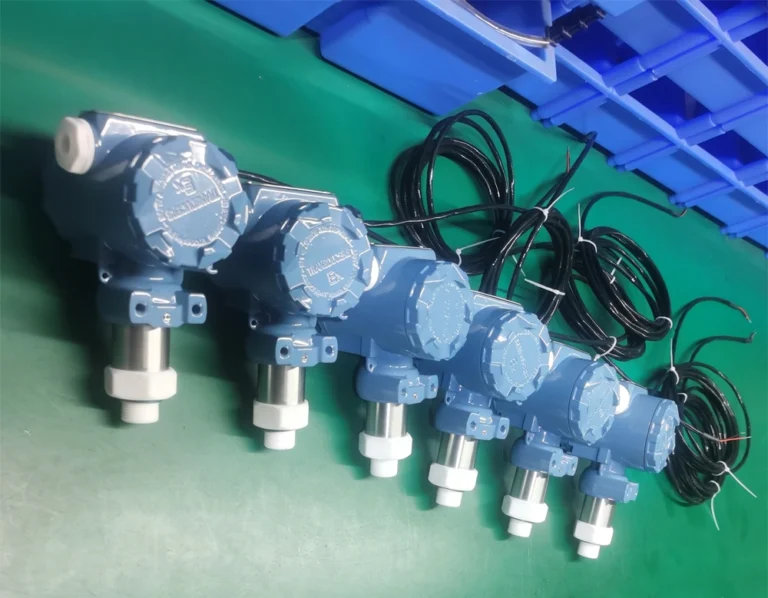
Wetted-material breakpoints by acid, concentration and temperature, the honest limits of ceramic and tantalum, and when a diaphragm seal makes sense.
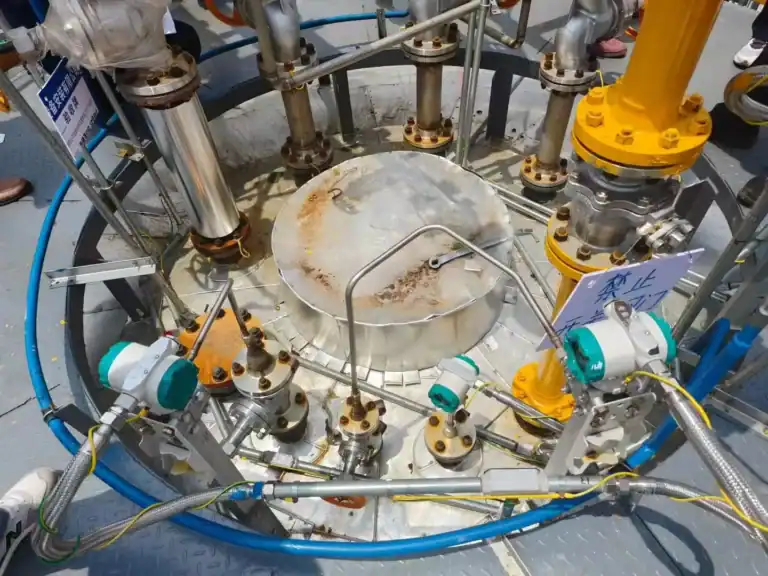
A pressure transmitter that works fine on a water-treatment skid can fail in weeks on a sour gas wellhead. The reason is not the sensor cell but everything around it: the range, the wetted material, the enclosure rating, and the temperature it sees. If you are specifying pressure instruments for an oil and gas project,…
Choose a marine or offshore pressure transmitter with confidence: seawater materials, IP68 immersion, Ex ratings, and where 316L stops being enough.
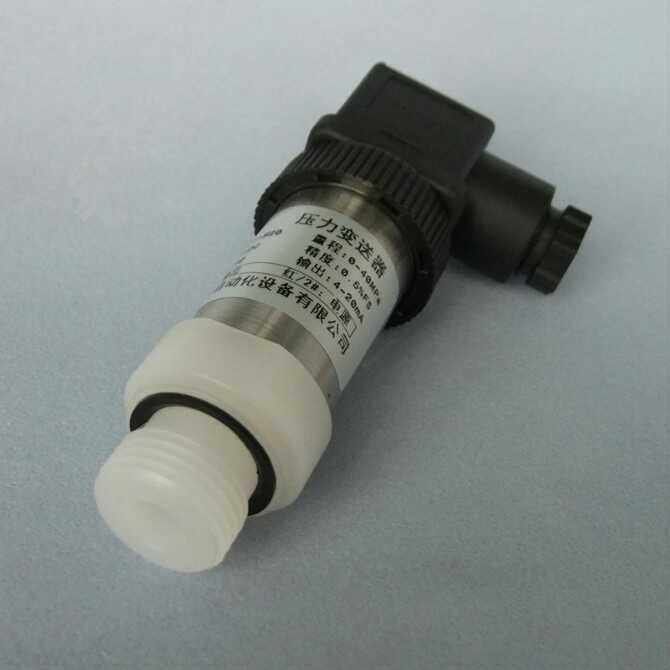
How to spec an OEM pressure transducer: output type, range and overload, sensing element, plus custom options, MOQ and lead time.
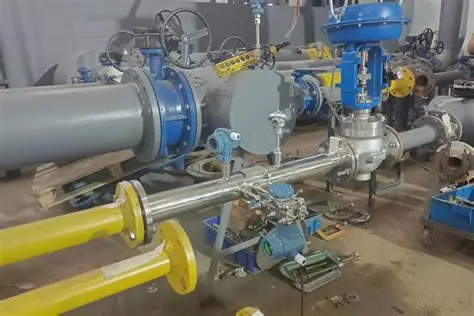
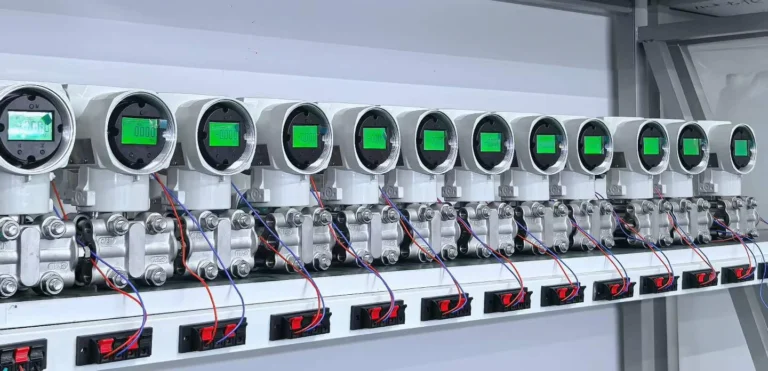
A differential pressure transmitter is still the flow meter you will find on more lines than any other, and not because it is the most accurate. It is cheap, it is hard to kill, and it works on almost any clean fluid. The catch is that the transmitter does not measure flow at all. A…
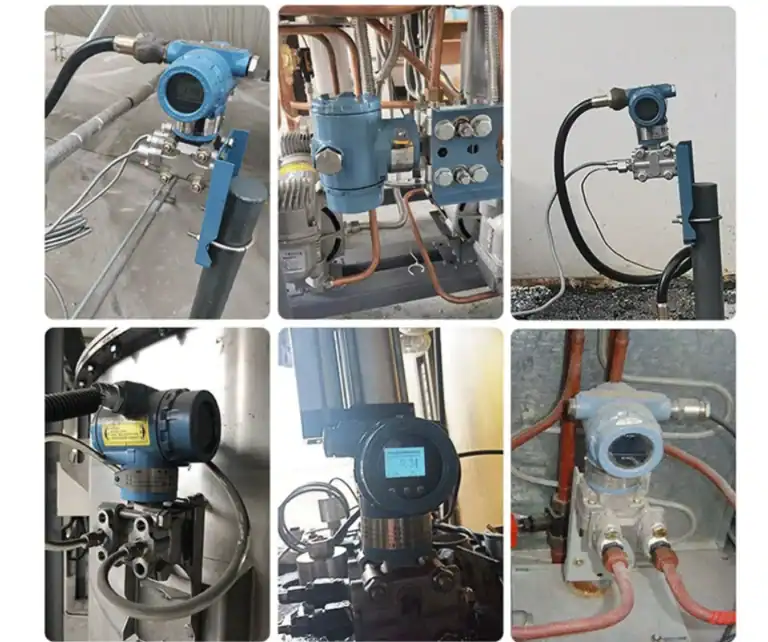
A clogging filter shows up as rising differential pressure long before the downstream flow falls off. Measuring that pressure is the easy part. The hard part is choosing the change-out number, then picking a transmitter whose range resolves a nearly clean filter yet still covers a plugged one. A filter trip can be handled by…
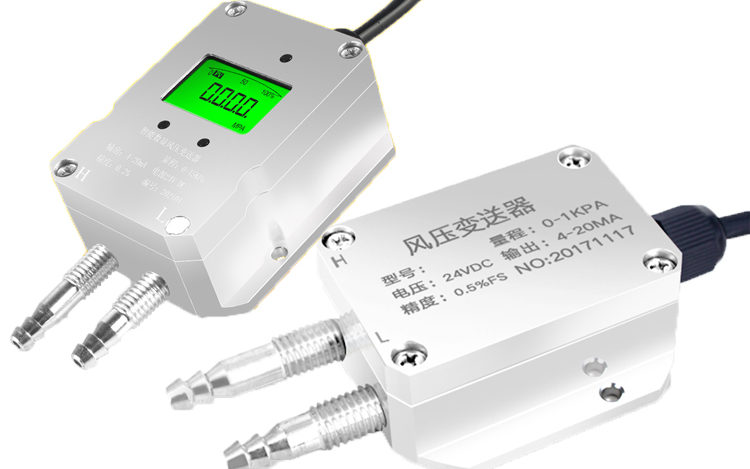
Choosing an HVAC differential pressure transmitter: match range in Pa/inWC, pick a switch vs transmitter, and the right 4-20 mA output for your BAS.
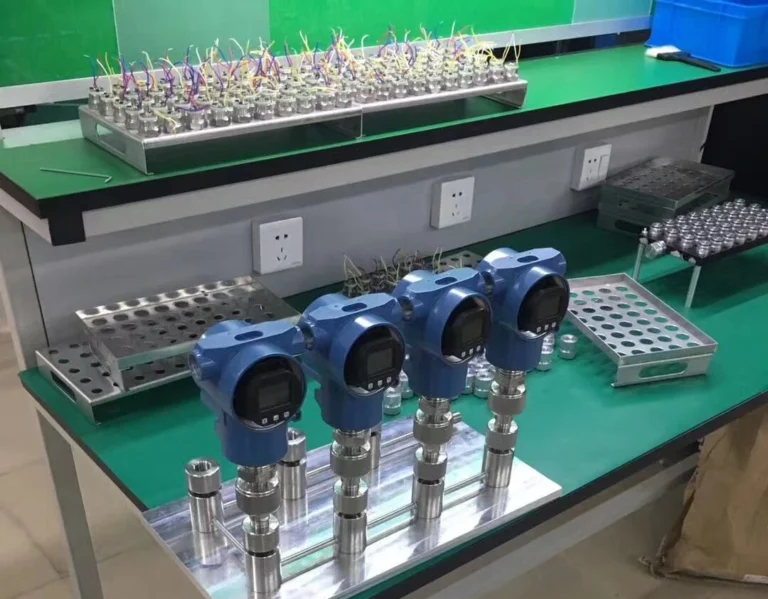
Reading precision on a pressure sensor spec sheet: the 0.1 % FS line, BFSL vs TEB, the accuracy ladder, calibration cadence, and the three HMK products that meet a real precision specification.
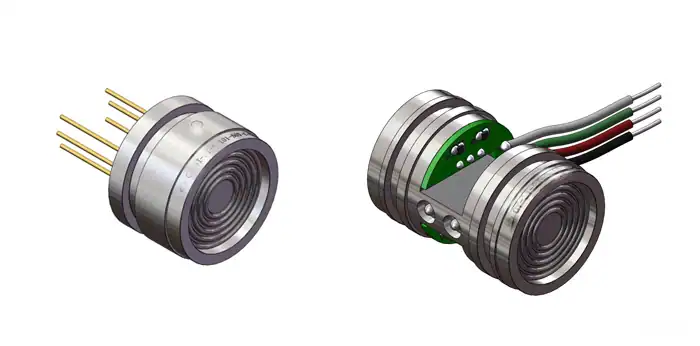
Compare piezoresistive and capacitive pressure sensors head-to-head: physics, accuracy, temperature drift, media compatibility, and a 4-branch decision framework to pick the right cell.
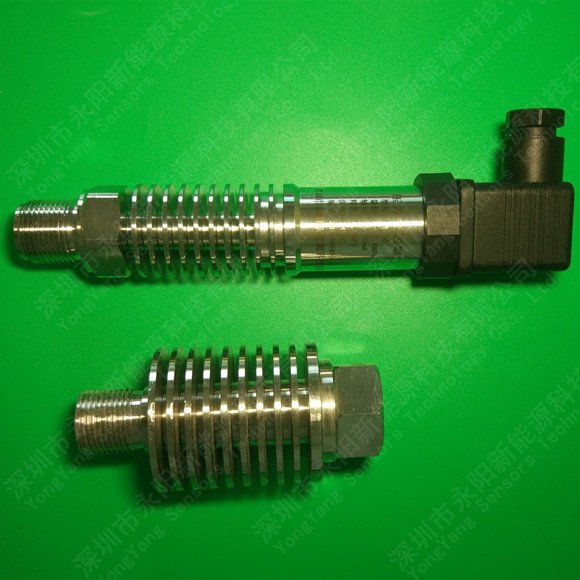
Choose the right pressure sensor for high temperature service from +250°F to +2192°F. 4 methods compared with real specs and custom options from HMK-TECH.
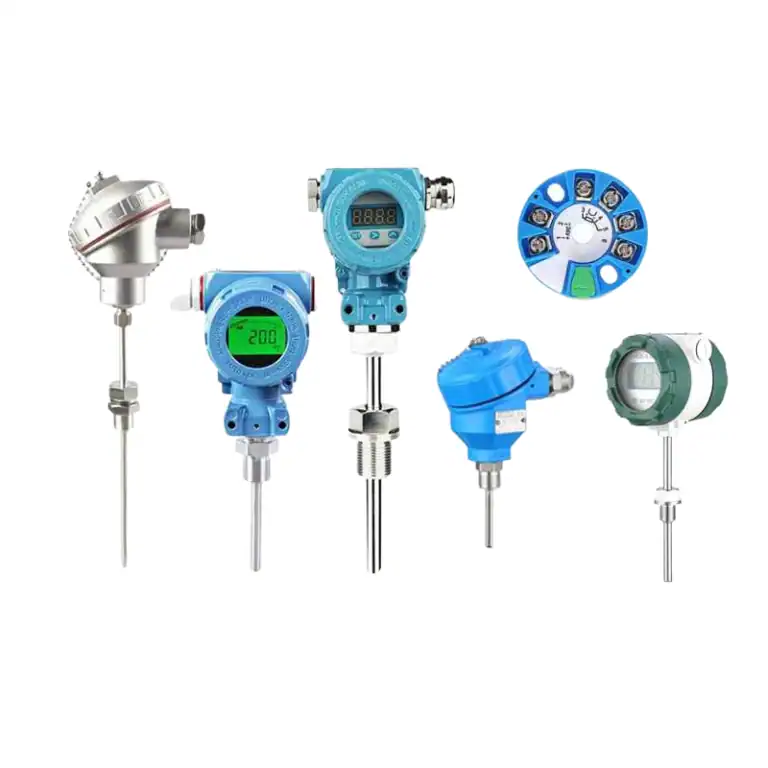
Two-stage framework for industrial temperature sensors: pick the sensing element first, then the assembly.