Pressure Transmitter Output Signals: 4-20mA vs 0-10V vs RS485
Pressure transmitter output signals compared: 4-20mA vs 0-10V vs 1-5V vs RS485 – wiring, cable distance, fault detection, and how to choose.
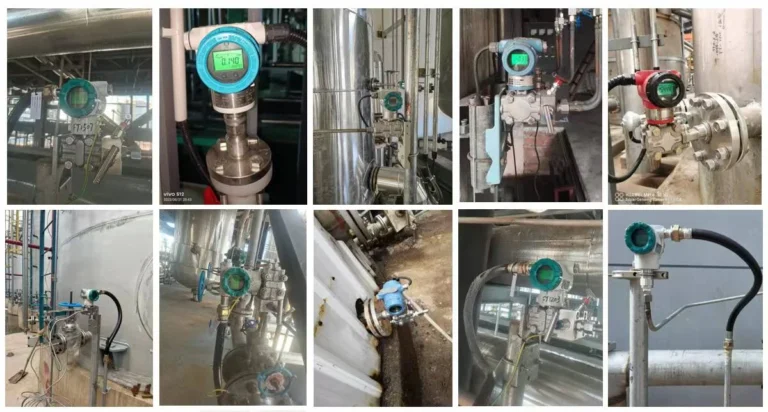
Pressure transmitter output signals compared: 4-20mA vs 0-10V vs 1-5V vs RS485 – wiring, cable distance, fault detection, and how to choose.
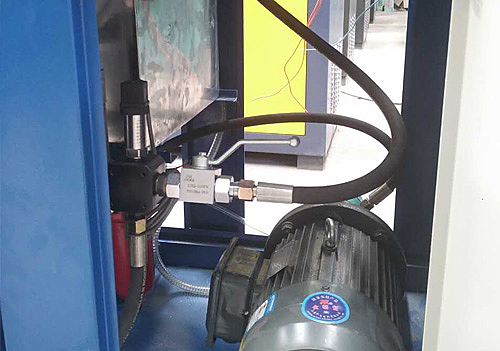
How to choose a hydraulic pressure transducer that survives pressure spikes and cyclic fatigue: sensing tech, overpressure sizing, and field testing.
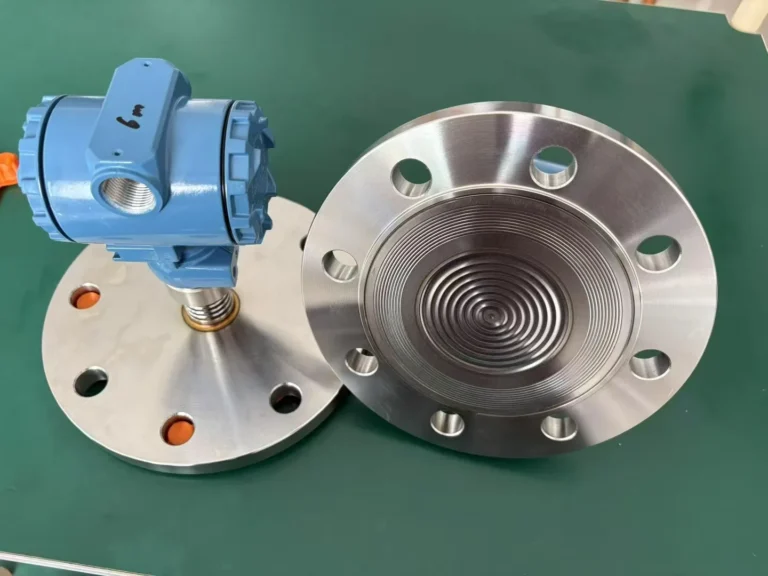
Pressure transmitter turndown ratio explained: how it’s calculated, why re-ranging hurts accuracy, the % of span vs % of URL trap, and how to size the range.
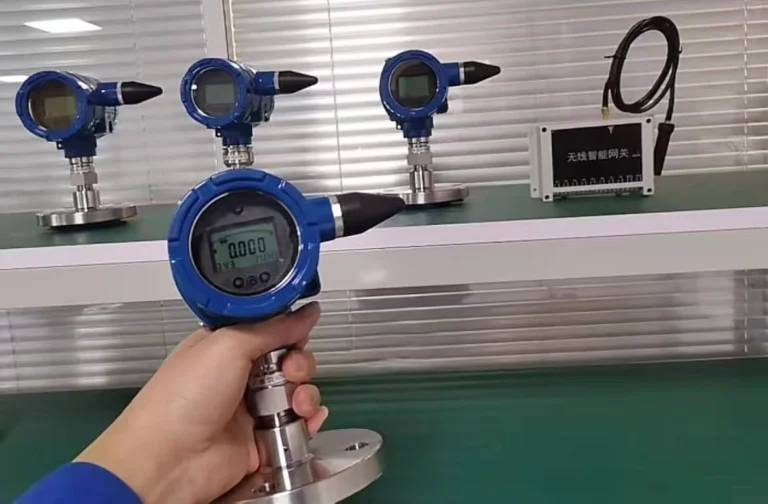
How to choose a wireless pressure transmitter: when wireless beats cable, the protocol decision (WirelessHART vs LoRa vs Bluetooth vs cellular), battery life, and SCADA integration.
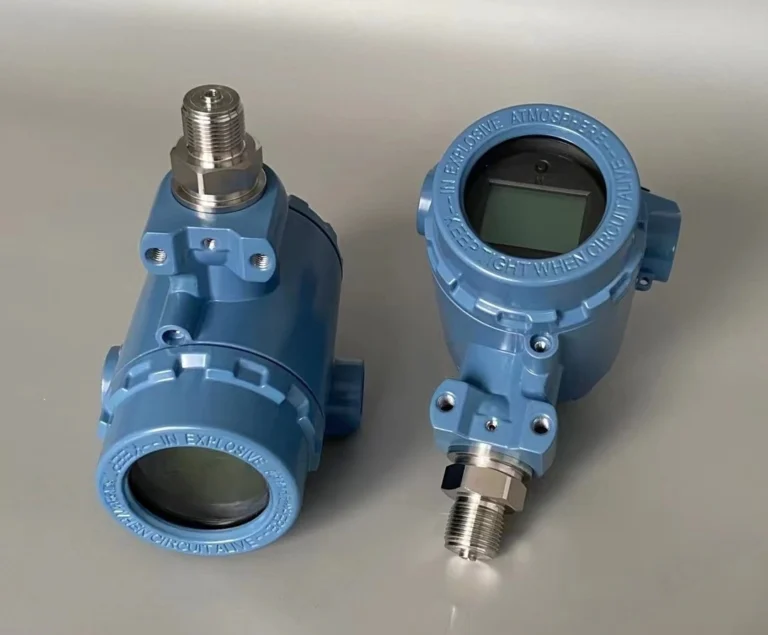
How to choose a hazardous location pressure transmitter: IEC Zones, NEC Class/Division, Ex d vs Ex i vs non-incendive, T-codes, and where the HM60 fits.
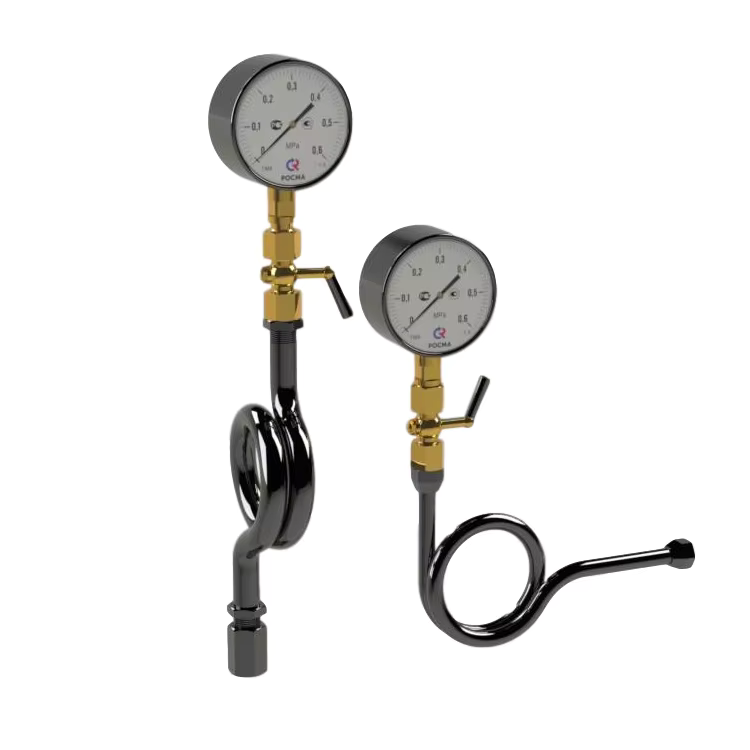
How to choose between a pigtail siphon and a condensate pot for steam pressure transmitters, plus sizing, material selection, install practice, and HMK transmitter pairings.
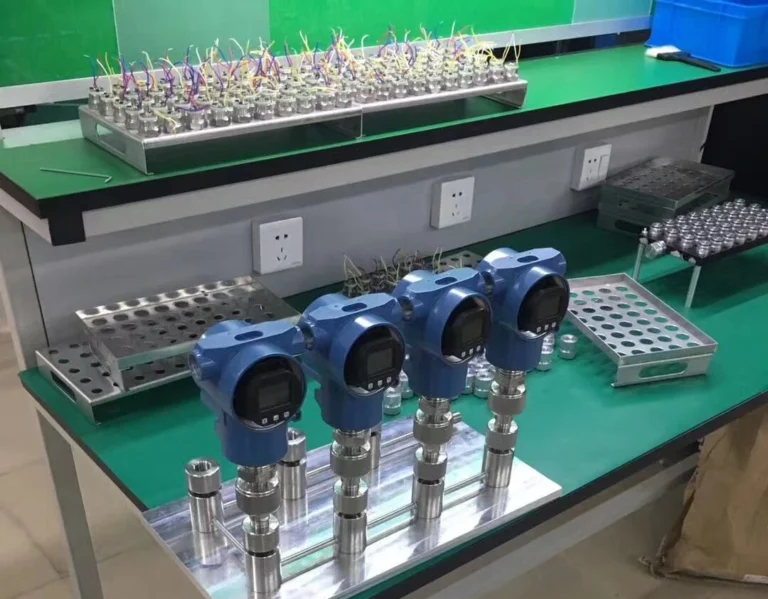
Reading precision on a pressure sensor spec sheet: the 0.1 % FS line, BFSL vs TEB, the accuracy ladder, calibration cadence, and the three HMK products that meet a real precision specification.
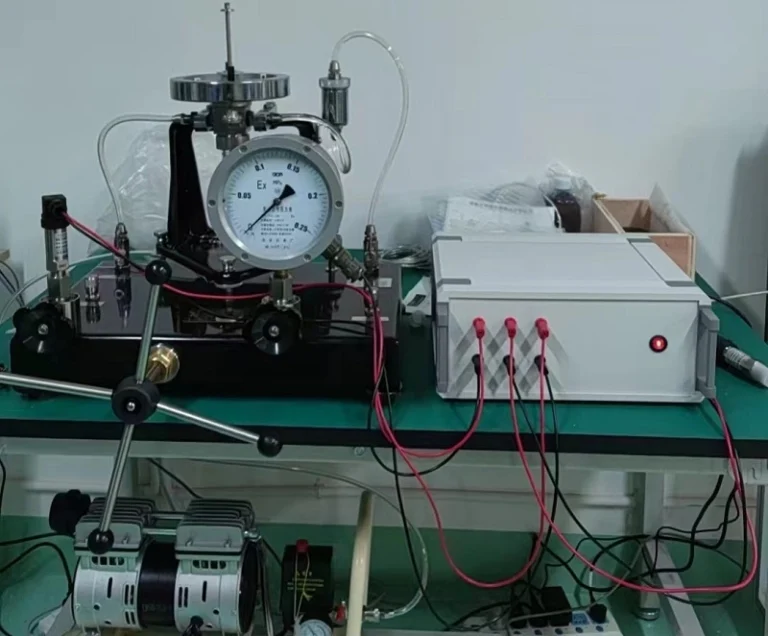
A six-step field procedure for measuring vacuum pressure across HVAC, process, and lab applications — gauge selection, system-port installation, decay-test diagnostics, and HE27 sensor specs.
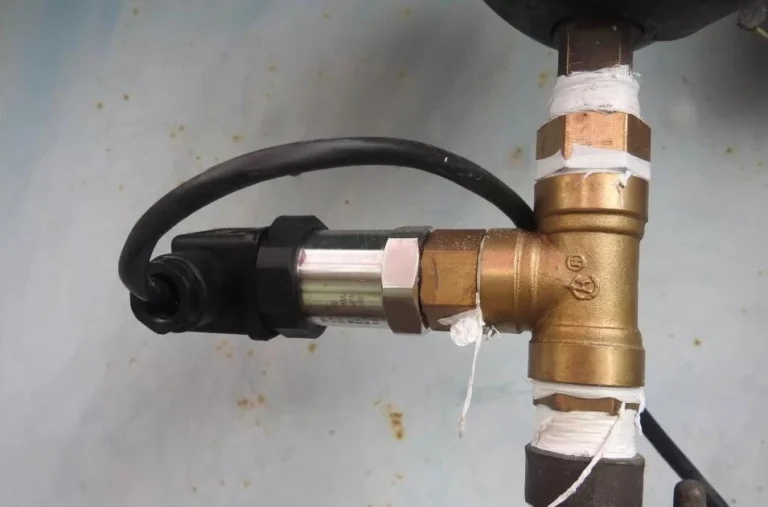
PSI pressure unit definition for engineers — pounds per square inch, conversions, and transmitter selection.
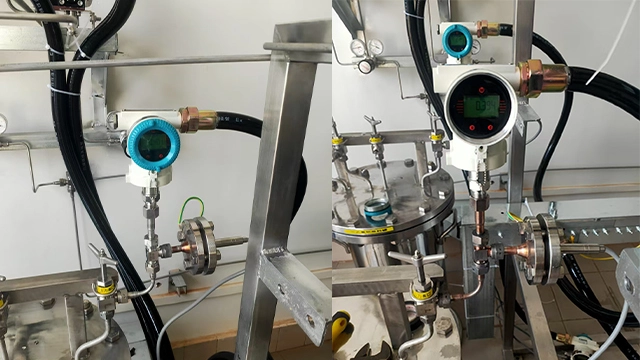
P_abs = P_gauge + P_atm explained for engineers. Three worked examples, altitude correction, unit traps, plus HM27/HE27/HPTM189 selection.
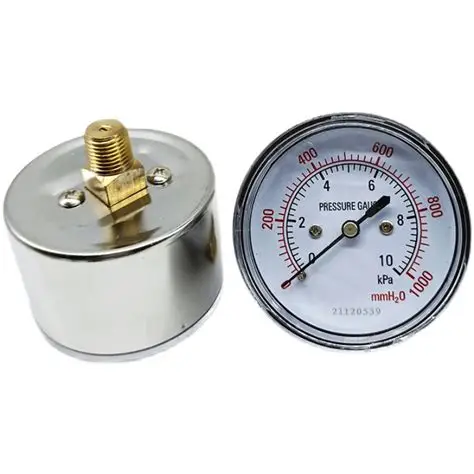
Inches of water column (inWC) explained — PSI/Pa conversion table, furnace gas pressure specs, HVAC duct static range, and DP transmitter selection.
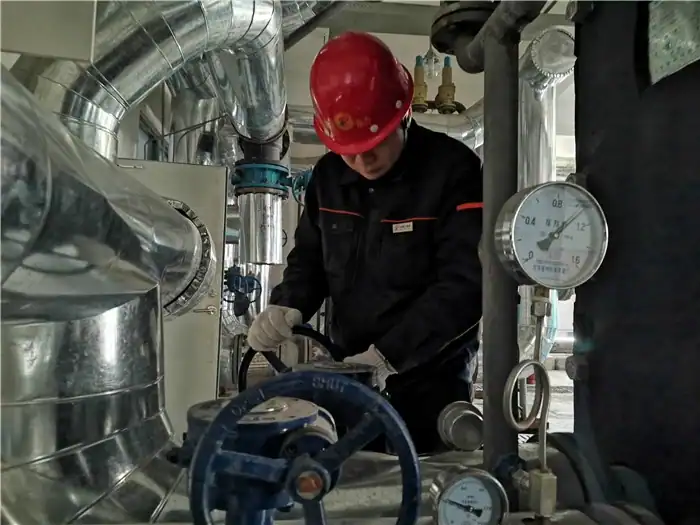
Field procedure to measure total external static pressure (TESP) in HVAC: 6 steps, probe placement, NEBB acceptable ranges, manometer vs DP transmitter device picks.
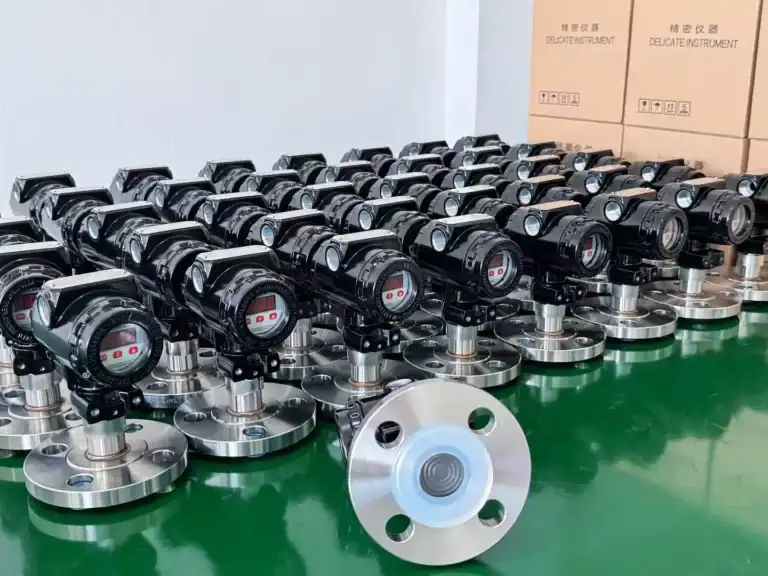
P_gauge = P_abs – P_atm explained for instrumentation engineers. Three industrial worked examples (tank, refinery, HVAC), altitude correction, unit conversions, and HMK transmitter selection.
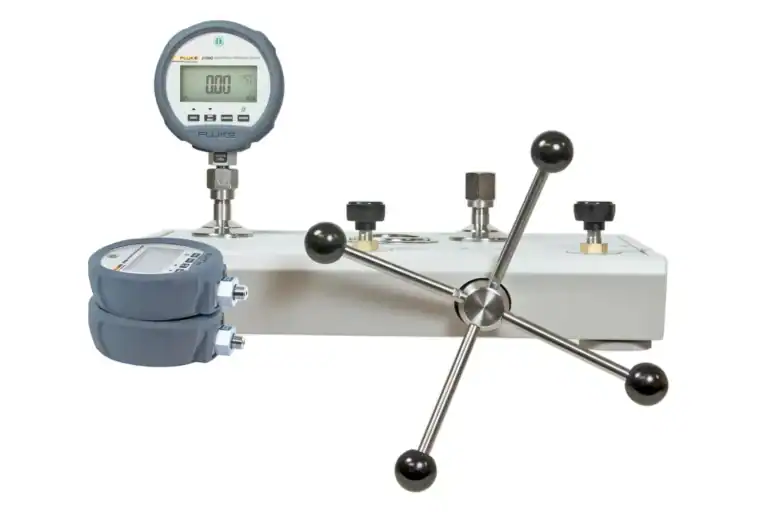
Decode PSI, PSIA, PSIG, PSID and PSIS on pressure transmitter spec sheets, with conversion formulas, altitude correction table, and HMK / WIKA / Rosemount SKU patterns.
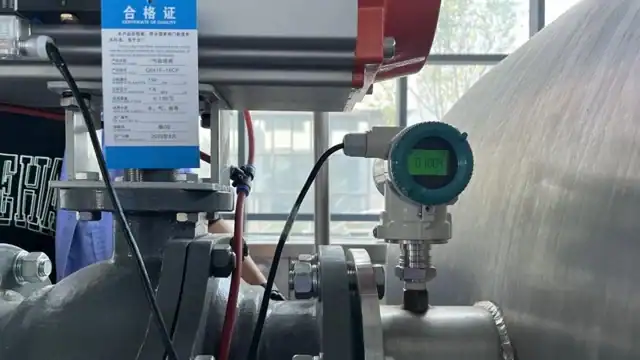
Decode pressure transmitter symbols on a P&ID. PT, PIT, PDT explained with ISA-5.1-2024 updates, bubble conventions, tag number anatomy, and signal line types.
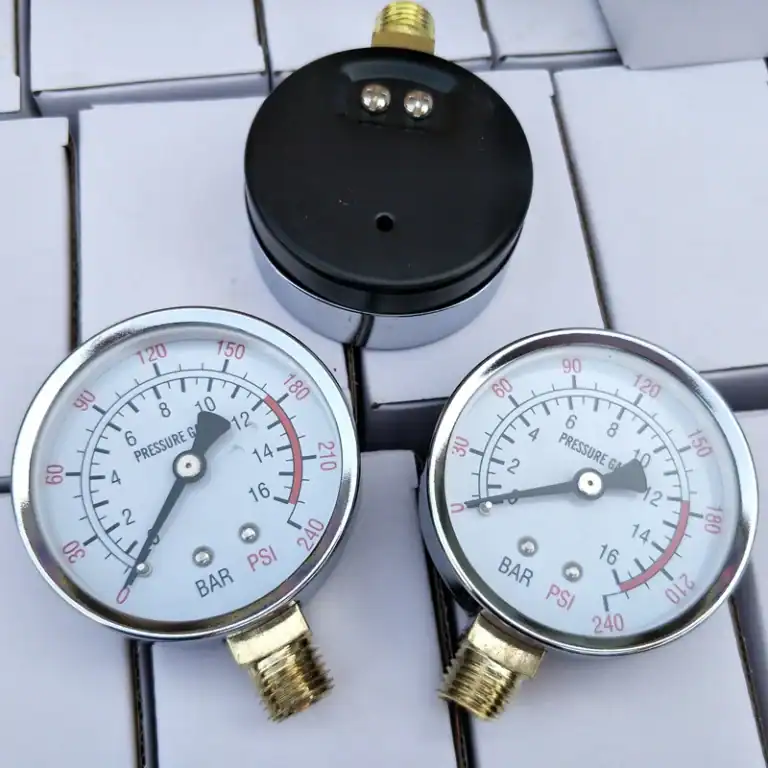
ASME B40.100, EN 837-1, and GB/T 1226-2017 accuracy class ladder explained: 9 grades, the 4:1 calibration rule, and a 5-factor decision matrix for industrial selection.
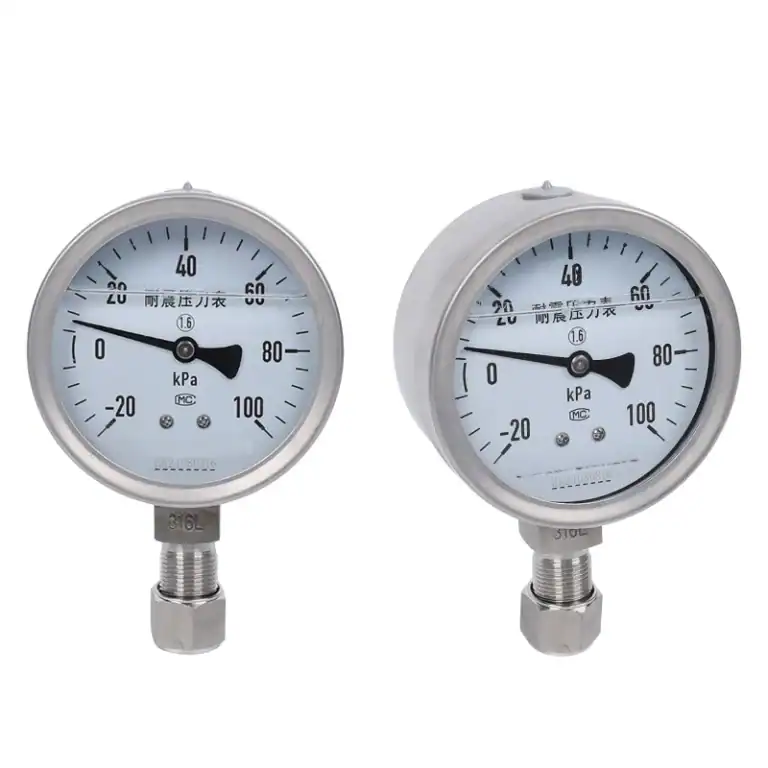
Negative pressure gauges in HVAC, cleanrooms, hospital isolation rooms, refrigeration, boiler draft, and automotive. Typical readings + instrument selection.
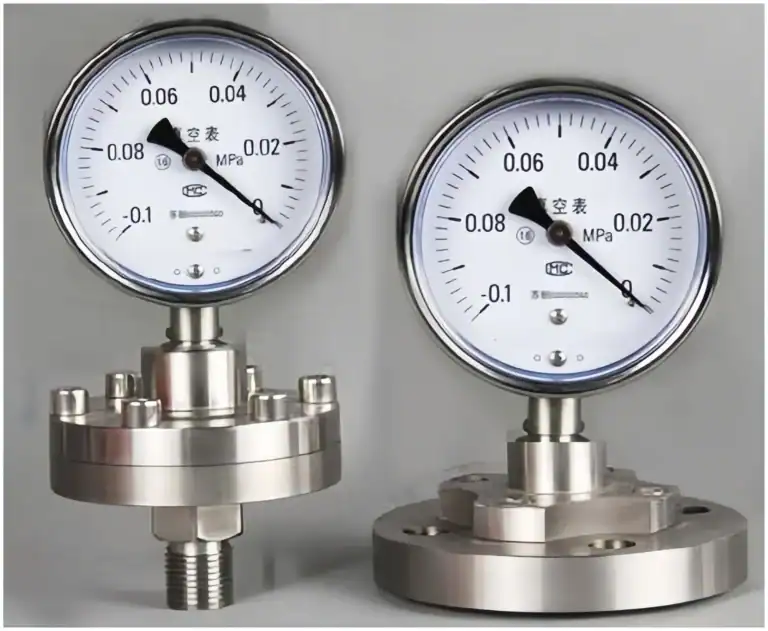
Yes, gauge pressure can be negative. A process engineer explains when sub-atmospheric readings are normal, the unit conversion, and instrument selection.
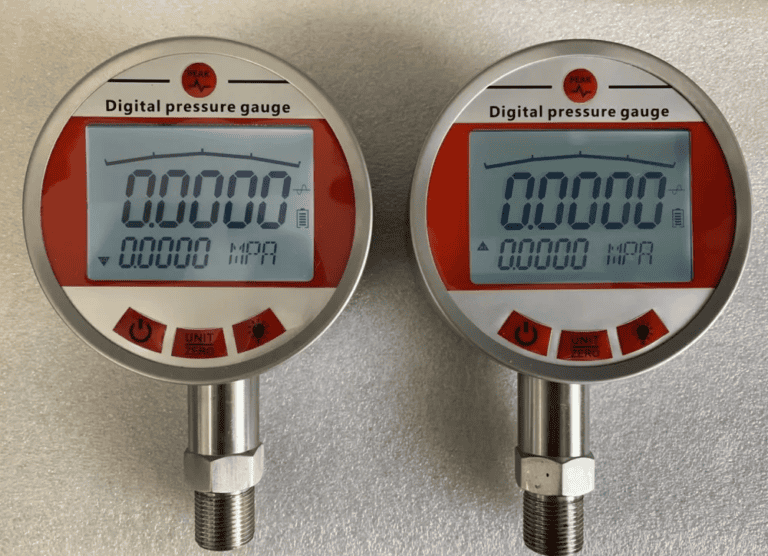
Supply pressure gauge spec guide: psi ranges for pneumatic, hydraulic, instrument air & CDL airbrake; P&ID symbol; transmitter upgrade triggers.
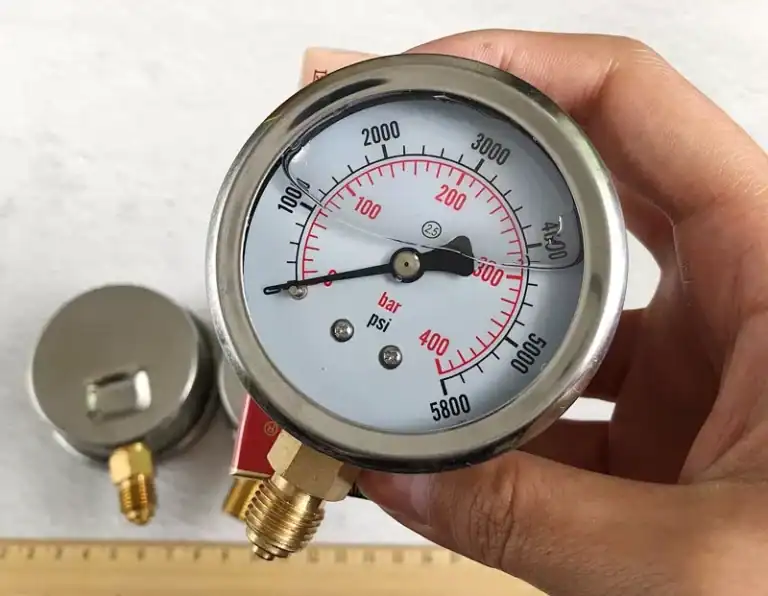
Industrial troubleshooting guide for a fluctuating oil pressure gauge. 5-minute decision tree, 5 causes, mechanical cross-check, tools, R/Y/G operations table.