Bourdon Manometer: Working Principle, Types, and Limits
How a Bourdon tube manometer works, the C / spiral / helical types, accuracy class, and the 5 field limits that kill it.
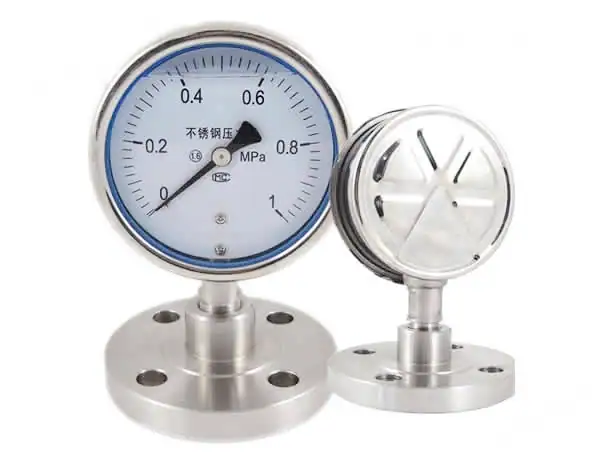
How a Bourdon tube manometer works, the C / spiral / helical types, accuracy class, and the 5 field limits that kill it.
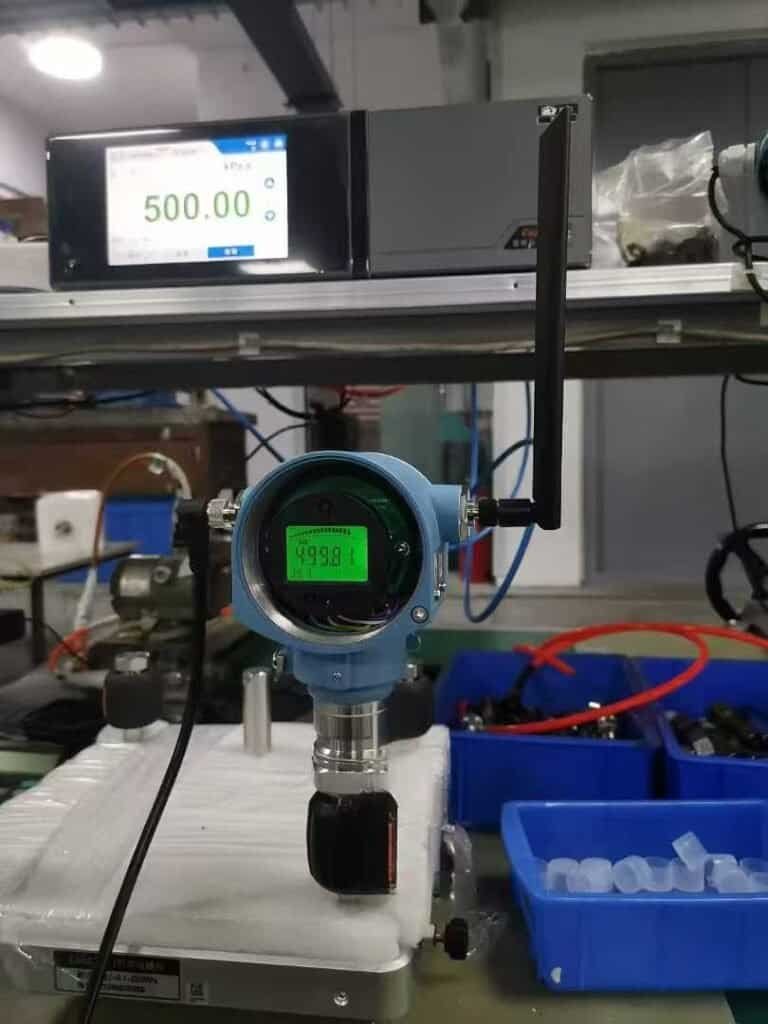
Pick the right pressure transducer for hydraulic, HVAC, oil & gas, chemical, food, pharma, water, and lab service. Decision matrix + accessory + mistakes.
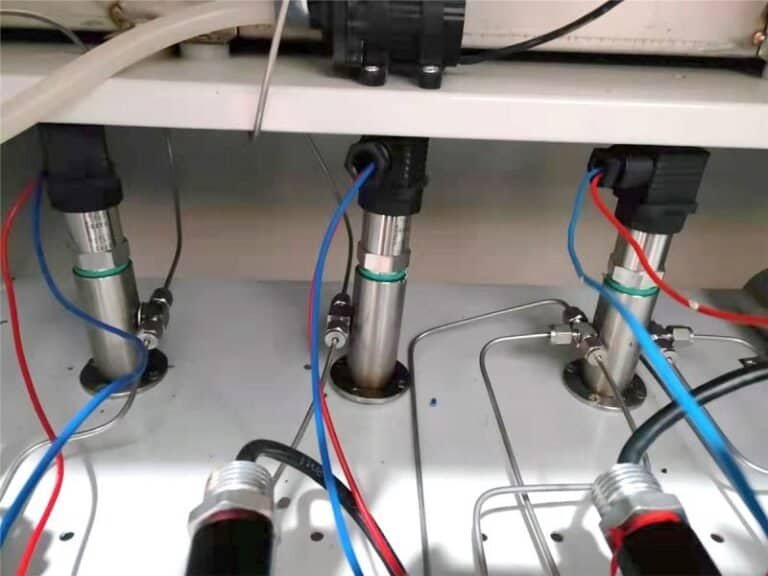
How temperature shifts a pressure sensor reading, the passive and active circuits that correct it, and how to read the +/- %FS/C compensation spec on a datasheet.
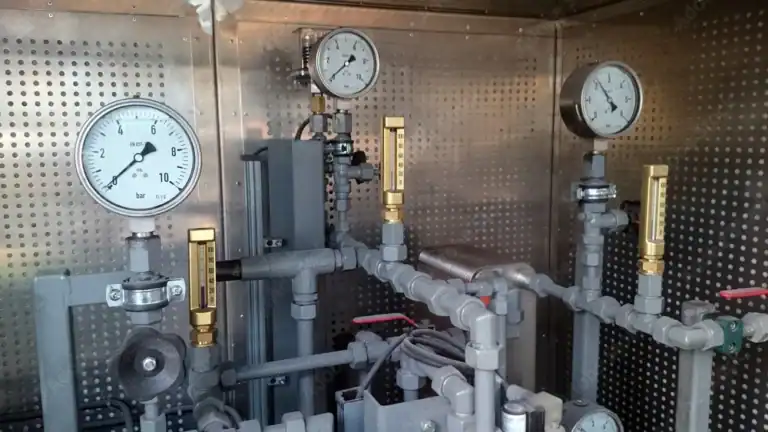
A field guide to the 12 parts inside a mechanical pressure gauge: what each component does, what materials they are made of, and which parts wear out first.
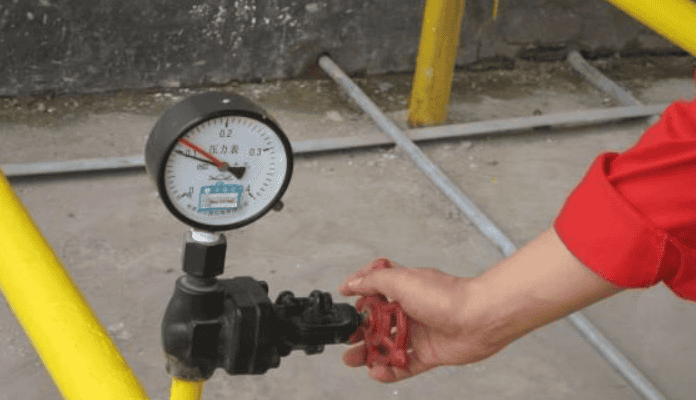
Industrial selection guide for electric oil pressure gauges. Compares mechanical Bourdon, sender-driven 240-33 ohm dash gauges, and digital LCD instruments like the HM40 across spec, wiring, and accuracy class.
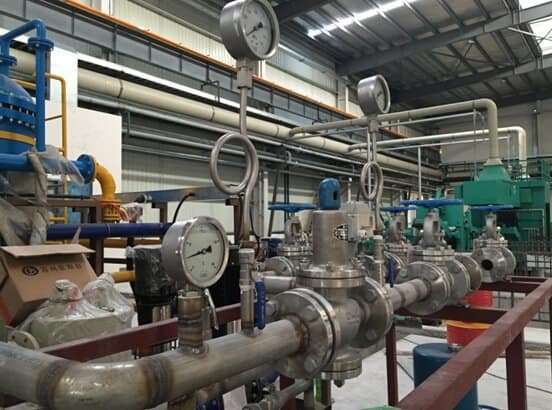
Step-by-step guide to reading industrial pressure gauges: units, scale math, dual-scale traps, accuracy class, and when to upgrade to digital.
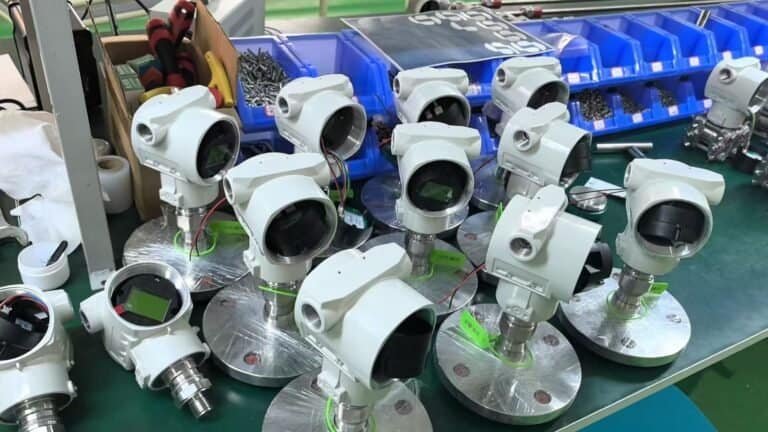
Pressure transmitter types is four axes: reference, sensing, output, certification. 12 worked examples and a 6-step selection workflow.
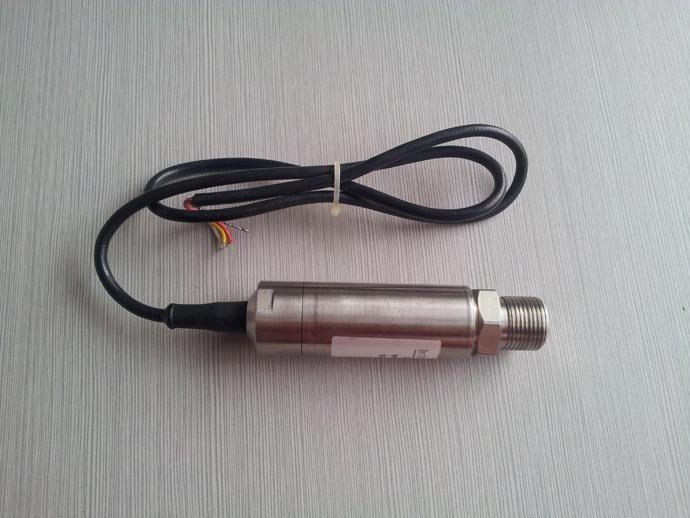
NPT (60° tapered, ASME B1.20.1) and G/BSPP (55° parallel, ISO 228-1) are not interchangeable. Standards reference, size equivalence, and 3-step thread ID.
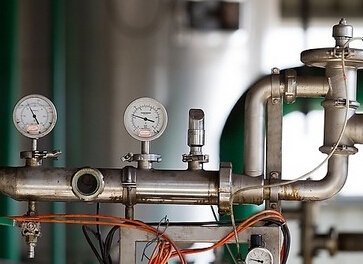
Decode the pressure switch symbol on any drawing — NEMA / IEC electrical schematics, ISA-5.1 P&ID (PSH, PSL, PDS), and ISO 1219 pneumatic blocks.
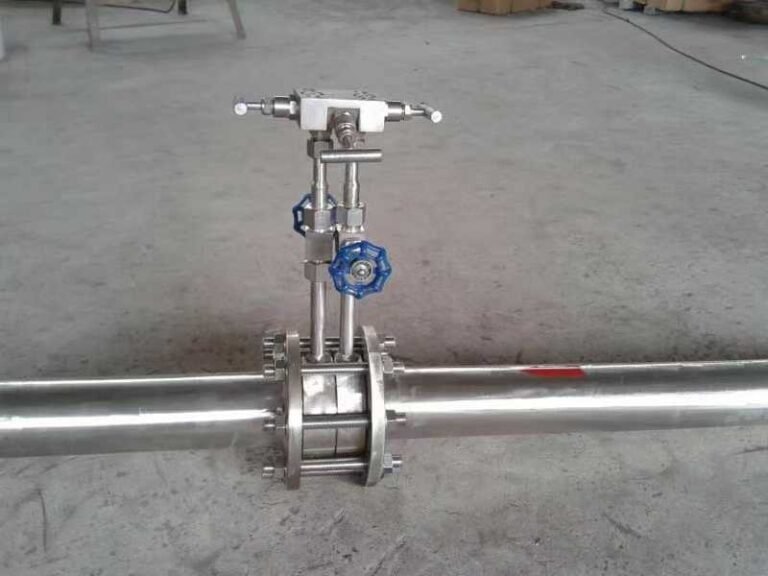
DP flow measurement uses Bernoulli physics: a primary element drops pressure, a DP transmitter reads it, math gives flow. Pick and install correctly.
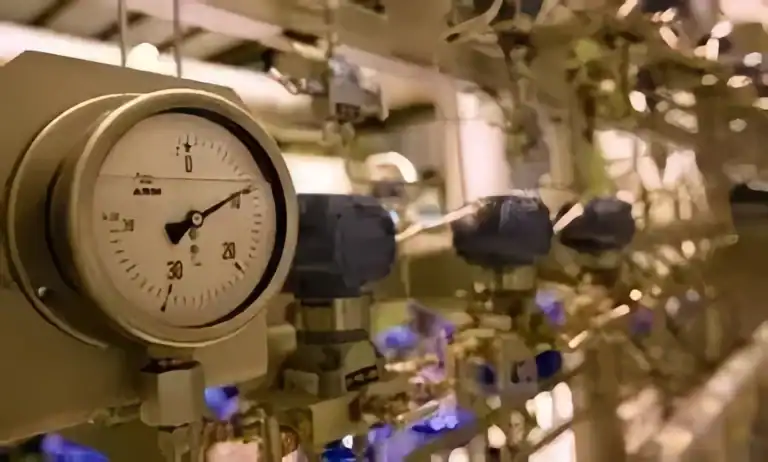
A vacuum gauge can show three numbers for the same pressure, depending on its reference. Read it correctly, pick the right sensor, avoid the sealed-gauge trap.
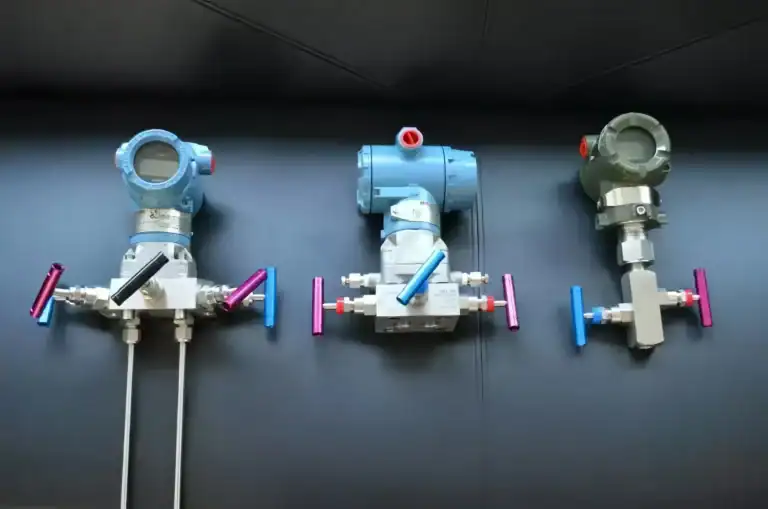
Spec the right valve manifold for your DP transmitter. 2/3/5-valve comparison, decision tree, JJG calibration tie-in, and HMK by-model picks.
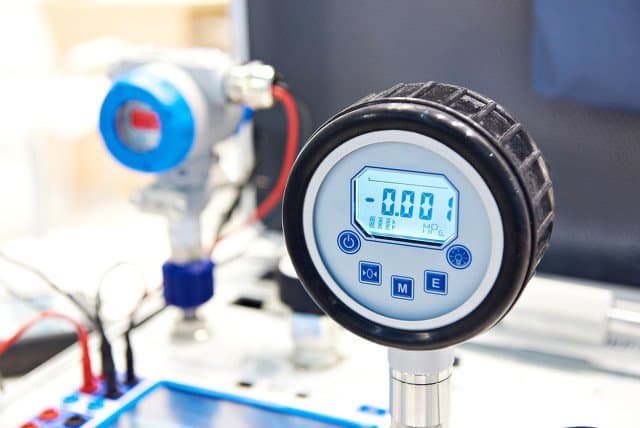
Calibrate a differential pressure transmitter end to end. 5-point Up & Down procedure, HART vs analog, JJG 882-2019 interval, and 5 field traps to avoid.
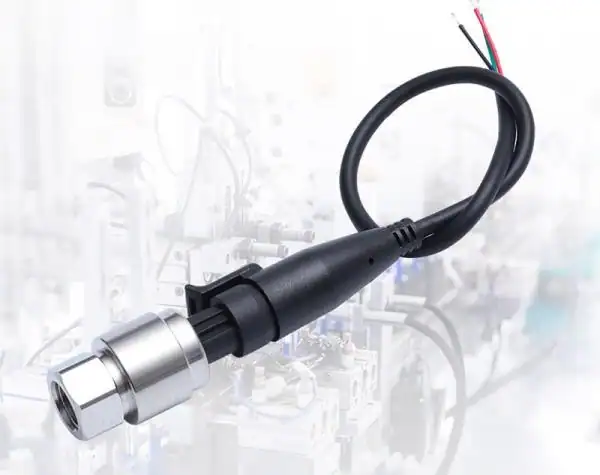
Spec the right low pressure transducer for HVAC, cleanroom, filter monitoring or OEM use. Ranges 100 Pa-10 kPa, accuracy, mounting, and 6 HMK matches.
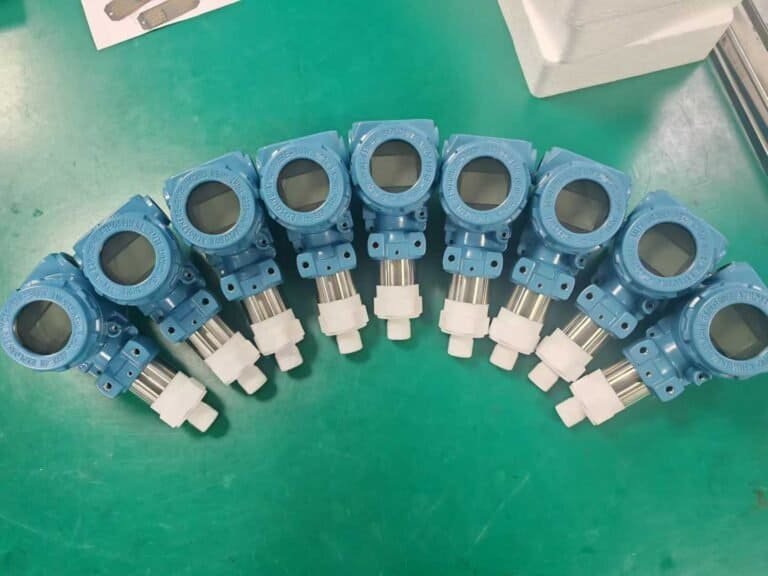
Compare Ex i and Ex d pressure transmitters, decode ATEX, IECEx, and GB 3836 certificates, and pick the right intrinsic-safety spec for Zone 0/1/2 service.
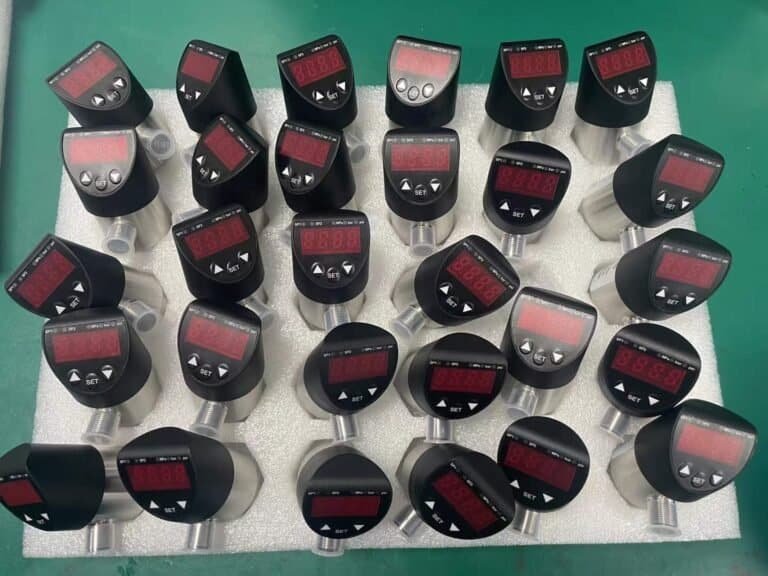
Pressure switch vs transmitter: a five-criterion framework (control, data, SIL, integration, lifecycle) plus HM41 hybrid specs and refinery failure patterns.
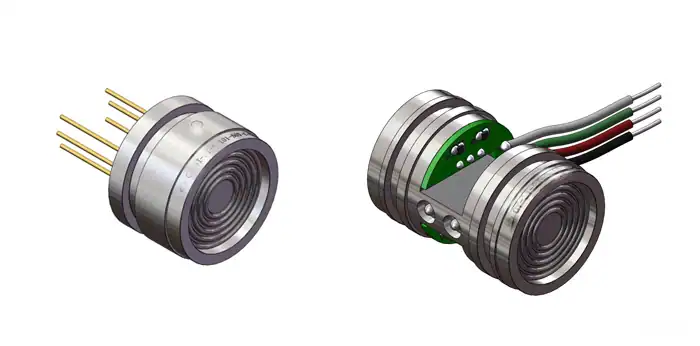
Compare piezoresistive and capacitive pressure sensors head-to-head: physics, accuracy, temperature drift, media compatibility, and a 4-branch decision framework to pick the right cell.
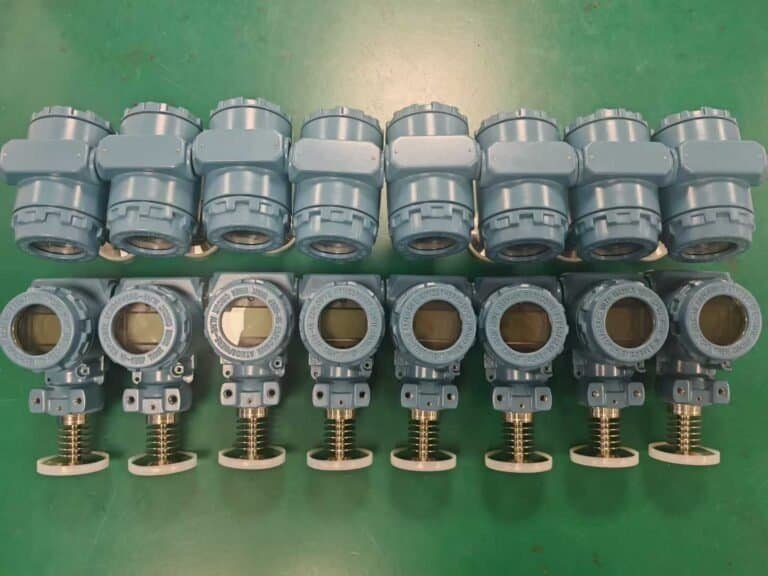
When a flush diaphragm beats a threaded port, how to pick the diaphragm material, and which HMK model (HM70, HM28 Sapphire, HM60 Ex) fits your pressure, temperature and sanitary class.
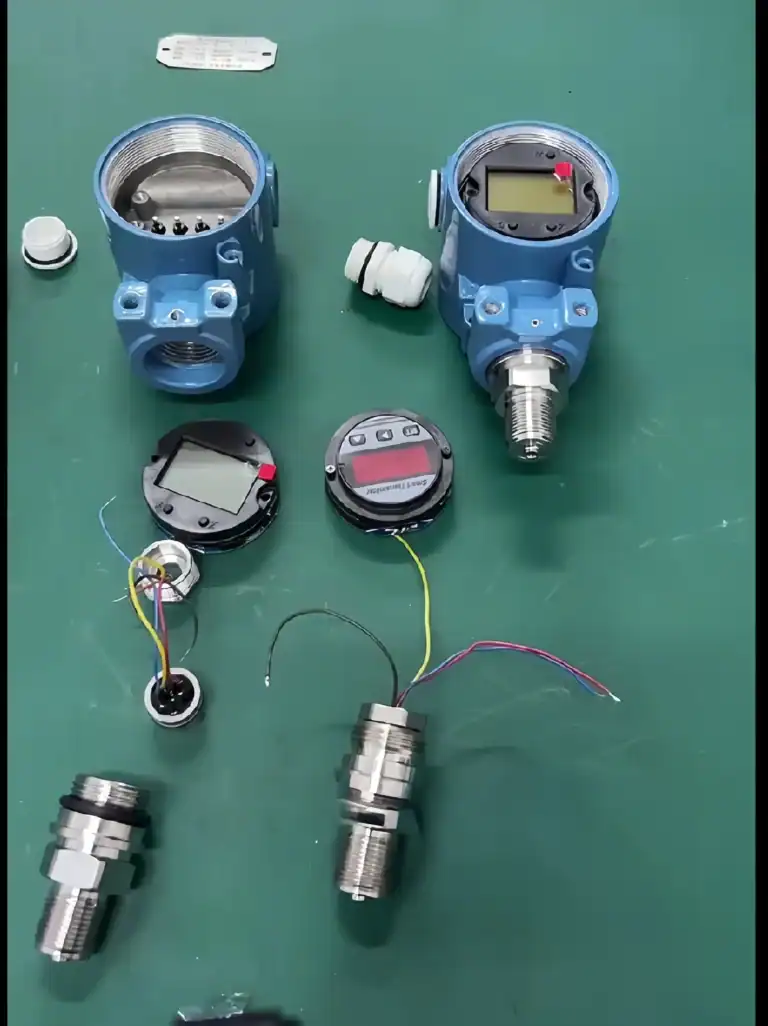
How a pressure transmitter works — the 6-stage signal chain and the 4 sensing technologies (piezoresistive, ceramic, sapphire, MEMS) compared by accuracy, drift, temperature, and cost.
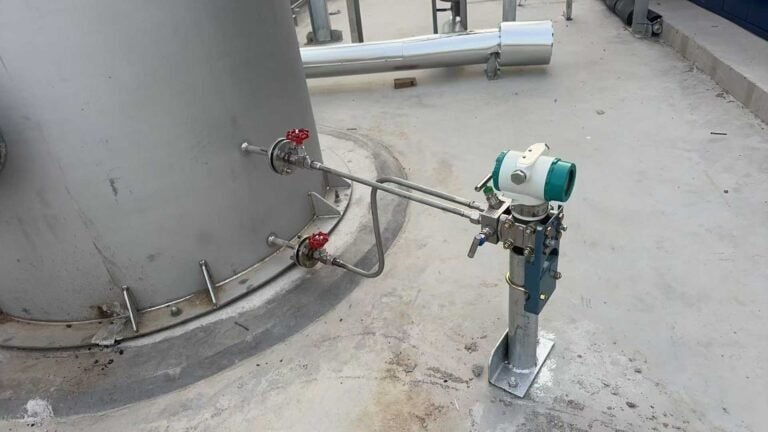
Differential pressure level measurement explained: hydrostatic principle, four install configs (open tank, closed tank dry/wet leg, bubbler), LRV/URV calculation, interface measurement, and how DP compares to radar and guided-wave for refinery, tank farm, and separator service.