Type J Thermocouple: Range, Wire Colors & When to Use vs Type K
Type J thermocouple — iron-constantan, -40 to 750°C, ideal for reducing atmospheres. Wire color codes, IEC 60584 accuracy, vs Type K & Type N selection.
How bimetallic, filled-system, and gas-actuated dial temperature gauges work. Mechanism diagrams, accuracy class, temperature range, and a 3-way selection table.
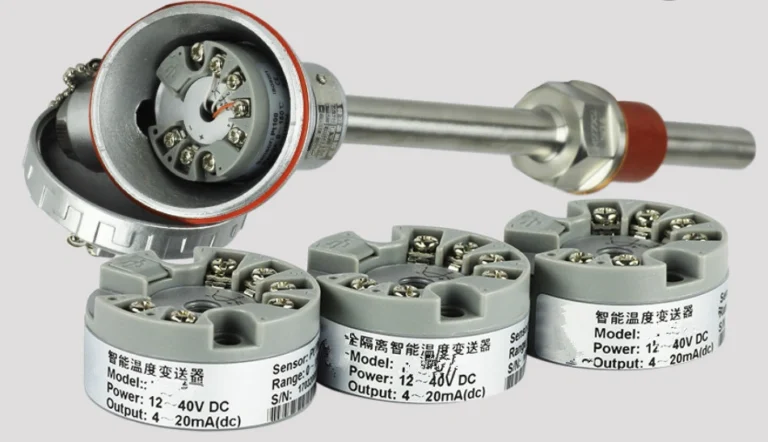
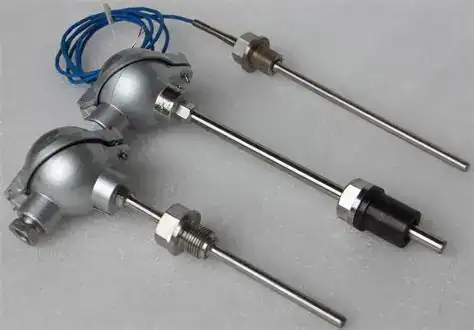
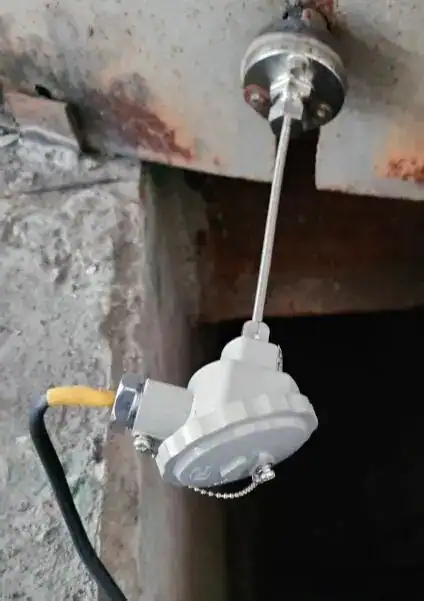
Temperature element vs transmitter: when do you need each? A 40-year process engineer maps the 5 conditions that decide whether bare RTD or TC works.
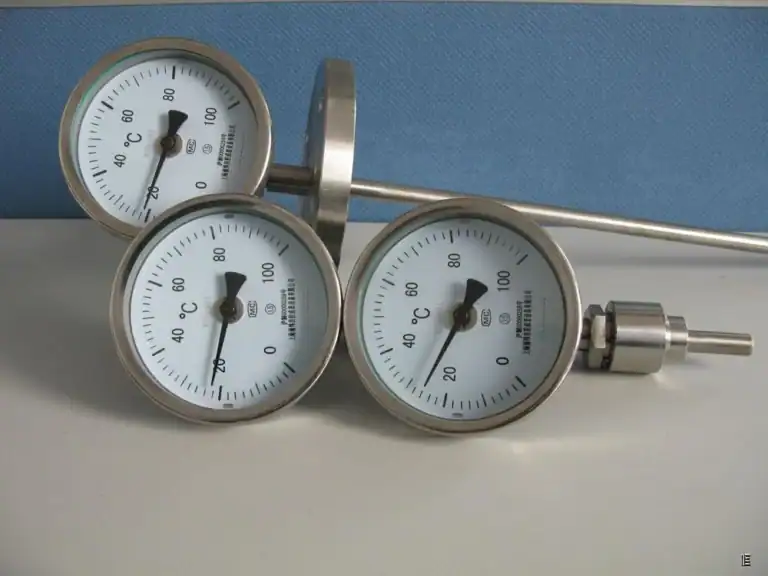
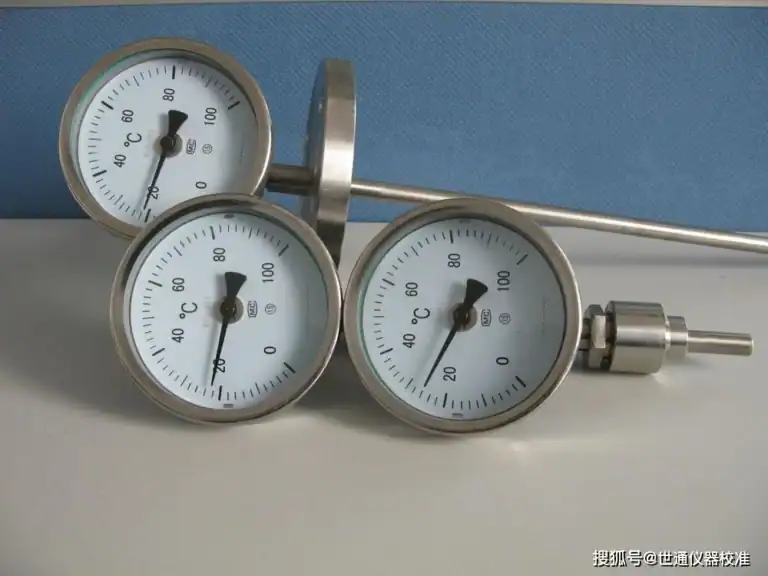
Temperature gauge definition, working principle, 5 types (bimetallic, filled-system, RTD, thermocouple, digital), accuracy classes & selection guide.
Grounded, ungrounded, or exposed thermocouple junction? Real τ63 numbers, Class I/II tolerances, and 2×3 selection matrix with Sinopec, Baosteel, CATL cases.
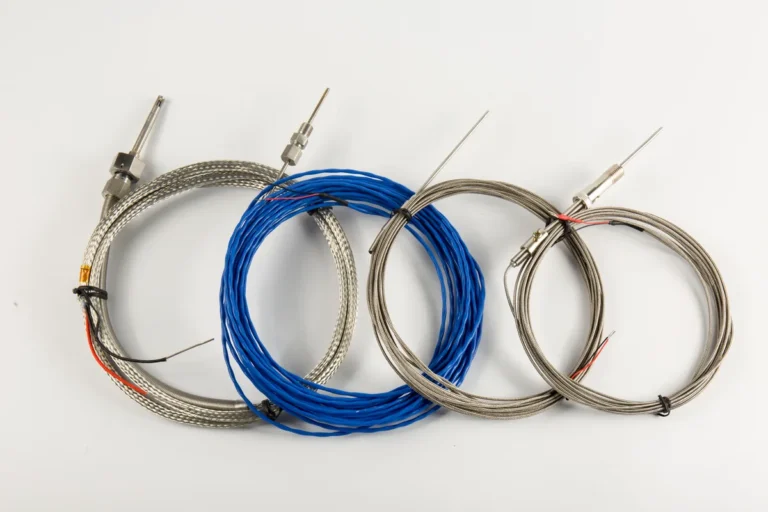
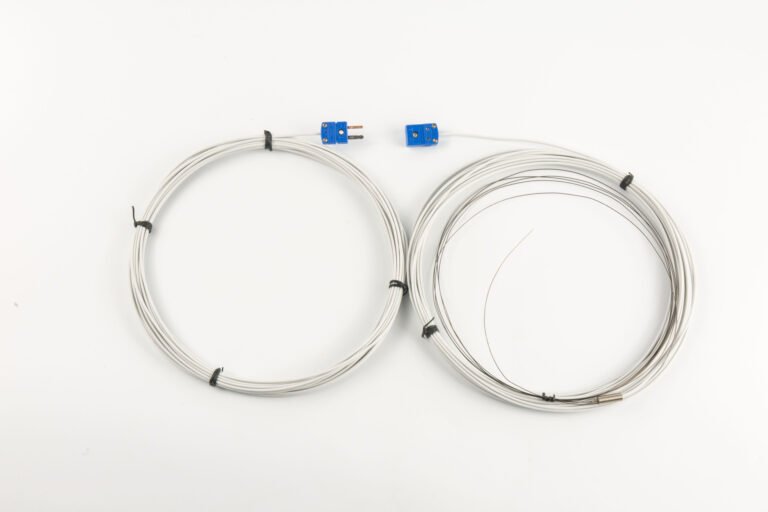
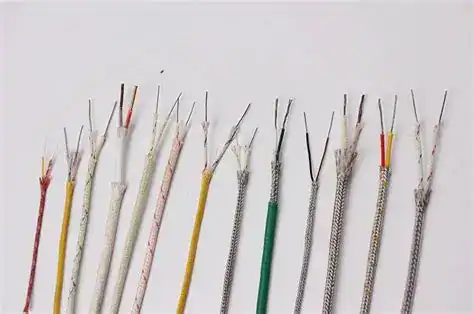
Thermocouple extension wire uses the same alloy as the sensor; compensating cable uses a cheaper alloy pair that matches EMF only in the ambient window. Field data on loop resistance, run-length error, GB/ANSI/IEC codes and five wiring mistakes that bury more error than the sensor itself.
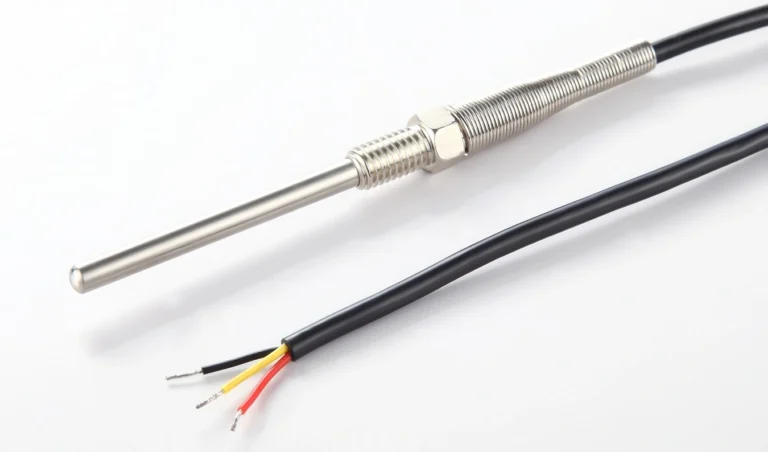
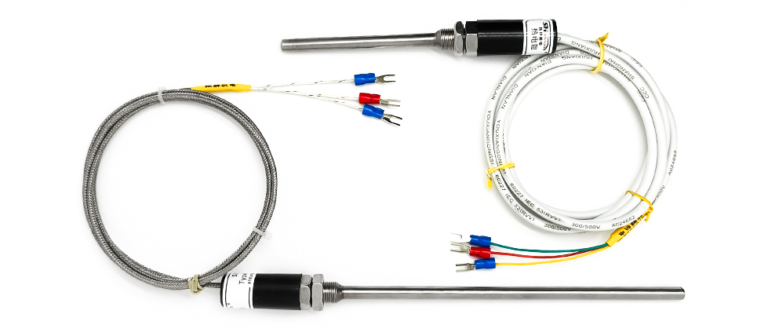
RTD wiring field guide — why 2-wire adds 8 °C error, how 3-wire cancels lead resistance via Wheatstone, when to use 4-wire Kelvin. Color codes + diagnostics.
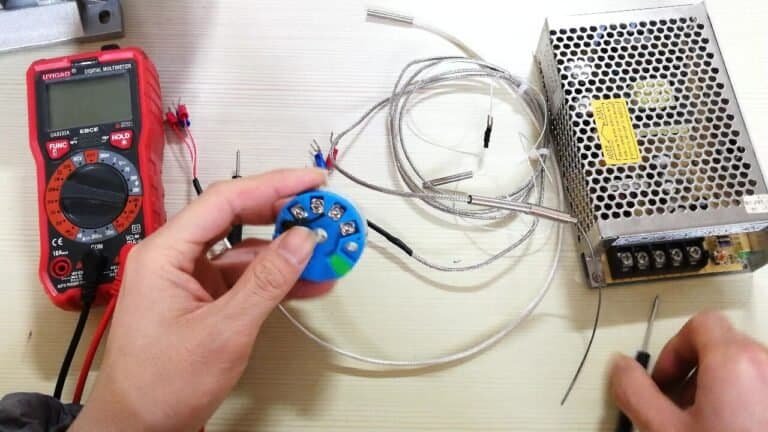
Cold junction compensation explained: what it is, 5 methods, real error budget for Type K, and the 3 field failure modes nobody documents.
RTD vs thermocouple — compare accuracy, range, response speed, wiring, drift, and cost. Learn the 500°C rule engineers use to pick the right sensor.
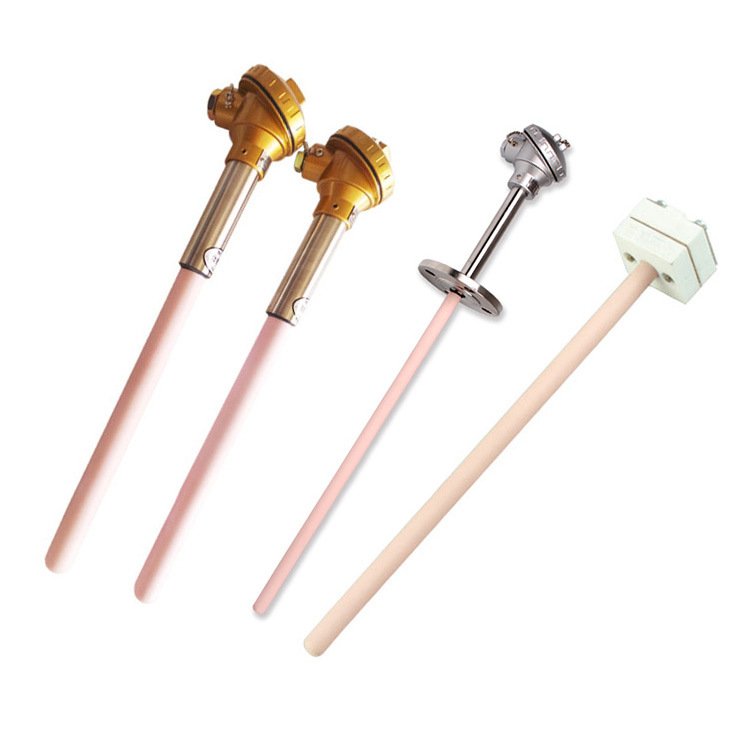
You need to replace a thermocouple — or spec one for a new line — and the catalog shows eight letters. K, J, T, E, N, S, R, B. Each has a different alloy pair, a different temperature ceiling, and a different set of environments where it thrives or fails. Most thermocouple-type references list those…
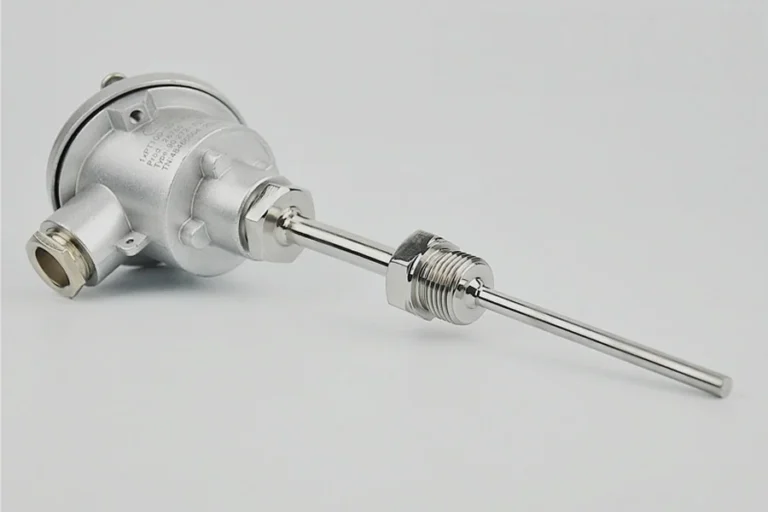
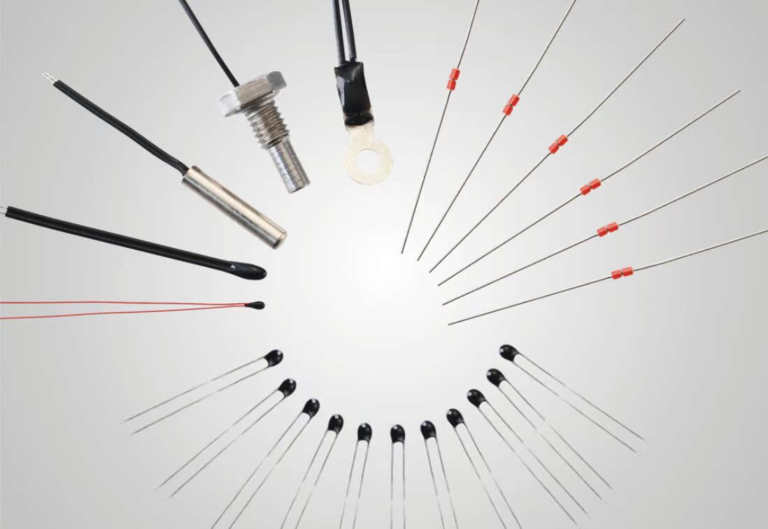
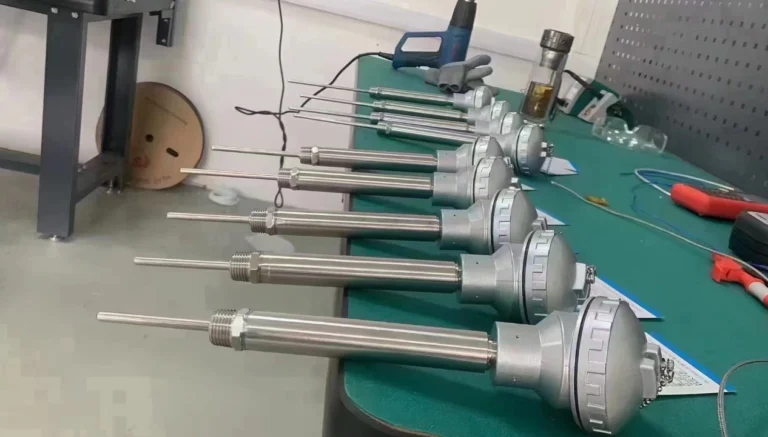
Two-stage framework for industrial temperature sensors: pick the sensing element first, then the assembly.