Pressure Transmitters for Corrosive Chemicals
Wetted-material breakpoints by acid, concentration and temperature, the honest limits of ceramic and tantalum, and when a diaphragm seal makes sense.
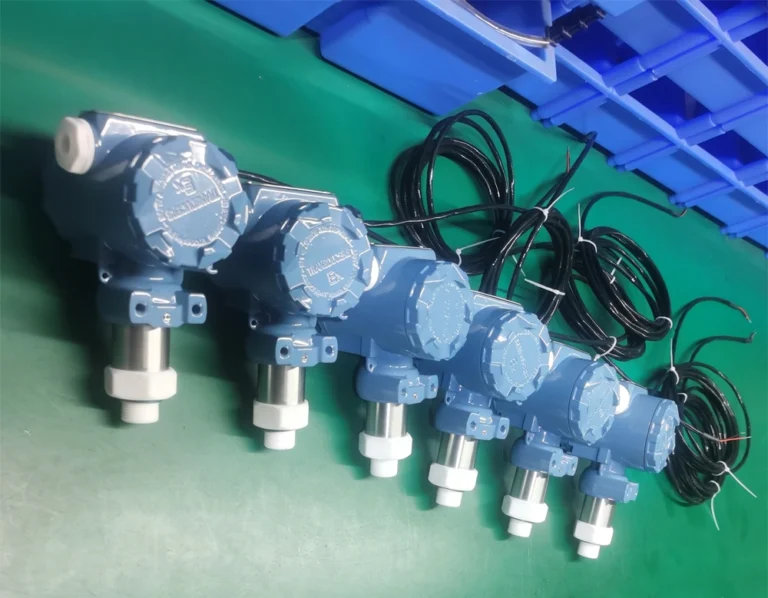
Wetted-material breakpoints by acid, concentration and temperature, the honest limits of ceramic and tantalum, and when a diaphragm seal makes sense.
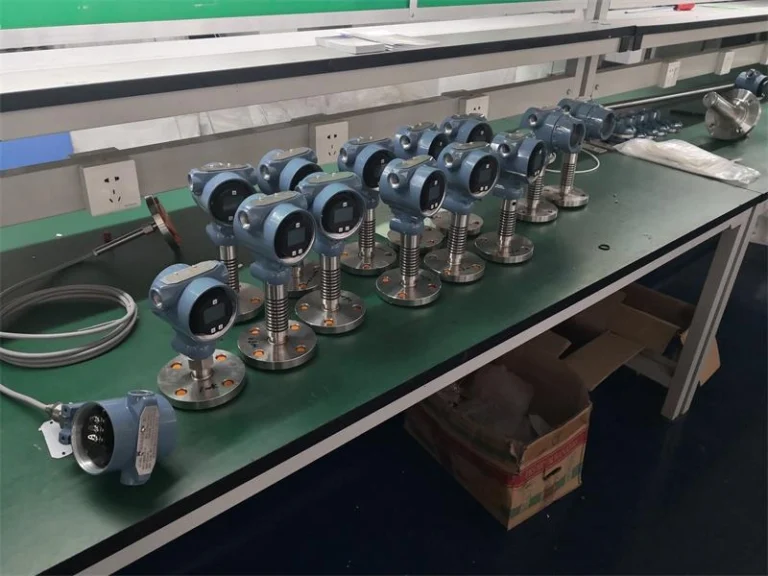
NAMUR NE 43 fault bands on a 4-20 mA loop: the 3.6 mA and 21 mA thresholds, what three manufacturers actually implement, and where the signal gets lost.
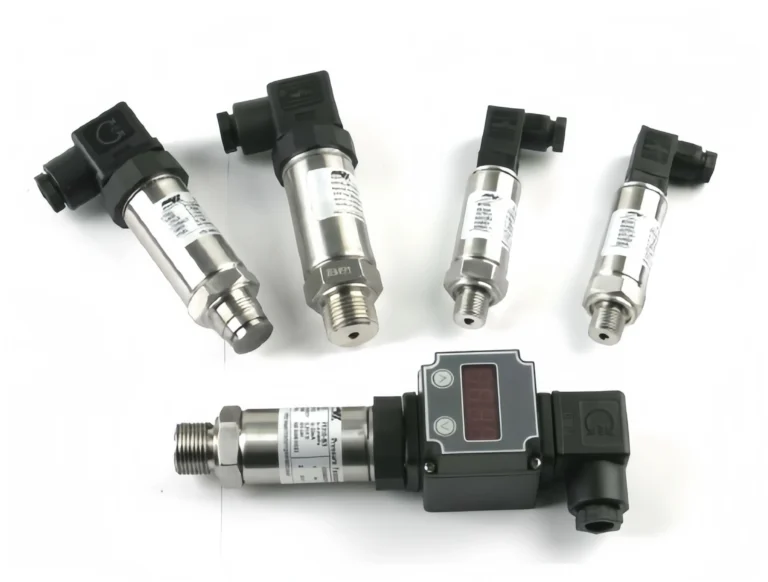
How to select a high pressure transducer: range vs proof and burst pressure, sealing by pressure band, sensor technology, and hydrogen service.
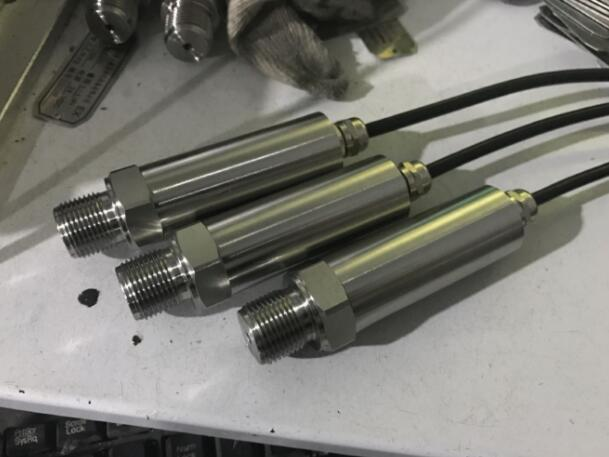
How to spec the right IP rating for a pressure transmitter: the two digits, the IP68 depth caveat, IP-vs-NEMA crosswalk, IP69K washdown, and where water gets in.
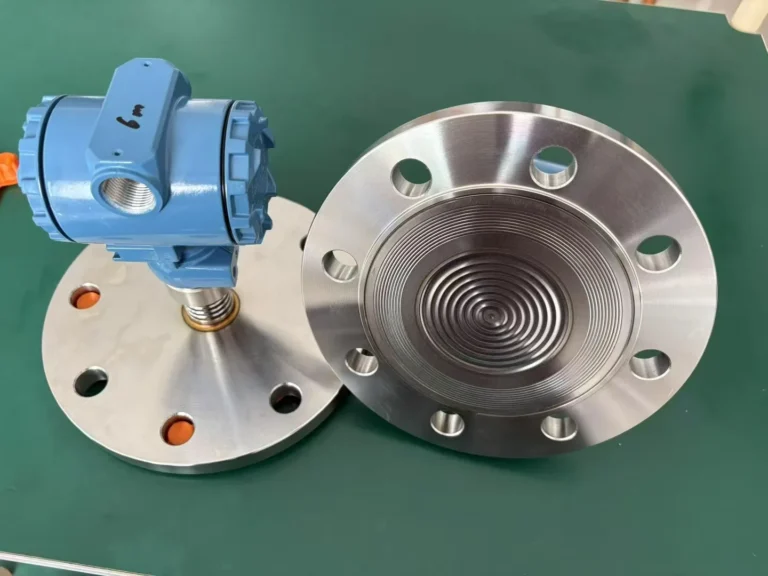
Pressure transmitter turndown ratio explained: how it’s calculated, why re-ranging hurts accuracy, the % of span vs % of URL trap, and how to size the range.
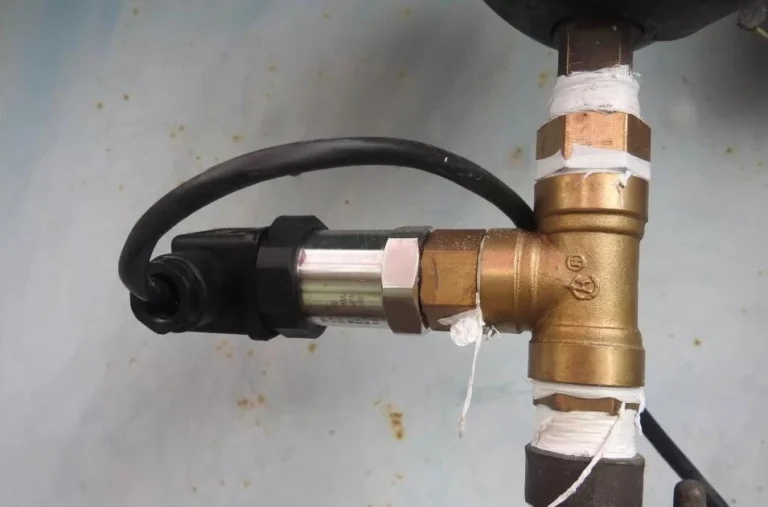
PSI pressure unit definition for engineers — pounds per square inch, conversions, and transmitter selection.
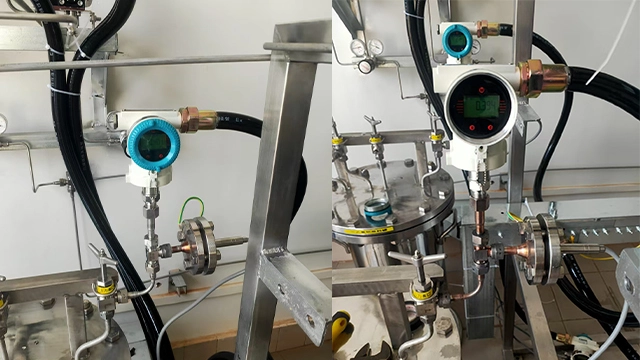
P_abs = P_gauge + P_atm explained for engineers. Three worked examples, altitude correction, unit traps, plus HM27/HE27/HPTM189 selection.
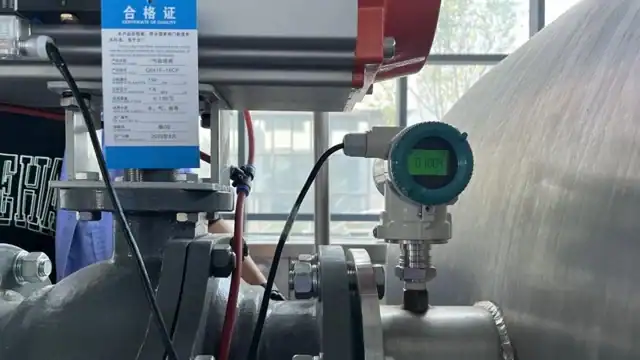
Decode pressure transmitter symbols on a P&ID. PT, PIT, PDT explained with ISA-5.1-2024 updates, bubble conventions, tag number anatomy, and signal line types.
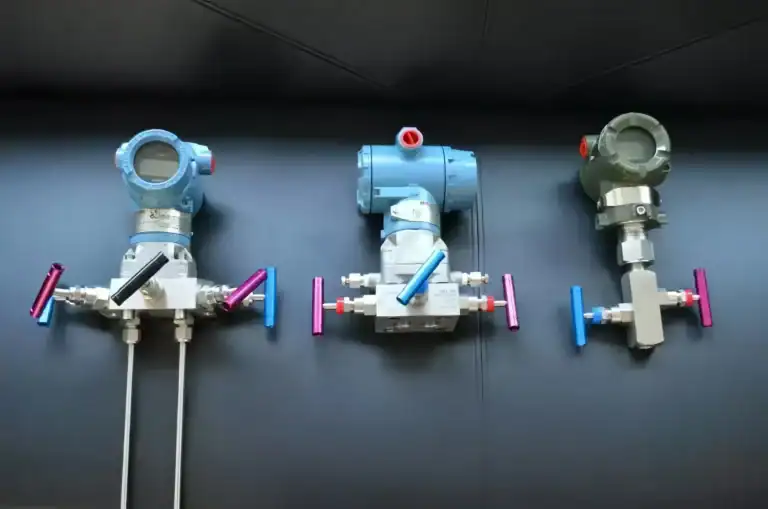
Spec the right valve manifold for your DP transmitter. 2/3/5-valve comparison, decision tree, JJG calibration tie-in, and HMK by-model picks.
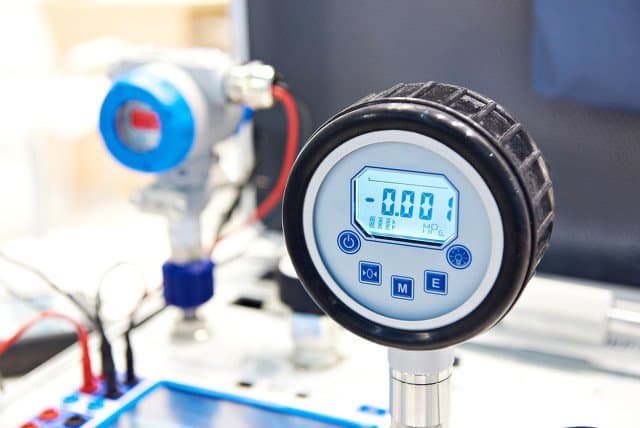
Calibrate a differential pressure transmitter end to end. 5-point Up & Down procedure, HART vs analog, JJG 882-2019 interval, and 5 field traps to avoid.
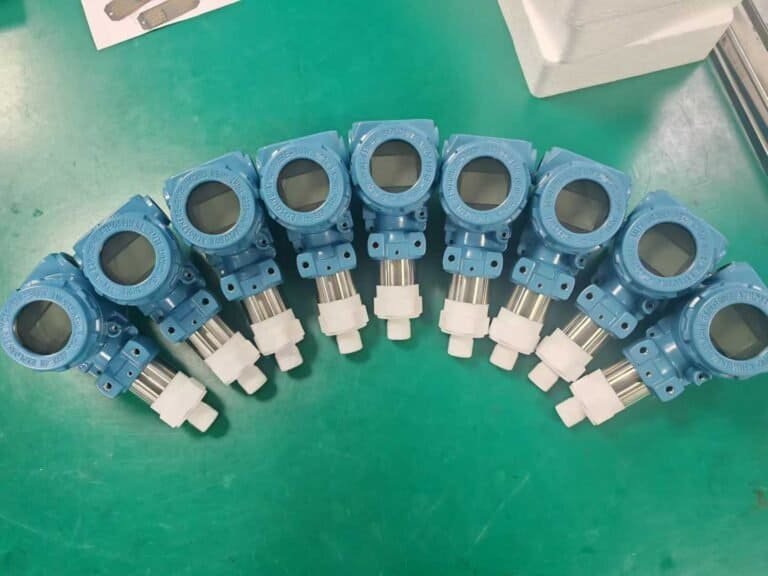
Compare Ex i and Ex d pressure transmitters, decode ATEX, IECEx, and GB 3836 certificates, and pick the right intrinsic-safety spec for Zone 0/1/2 service.
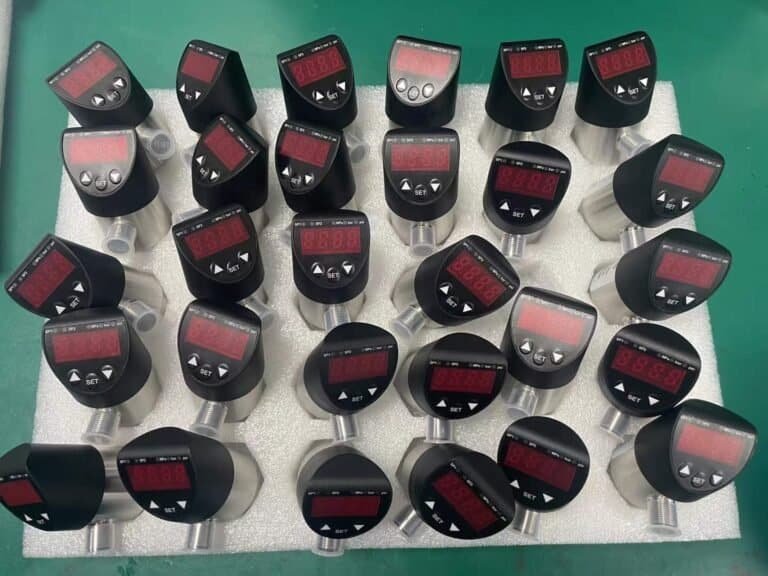
Pressure switch vs transmitter: a five-criterion framework (control, data, SIL, integration, lifecycle) plus HM41 hybrid specs and refinery failure patterns.
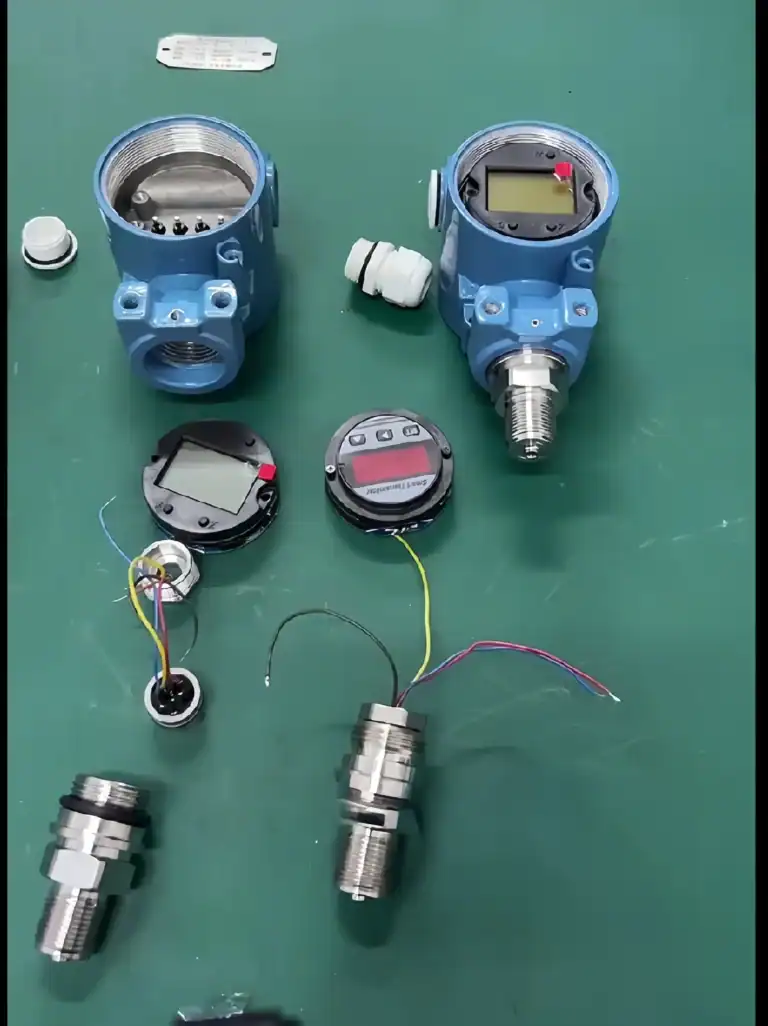
How a pressure transmitter works — the 6-stage signal chain and the 4 sensing technologies (piezoresistive, ceramic, sapphire, MEMS) compared by accuracy, drift, temperature, and cost.
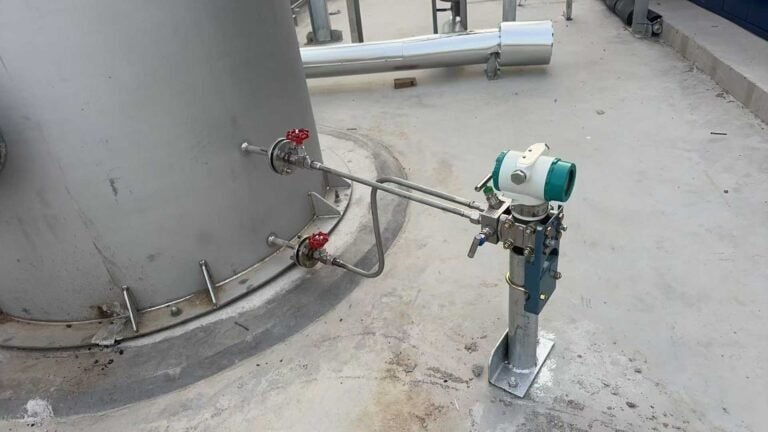
Differential pressure level measurement explained: hydrostatic principle, four install configs (open tank, closed tank dry/wet leg, bubbler), LRV/URV calculation, interface measurement, and how DP compares to radar and guided-wave for refinery, tank farm, and separator service.
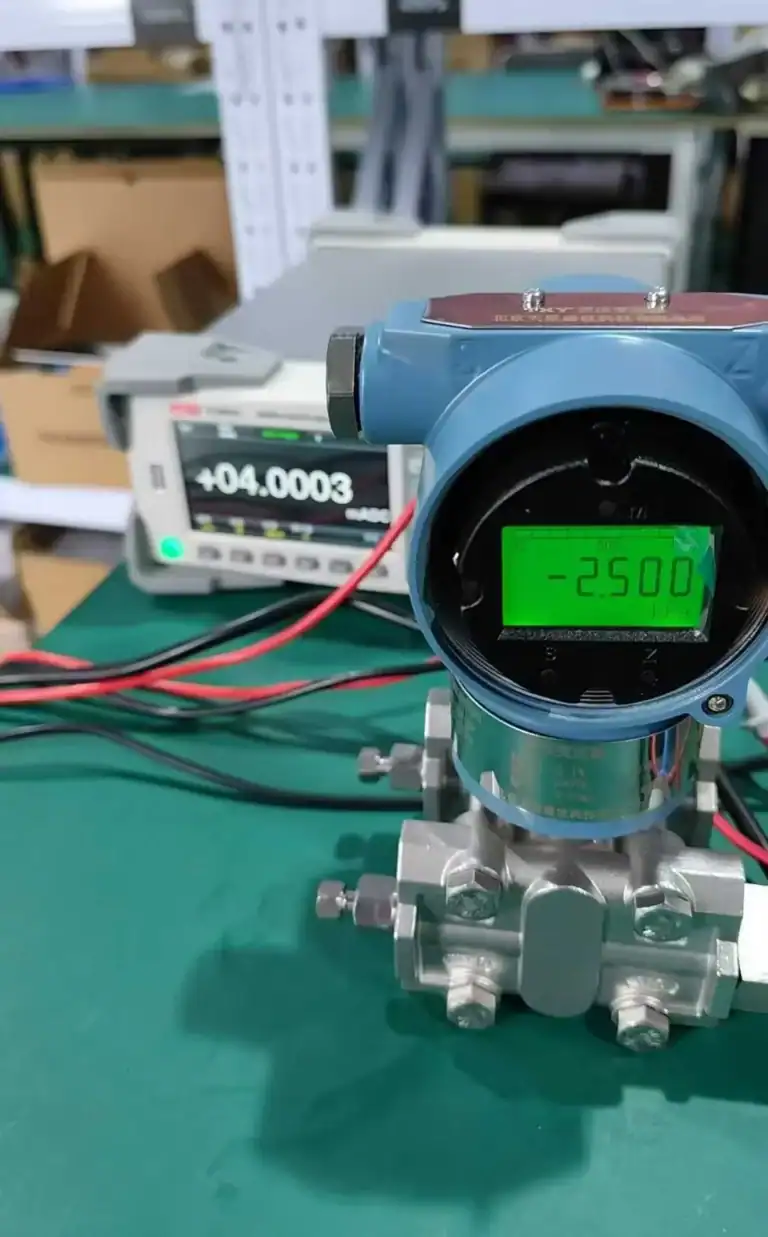
Learn how a differential pressure transmitter works — from ΔP sensing and three sensor technologies (capacitive, diffused silicon, resonant silicon) to static pressure effects and 3-valve manifold startup.
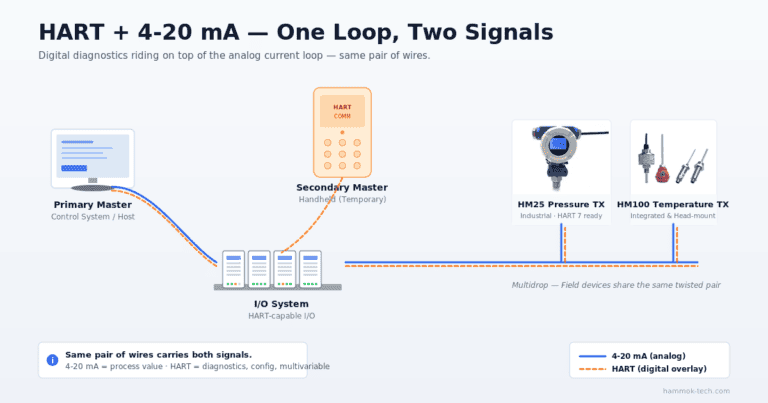
HART isn’t a replacement for 4-20mA — it’s a digital layer on top of it. See when the HART 7 upgrade pays back, and when pure 4-20mA is still enough.