FREE ENGINEERING TOOLS
Pressure Unit Converter
Convert between 15 pressure units instantly. Supports PSI, bar, kPa, MPa, Pa, mbar, inHg, mmHg, atm, kg/cm², inH₂O, mmH₂O, and more. Built for engineers working with industrial pressure transmitters and sensors.
Pressure Unit Conversion Reference Table
This table shows the equivalent values of 1 unit in each row converted to the column unit. Use it as a quick reference when specifying pressure transmitter ranges or verifying sensor calibration. Need only kilopascals to psi? Use the focused kPa to PSI converter — or psi to kPa for the reverse.
| Unit | Pa | kPa | bar | PSI | atm | mmHg |
|---|---|---|---|---|---|---|
| 1 Pa | 1 | 0.001 | 1×10⁻⁵ | 1.45×10⁻⁴ | 9.87×10⁻⁶ | 0.0075 |
| 1 kPa | 1,000 | 1 | 0.01 | 0.1450 | 0.00987 | 7.5006 |
| 1 bar | 100,000 | 100 | 1 | 14.504 | 0.9869 | 750.06 |
| 1 PSI | 6,894.76 | 6.8948 | 0.06895 | 1 | 0.06805 | 51.715 |
| 1 atm | 101,325 | 101.325 | 1.01325 | 14.696 | 1 | 760.00 |
| 1 mmHg | 133.322 | 0.1333 | 0.001333 | 0.01934 | 0.001316 | 1 |
How to Use This Pressure Converter
This converter supports 15 pressure units used across industrial instrumentation, HVAC, hydraulics, and laboratory applications.
Step 1: Enter the pressure value in the input field. The converter accepts integers, decimals, and negative values (for vacuum or gauge pressures below atmospheric).
Step 2: Select the source unit from the dropdown menu. All 15 supported units are listed with their full names and symbols.
Step 3: Read the results instantly. All conversions update in real time. Click any result card to copy the value to your clipboard.
Quick Presets: Use the preset buttons to load common reference values like 1 bar, 14.5 PSI, 100 kPa, or 1 atmosphere.
This tool is useful when configuring pressure transmitter output ranges, verifying calibration certificates, converting between regional unit standards (European bar vs. North American PSI), or comparing specifications across different manufacturers.
Pressure Conversion Formulas
All conversions use the Pascal (Pa) as the base unit, following the International System of Units (SI). Each source value is first converted to Pascals, then from Pascals to the target unit.
| Conversion | Formula | Factor |
|---|---|---|
| bar → Pa | Pa = bar × 100,000 | 1 bar = 10⁵ Pa (exact) |
| PSI → Pa | Pa = PSI × 6,894.757 | 1 lbf/in² = 6,894.757 Pa |
| atm → Pa | Pa = atm × 101,325 | 1 atm = 101,325 Pa (exact) |
| kg/cm² → Pa | Pa = kg/cm² × 98,066.5 | 1 kgf/cm² = 98,066.5 Pa |
| mmHg → Pa | Pa = mmHg × 133.322 | 1 Torr = 133.322 Pa |
| inH₂O → Pa | Pa = inH₂O × 249.089 | at 4°C, 1 inH₂O = 249.089 Pa |
All water column units (mmH₂O, cmH₂O, inH₂O, mH₂O, ftH₂O) are defined at standard gravity (g = 9.80665 m/s²) and water density at 4°C (ρ = 999.972 kg/m³). Mercury column units use standard mercury density at 0°C (ρ = 13,595.1 kg/m³).
RECOMMENDED PRODUCTS
Pressure Transmitters for Your Application
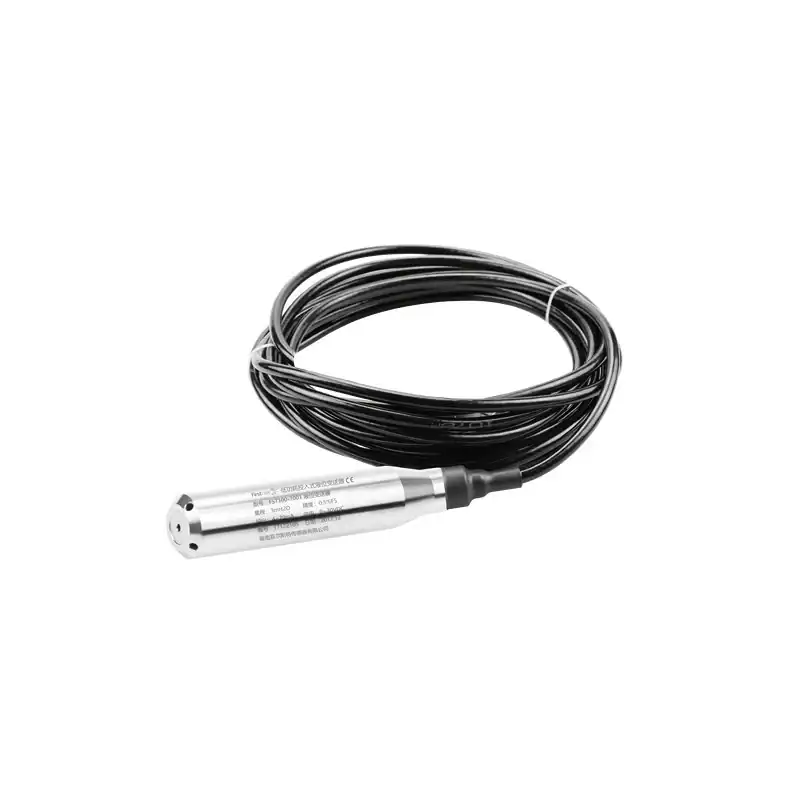
Need accurate pressure measurement? These are our most popular transmitters — all with 4-20mA output, multiple ranges, and factory calibration.
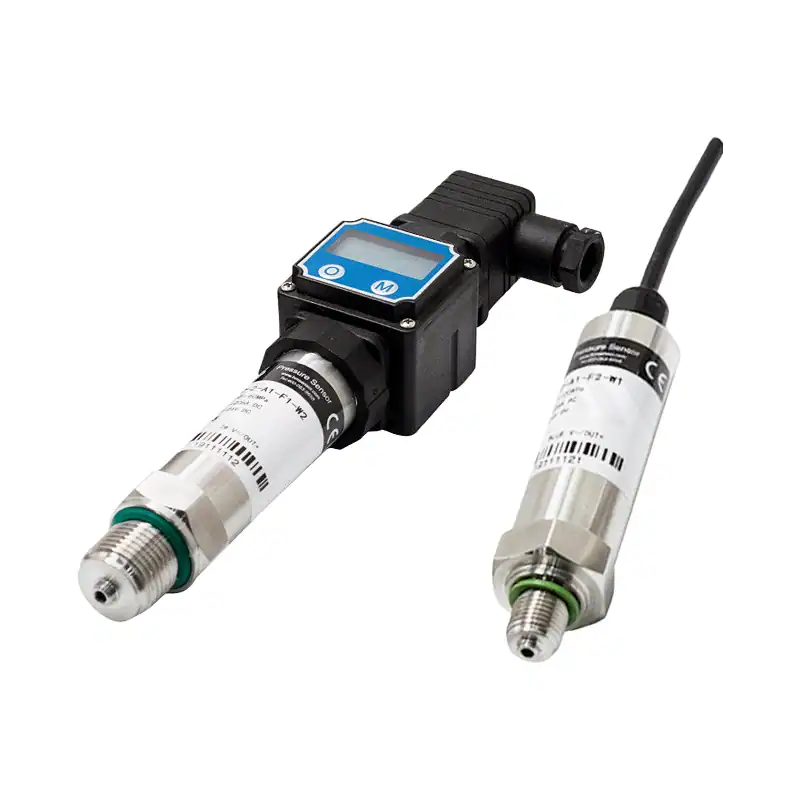
HM20 General Purpose Pressure Transmitter
Workhorse 4-20mA / 0-5V pressure transmitter
- Accuracy: ±0.25% FS over full range
- Output: 4-20mA 2-wire or 0-5V (selectable)
- Range: 0-10 kPa to 60 MPa (gauge / absolute)
- Protection: IP65 / IP67 housing, EMC-compliant
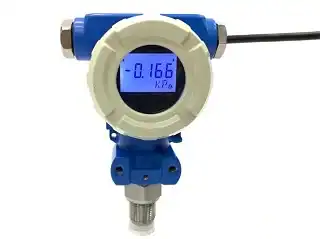
HM25 Industrial Pressure Transmitter (HART)
High-accuracy field-mount transmitter with HART
- Accuracy: ±0.1% FS (5× better than HM20)
- Output: 4-20mA + HART 7 communication
- Range: 0-1 kPa to 100 MPa (gauge / abs / DP)
- Display: Optional field-configurable LCD
Frequently Asked Questions
Recommended Products
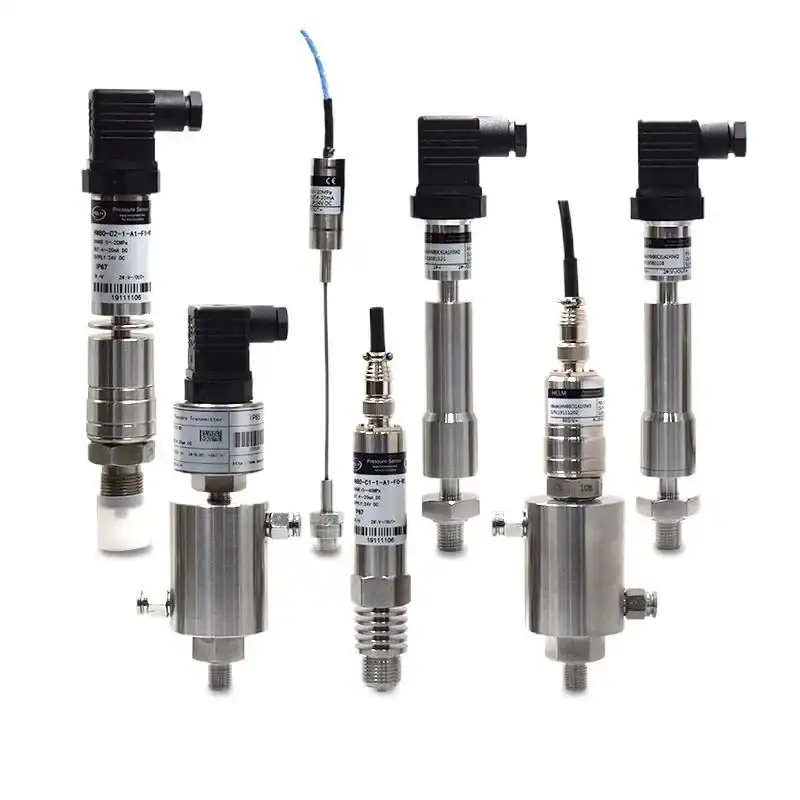
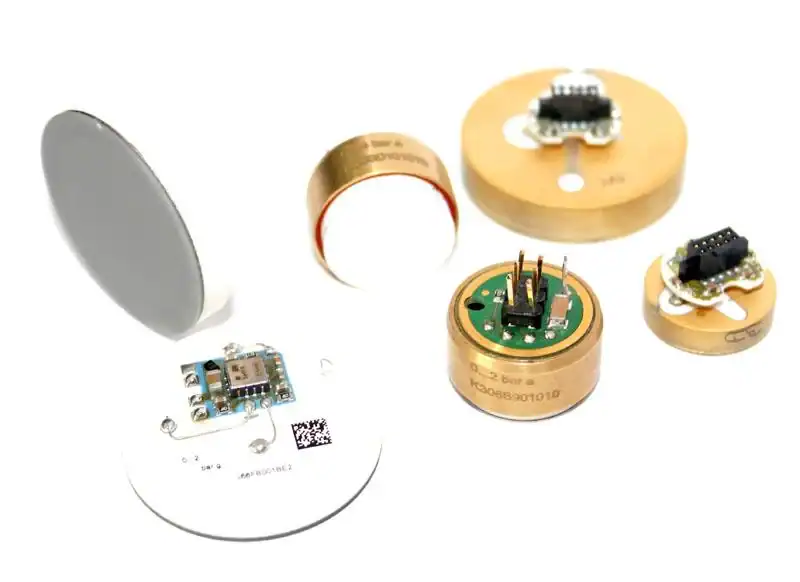
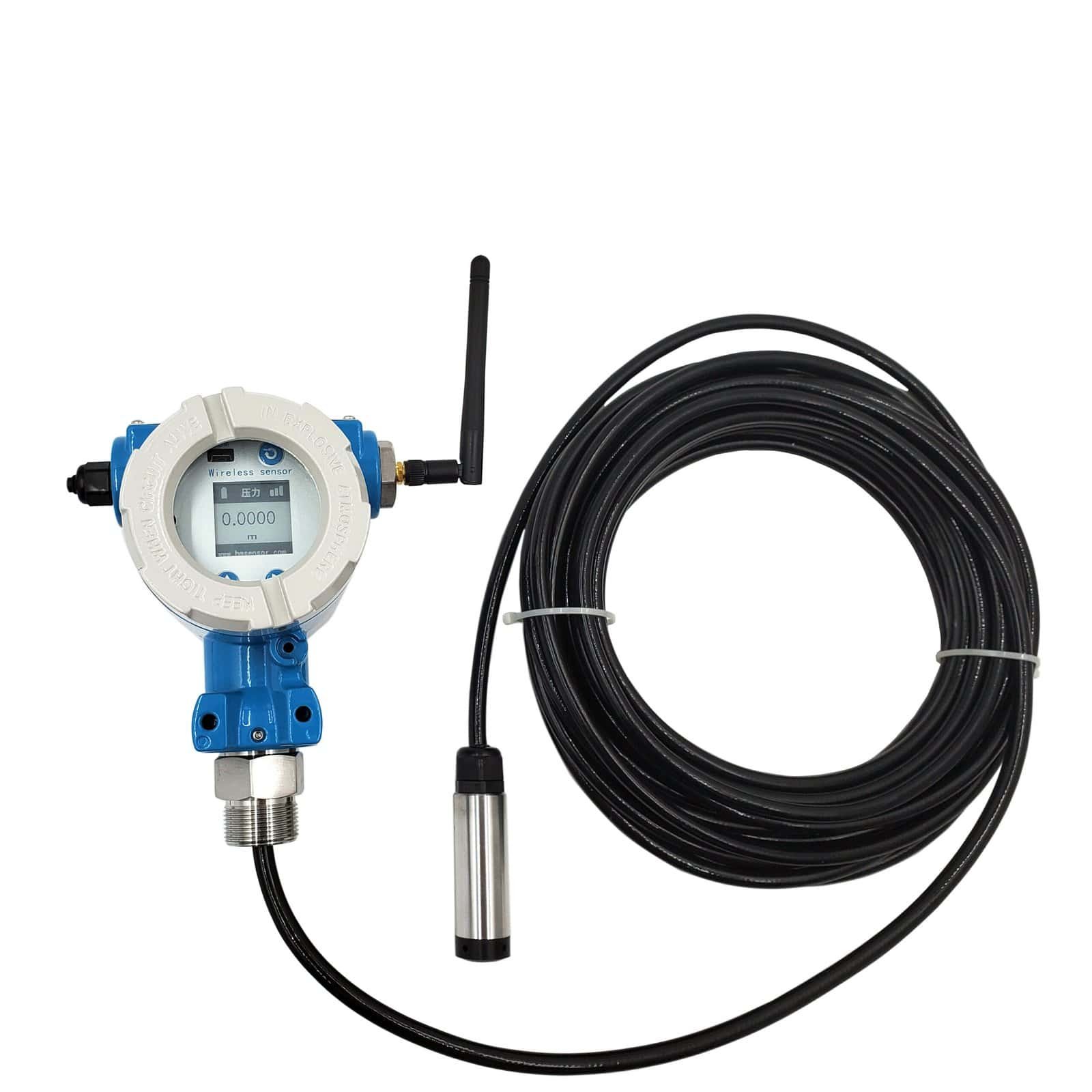
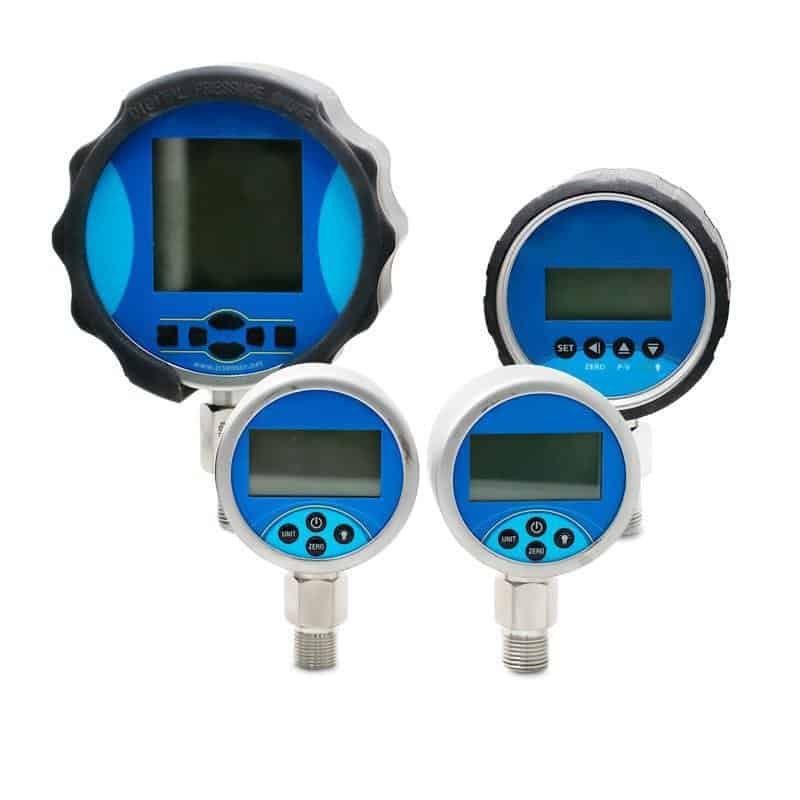
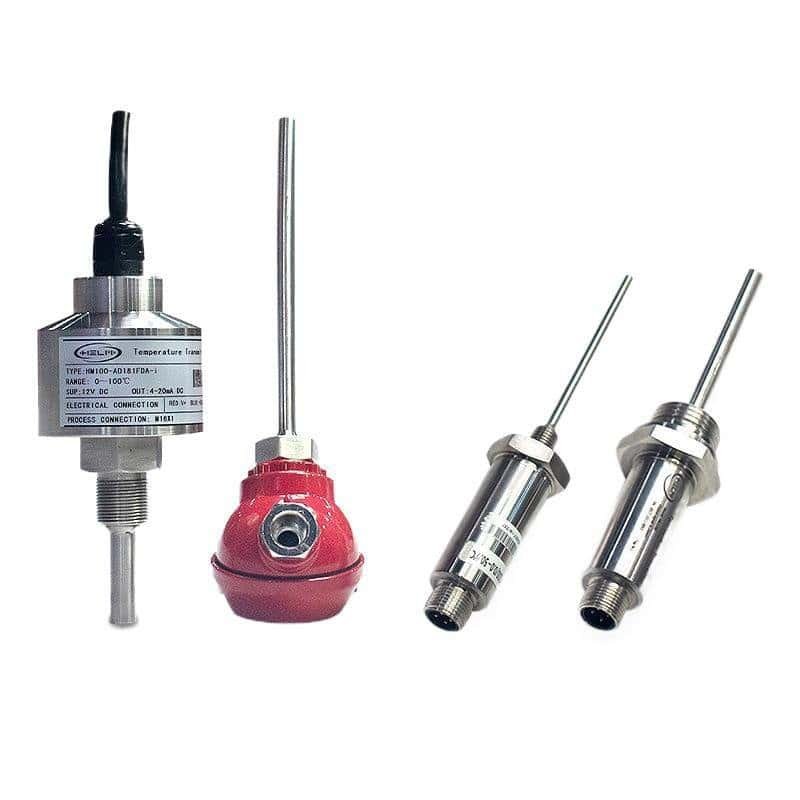
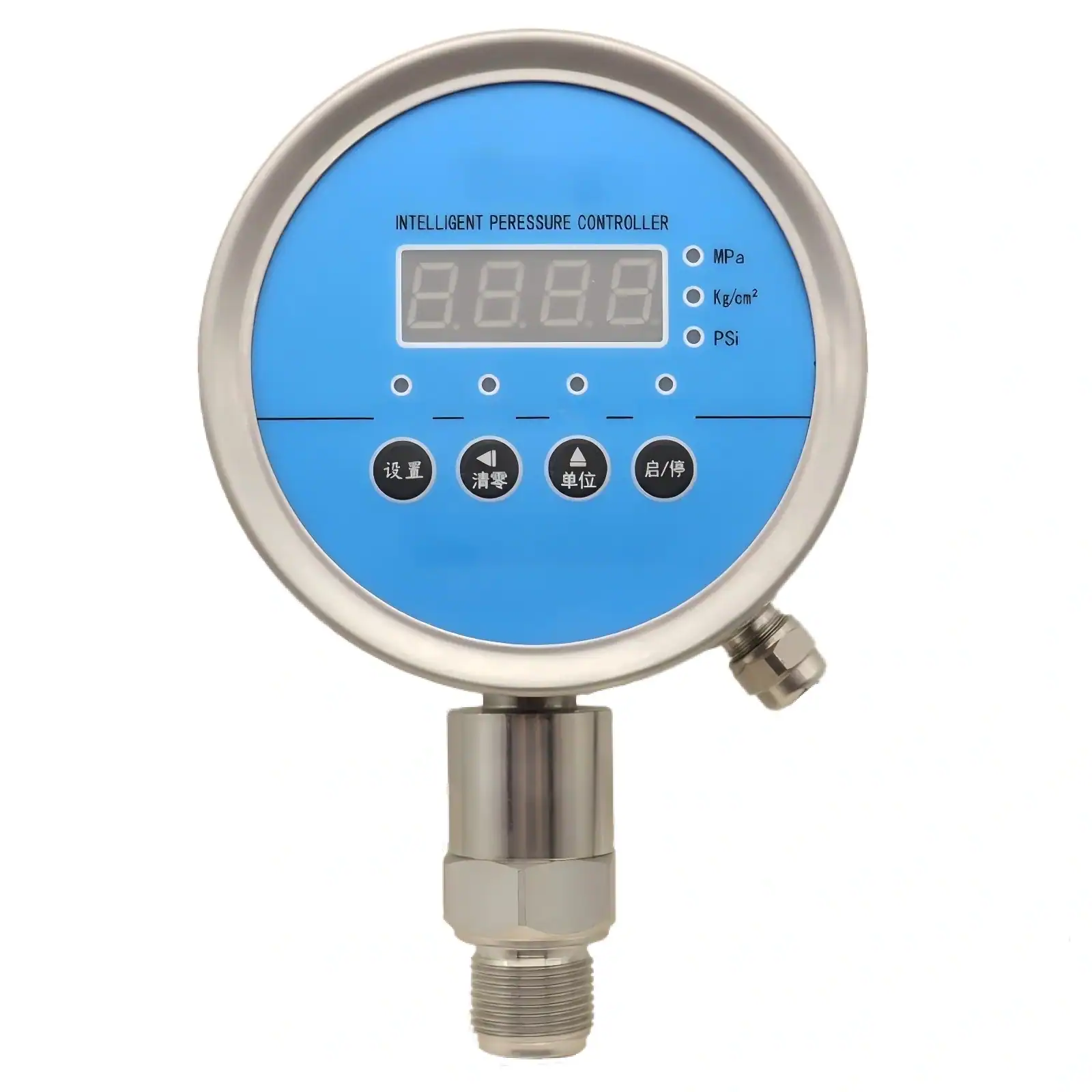
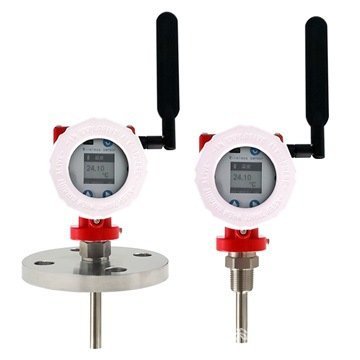
Professional instrumentation products that work with the calculations from this tool.
Need Help Selecting a Pressure Transmitter?
Our engineers can recommend the optimal pressure transmitter for your application, including range, output signal, process connection, and accuracy class. Typical response within 12 business hours.
For ranges below 10 kPa where unit choice changes the spec sheet (Pa vs inWC vs mbar), see the low pressure transducer selection guide — it covers which unit each market expects and why.
Related tools: If you only need a focused single-pair shortcut, jump to PSI to Bar, kPa to PSI, atm to PSI or torr to PSI.
Pressure transmitters across these units
HM20 General Purpose Pressure Transmitter
Gauge or absolute ranges with ±0.25 % FS and a 4–20 mA output. The general-purpose choice for most process lines.
View detailsHM25 Industrial Pressure Transmitter
Industrial transmitter with HART support, built for demanding process environments.
View details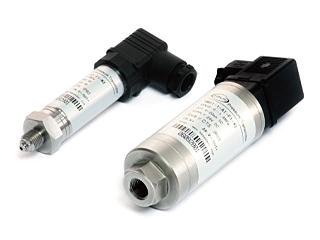
HM29 Digital Intelligent Pressure Transmitter
Digital intelligent transmitter with on-board configuration and diagnostics.
View details