HMK WIRELESS MONITORING SYSTEMS
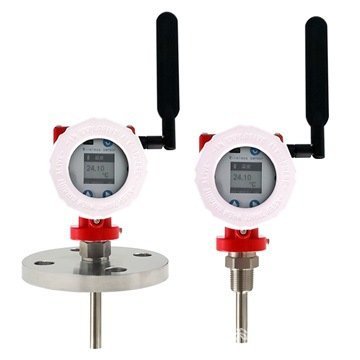
HM110 Wireless Temperature Sensor
Industrial-grade wireless temperature sensor with multiple wireless protocols including NB-IoT, 4G, LoRa, Wi-Fi, Zigbee, and Ethernet. Supports PT100/PT1000 RTD and K/S type thermocouple elements for temperature measurement from -200°C to 1600°C. Ideal for remote monitoring in pipelines, HVAC, hydraulic systems, and industrial process control.
-200~1600°C
Measuring Range
±0.1%FS
Accuracy
7 Wireless
Protocols
IP67
Protection
Overview · Specifications · Key Features · Applications · Ordering Guide · Related Products · FAQ · Get a Quote
Product Overview
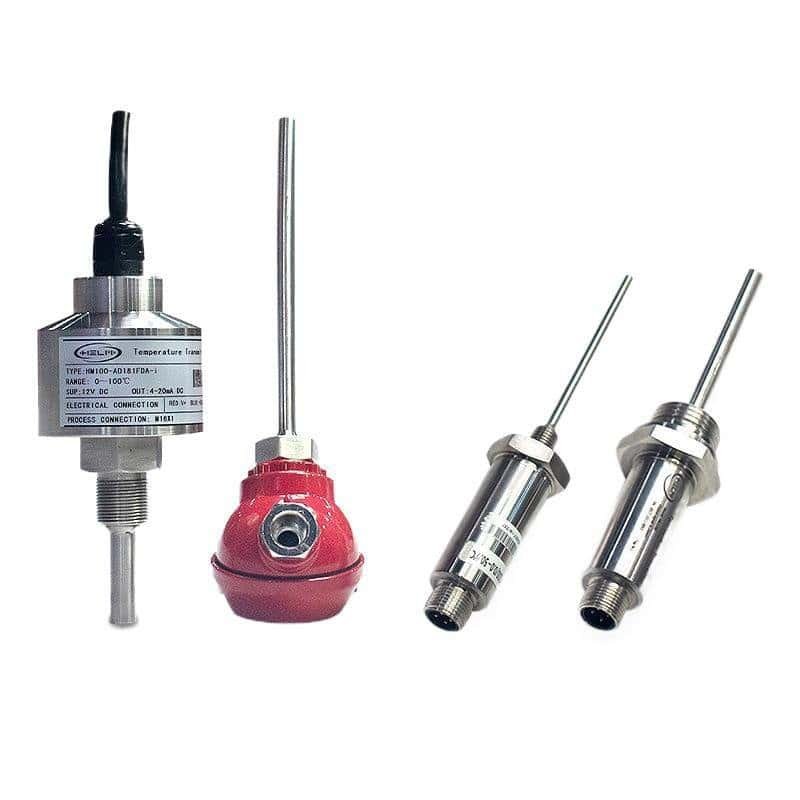
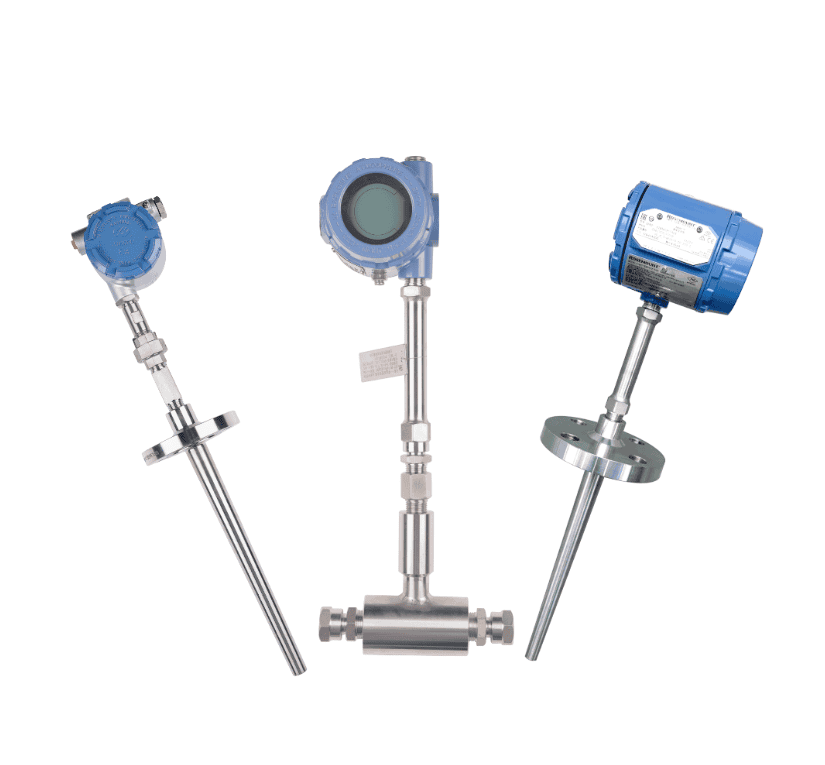
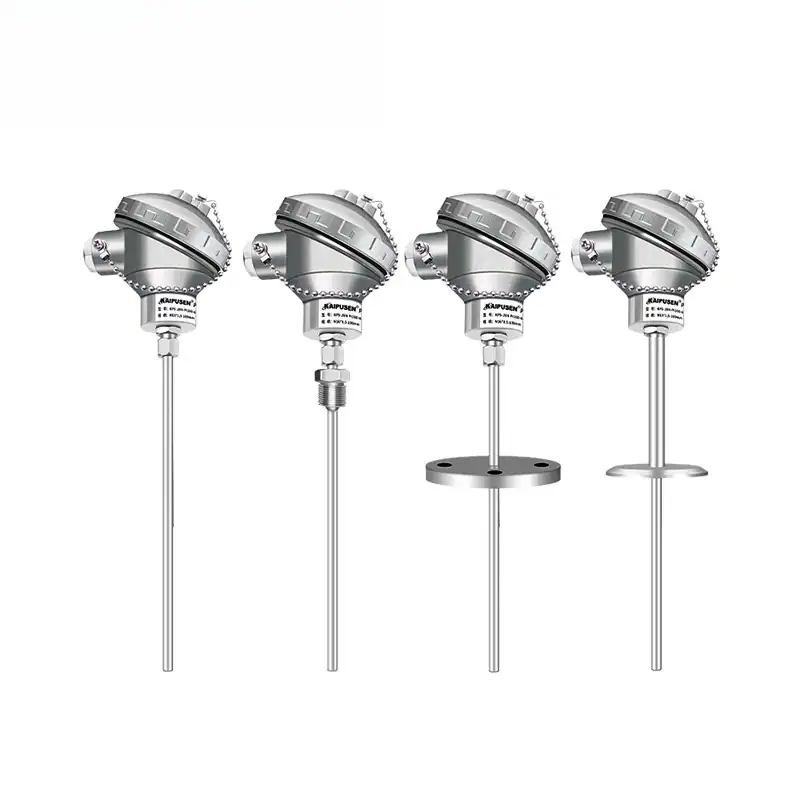
Specifying for the first time? Pair the HM110 wireless platform with the right sensing element by following our two-stage temperature sensor selection framework—covering range, accuracy class, and protection assembly.
The HM110 Wireless Temperature Sensor is a smart industrial-grade sensor designed for remote temperature monitoring across diverse industrial environments. Featuring built-in wireless transmission capabilities, it directly measures temperatures from -200°C to 500°C using PT100/PT1000 RTD elements, or up to 1600°C with K-type and S-type thermocouple elements. The sensor integrates German thin-film resistance technology for exceptional accuracy and fast thermal response.
What sets the HM110 apart is its versatile wireless connectivity. Choose from seven wireless protocols — NB-IoT, 4G, LoRa, Wi-Fi, Ethernet, Zigbee, or Fiber Optic — to match your specific infrastructure requirements. Whether monitoring a single point in a heating system or deploying hundreds of sensors across a large industrial facility, the HM110 adapts to your communication needs.
Built with 304/316L stainless steel wetted parts and IP65/IP67 protection, the HM110 handles demanding environments including high-pressure systems up to 300 bar. Multiple power options — lithium battery (7.4V/5000mAh), DC power (9-36V), or solar panel — provide installation flexibility for both accessible and remote locations. The optional LED display enables on-site temperature reading without additional equipment.
Technical Specifications
| Parameter | Specification |
|---|---|
| Measuring Range | -200°C to +500°C (PT100/PT1000 RTD) 0°C to +1600°C (K-type/S-type Thermocouple) |
| Sensor Type | PT100 (Class A), PT1000 (Class A), K-type Thermocouple, S-type Thermocouple |
| Overall Accuracy | ±0.5%FS (standard) / ±0.25%FS / ±0.1%FS (optional) |
| Long-term Stability | ±0.1%FS / year |
| Response Time | T₅₀: 2.3s, T₉₀: 5.4s (standard probe) T: 1s (Ø1.5mm thermocouple) |
| Temperature Drift | 0.008%FS / °C |
| Wireless Output | NB-IoT, 4G, LoRa, Wi-Fi, Ethernet, Zigbee, Fiber Optic |
| Power Supply | Lithium Battery 7.4V/5000mAh, 9-36V DC, Solar Panel (optional) |
| Pressure Rating | Typical: 40 bar (Max: 300 bar) |
| Ambient Temperature | -40°C to +85°C |
| Storage Temperature | -40°C to +125°C |
| Probe Diameter | Ø6mm, Ø8mm, Ø12mm |
| Wetted Materials | 304 SS, 316 SS, 316L SS (PTFE optional) |
| Process Connection | M20×1.5, G1/4 (custom available) |
| Installation | Insertion type (50mm depth beyond thread, customizable) |
| Protection Grade | IP65 (standard) / IP67 (optional) |
| Vibration Resistance | 10-60Hz, 0.21mm sine wave |
| EMI Resistance | IEC 61000-4-3, 20V/m, 80-1000MHz |
| Display | 5-digit LED (optional) |
| Standards | IEC 584, IEC 1515, GB/T 16839 |
Key Features
Multiple Wireless Protocols
Choose from 7 wireless communication options — NB-IoT, 4G, LoRa, Wi-Fi, Ethernet, Zigbee, and Fiber Optic — to seamlessly integrate with your existing industrial monitoring infrastructure.
Ultra-Wide Temperature Range
Measure from -200°C to 500°C with PT100/PT1000 RTD elements, or up to 1600°C using K-type and S-type thermocouple sensors. One platform covers virtually all industrial temperature applications.
High Accuracy Measurement
Achieves ±0.1%FS accuracy with German thin-film resistance elements. Long-term stability of ±0.1%FS/year and temperature drift of only 0.008%FS/°C ensure reliable readings over extended periods.
Industrial-Grade Protection
IP65/IP67 rated housing with 304/316L stainless steel wetted parts withstands harsh environments. Pressure rating up to 300 bar and vibration resistance (10-60Hz) ensure durability in demanding installations.
Flexible Power Options
Built-in lithium battery (7.4V/5000mAh) for cable-free deployment, 9-36V DC for permanent installations, or solar panel power for remote locations. Low energy consumption extends battery life significantly.
Fast Thermal Response
Response time as fast as 1 second with Ø1.5mm thermocouple probes. Standard probes achieve T₅₀ of 2.3 seconds and T₉₀ of 5.4 seconds — critical for processes requiring real-time temperature monitoring.
Applications
Pipeline & Process Monitoring
Monitor fluid temperatures across extensive pipeline networks without costly wiring. Wireless connectivity enables rapid deployment and real-time data collection from multiple measurement points simultaneously.
HVAC & Building Automation
Track temperatures in air conditioning, ventilation, and heating systems. The wireless design eliminates cable routing through building structures, reducing installation costs and maintenance complexity.
Hydraulic & Pneumatic Systems
Measure hydraulic fluid and compressed air temperatures in real-time. The 300 bar pressure rating and fast response time ensure reliable monitoring even in high-pressure industrial hydraulic circuits.
Water & Hot Water Systems
Monitor supply water and hot water system temperatures for quality control and energy efficiency. Battery-powered operation enables deployment in underground or hard-to-reach water infrastructure.
Cooling & Heating Systems
Track cooling tower water, chiller circuits, and heating loop temperatures remotely. LoRa and NB-IoT protocols provide long-range connectivity for large industrial complexes and distributed facilities.
Industrial IoT & Remote Sites
Deploy across remote oil fields, agricultural facilities, or environmental monitoring stations. Solar-powered option with long-range wireless ensures continuous monitoring without grid power or communication infrastructure.
Ordering Guide
Model Code: HM110 — [Sensor Type] — [Range] — [Accuracy] — [Wireless Output] — [Connection] — [Accessories]
| Code | Options | Description |
|---|---|---|
| Sensor Type | ||
| P | PT100 (Class A) | Platinum RTD, -200°C to +500°C |
| B | PT1000 (Class A) | Platinum RTD, -200°C to +500°C |
| K | K-type Thermocouple | 0°C to +1300°C |
| S | S-type Thermocouple | 0°C to +1600°C |
| Accuracy | ||
| 1 | ±0.5%FS | Standard accuracy |
| 2 | ±0.25%FS | High accuracy |
| 3 | ±0.1%FS | Premium accuracy |
| Wireless Output | ||
| S1 | NB-IoT | Low power wide area network |
| S2 | 4G | Cellular 4G/LTE |
| S3 | LoRa | Long range low power |
| S4 | Wi-Fi | Wireless LAN |
| S5 | Ethernet | Wired network |
| S6 | Zigbee | Mesh network |
| S7 | Fiber Optic | Optical fiber |
| Process Connection | ||
| F1 | M20×1.5 | Male thread |
| F2 | G1/4 | Male thread |
| F0 | Custom | Special requirements |
| Accessories | ||
| J1 | Ø12mm sheath | Insertion depth excl. thread |
| J2 | Ø8mm sheath | Insertion depth excl. thread |
| J3 | Ø6mm sheath | Insertion depth excl. thread |
| K1 | Li battery 7.4V/5000mAh | Battery powered |
| K2 | 9-36V DC | External DC power |
| K0 | Special (e.g. solar) | Custom power supply |
| L2 | 5-digit LED display | On-site display |
Example: HM110P(0~100°C)—1—S1—F1—J3—K1—T(316L) = PT100 sensor, 0-100°C range, ±0.5%FS accuracy, NB-IoT output, M20×1.5 thread, Ø6mm probe, lithium battery, 316L material
Frequently Asked Questions
Need a Wireless Temperature Monitoring Solution?
Our engineering team can help you select the right wireless protocol, sensor type, and configuration for your specific temperature monitoring application. Whether you need a single sensor for a heating system or hundreds of units for a facility-wide IoT deployment, we provide customized solutions with competitive pricing and fast delivery.
Our engineers typically respond within 12 business hours with detailed technical specifications and pricing.