SBW Series
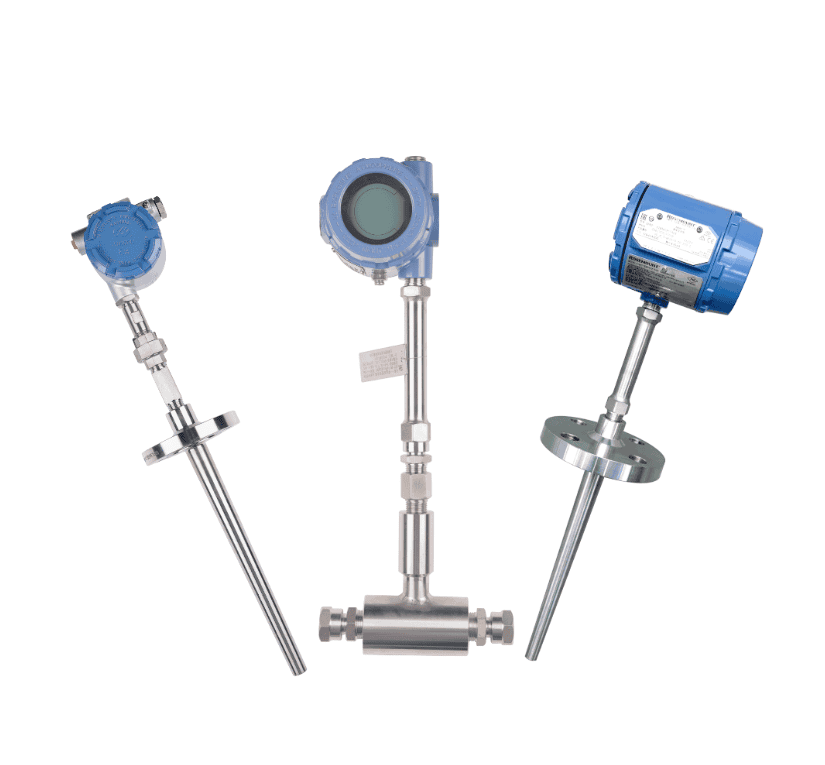
SBW Temperature Transmitter
Compact head-mounted signal conditioning module that converts thermocouple and RTD signals into standardized 4-20mA output for direct DCS, PLC, and SCADA integration. Two-wire loop powered with 2.5kV galvanic isolation and optional HART protocol communication.
Product Overview
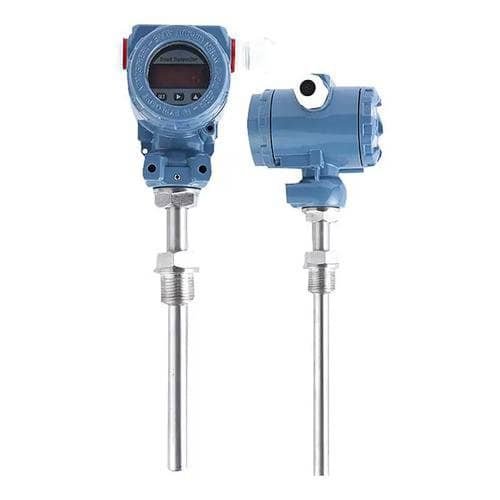
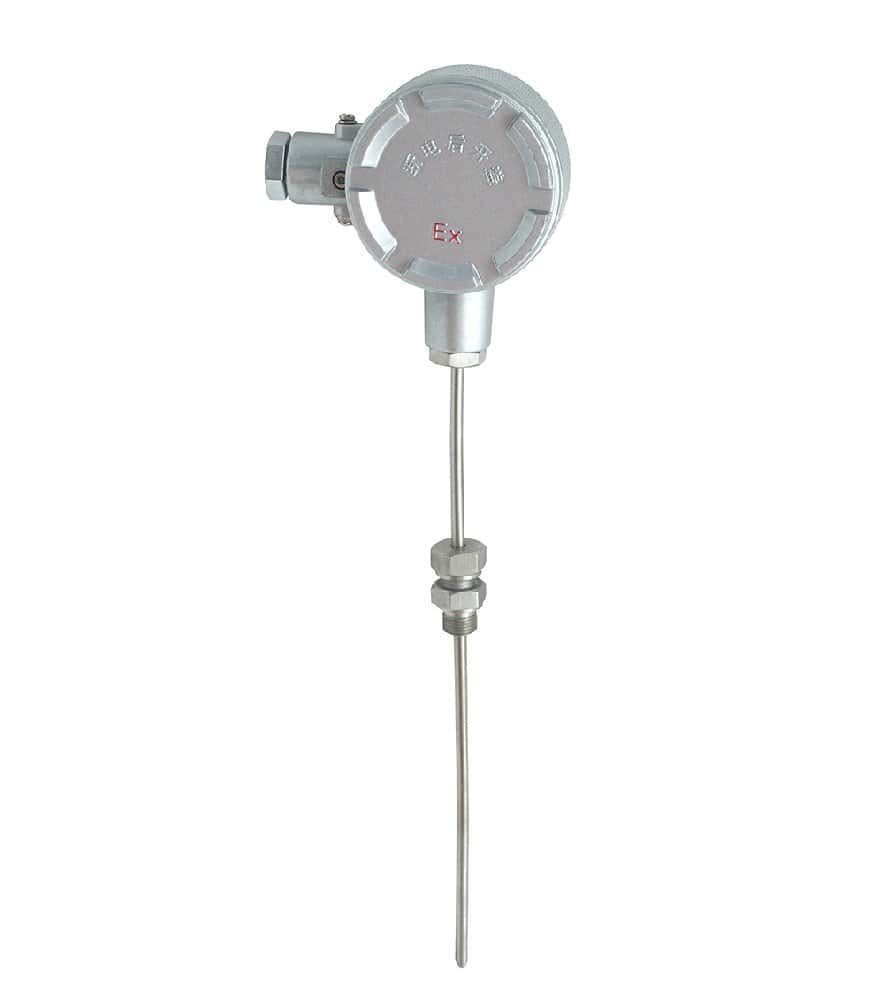
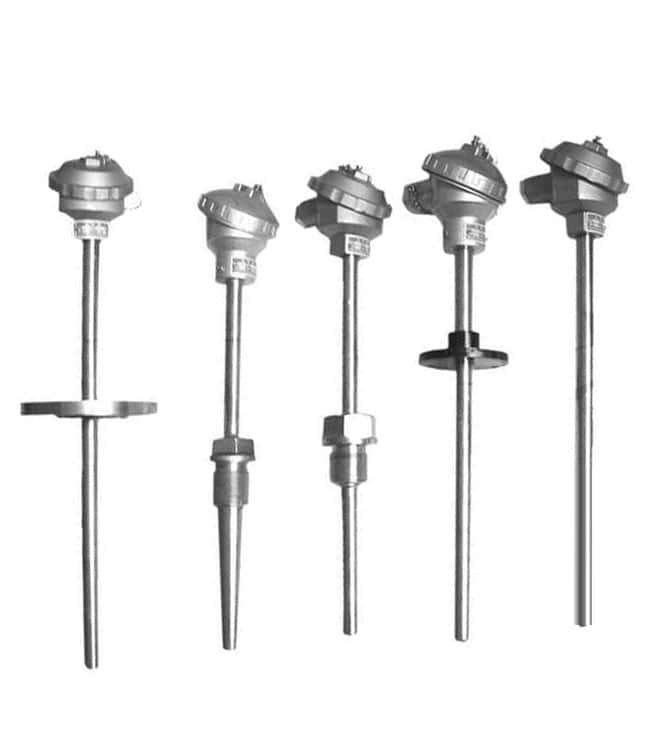
The SBW Series Temperature Transmitter is a compact, head-mounted signal conditioning module that installs directly inside the connection head of industrial thermocouples and thermal resistance (RTD) sensors. As part of the DDZ instrument series, it converts the raw millivolt signal from thermocouples or resistance change from RTDs into a standardized, linearized 4-20mA (or 0-10mA) current loop output for direct connection to DCS, PLC, SCADA, and other control systems.
The transmitter uses a dual-wire transmission mode where the same two conductors carry both the power supply and the output signal, significantly reducing cabling costs compared to traditional three-wire or four-wire configurations. By mounting the transmitter at the sensor location, you eliminate the need for expensive thermocouple extension wire or RTD compensation cables, while also improving signal-to-noise ratio for long cable runs.
The working principle involves converting the sensor’s temperature-dependent signal through a zero-adjustment circuit, thermocouple cold-junction compensation network, and operational amplifier stage. The amplified signal is then processed by a V/I converter to produce the 4-20mA current output, and simultaneously by an A/D converter for the local LCD or LED display. Two linearization methods are employed: positive feedback correction for RTD sensors, and multi-segment approximation for thermocouple sensors.
The intelligent version supports HART protocol communication, enabling remote configuration of sensor type, range, damping, and display orientation via a handheld communicator or PC-based software. The 4-digit LCD display shows the measured process temperature, sensor raw value, output current, and percentage of range, providing comprehensive local diagnostics without additional test equipment.
Technical Specifications
General Specifications
| Parameter | Specification |
|---|---|
| Output Signal | 4-20mA (two-wire) / 0-10mA |
| Supply Voltage | 12.0 ~ 42.4V DC |
| Minimum Supply | 17.75V DC (at 250Ω load) |
| Load Resistance | 250 ~ 1000Ω |
| Galvanic Isolation | 2.5kV (input to output) |
| Display | 4-digit LCD (local temperature readout) |
| TC Input Types | K, E, J, B, S, T, N, R (two-wire) |
| TC Input Voltage | -70mV ~ 1100mV |
| RTD Input Types | Pt10, Pt50, Pt100, Pt200, Pt500, Pt1000 (3/4-wire) |
| Additional RTD | Ni120, Cu10 |
| RTD Resistance Range | 0 ~ 350Ω, 0 ~ 500Ω |
| Max Lead Impedance (TC) | 1.5kΩ |
| Max Compensation (RTD) | 50Ω |
| Millivolt Input | -10 ~ 100mV (0.03mV resolution) |
| Ohmmeter Input | 0 ~ 2000Ω (0.7Ω resolution) |
| Communication | HART protocol (intelligent version) |
| Mounting | Head-mount (inside TC/RTD connection head) or DIN rail |
| Sealing | Silicone rubber / epoxy resin (vibration & moisture resistant) |
RTD Input Accuracy & Range
| Sensor | Range (°C) | Range (°F) | Accuracy (Fixed) | Accuracy (%) | Ambient Temp Effect (Fixed) | Ambient Temp Effect (%) |
|---|---|---|---|---|---|---|
| Pt100 (2-wire) | -200 ~ 850 | -328 ~ 1562 | 0.2°C (0.36°F) | ±0.10 | 0.006°C (0.011°F) | ±0.004 |
| Pt100 (3-wire) | -200 ~ 645 | -328 ~ 1193 | 0.2°C (0.36°F) | ±0.10 | 0.006°C (0.011°F) | ±0.004 |
| Pt200 | -200 ~ 850 | -328 ~ 1193 | 1.17°C (2.11°F) | ±0.10 | 0.018°C (0.032°F) | ±0.004 |
| Pt500 | -200 ~ 850 | -328 ~ 1562 | 0.47°C (0.85°F) | ±0.10 | 0.006°C (0.032°F) | ±0.004 |
| Pt1000 | -200 ~ 300 | -328 ~ 1562 | 0.23°C (0.41°F) | ±0.10 | 0.010°C (0.018°F) | ±0.004 |
| Ni120 | -70 ~ 300 | -94 ~ 572 | 0.16°C (0.29°F) | ±0.10 | 0.004°C (0.007°F) | ±0.004 |
| Cu10 | -50 ~ 250 | -58 ~ 482 | 2°C (3.60°F) | ±0.10 | 0.06°C (0.108°F) | ±0.004 |
Thermocouple Input Accuracy & Range
| TC Type | Range (°C) | Range (°F) | Accuracy (Fixed) | Accuracy (%) | Ambient Temp Effect (Fixed) | Ambient Temp Effect (%) |
|---|---|---|---|---|---|---|
| B | 100 ~ 1820 | 212 ~ 330 | 1.5°C (2.70°F) | ±0.10 | 0.056°C (0.101°F) | ±0.004 |
| E | -50 ~ 1000 | -58 ~ 1832 | 0.4°C (0.72°F) | ±0.10 | 0.016°C (0.029°F) | ±0.004 |
| J | -180 ~ 760 | -292 ~ 1400 | 0.5°C (0.90°F) | ±0.10 | 0.016°C (0.029°F) | ±0.004 |
| K | -200 ~ 1300 | -292 ~ 2502 | 0.5°C (0.90°F) | ±0.10 | 0.02°C (0.036°F) | ±0.004 |
| N | -200 ~ 1300 | -328 ~ 2372 | 0.8°C (1.44°F) | ±0.10 | 0.02°C (0.036°F) | ±0.004 |
| R | 0 ~ 1768 | 32 ~ 3214 | 1.2°C (2.16°F) | ±0.10 | 0.06°C (0.108°F) | ±0.004 |
| S | 0 ~ 1768 | 32 ~ 3214 | 1°C (1.80°F) | ±0.10 | 0.06°C (0.108°F) | ±0.004 |
| T | -200 ~ 400 | -328 ~ 752 | 0.5°C (0.90°F) | ±0.10 | 0.02°C (0.036°F) | ±0.004 |
Key Features
Universal Sensor Input
Accepts 8 thermocouple types (K, E, J, B, S, T, N, R) and 7 RTD types (Pt100/200/500/1000, Ni120, Cu10) plus millivolt and ohm inputs—one transmitter covers virtually all industrial temperature sensors.
2.5kV Galvanic Isolation
Enhanced isolation voltage of 2.5kV between input and output protects downstream equipment from ground loops, electrical noise, and transient surges common in industrial environments.
HART Protocol Communication
Intelligent version supports HART protocol for remote configuration of sensor type, range, damping, and diagnostics via handheld communicator or PC-based asset management software.
Two-Wire Loop Powered
Operates on 12~42.4V DC using the same two wires for both power supply and 4-20mA signal output, cutting cable costs in half compared to three-wire or four-wire configurations.
Cold Junction Auto-Compensation
Built-in automatic cold junction compensation for thermocouple inputs eliminates the need for external reference junction hardware, ensuring accurate readings across ambient temperature variations.
Vibration & Moisture Resistant
Sealed with silicone rubber or epoxy resin for reliable operation in harsh field conditions including vibration, humidity, and temperature extremes encountered in heavy industrial plants.
Applications
Petrochemical & Refining
Retrofit existing thermocouple and RTD installations with 4-20mA output for DCS integration. The head-mount design fits standard connection heads used throughout petroleum refineries.
Metallurgy & Steel
Type B and S thermocouple inputs handle high-temperature measurement up to 1820°C for furnace monitoring, ladle tracking, and continuous casting temperature control.
Power Generation
Two-wire loop power eliminates costly cable runs in large power plants. HART communication enables centralized calibration and diagnostics from the control room.
Food & Pharmaceutical
Pt100 RTD input with ±0.2°C accuracy satisfies regulatory requirements for pasteurization, sterilization, and cold chain monitoring in GMP-regulated facilities.
Test Equipment & Panels
Compact form factor allows use as a function module in test benches, calibration rigs, and instrument panels where space is limited and standardized signal output is required.
Chemical & Textile
Wide sensor compatibility and 2.5kV isolation make this transmitter suitable for the diverse temperature measurement points found in chemical reactors, dyeing processes, and drying equipment.
Frequently Asked Questions
Need Help Selecting the Right Temperature Transmitter?
Our technical specialists are ready to help you find the perfect solution for your temperature measurement application. We provide expert guidance on sensor selection, transmitter configuration, and integration support.
Our engineers typically respond within 12 business hours with detailed technical specifications and pricing.
Related reading: when to pick head mount vs DIN rail — a seven-criterion decision guide for picking head mount or DIN rail temperature transmitters.