How to Calibrate a Pressure Transmitter: A Field Procedure
Step-by-step pressure transmitter calibration: the 5-point method, what each point should read in mA, pass/fail scoring, and why re-ranging isn’t calibration.
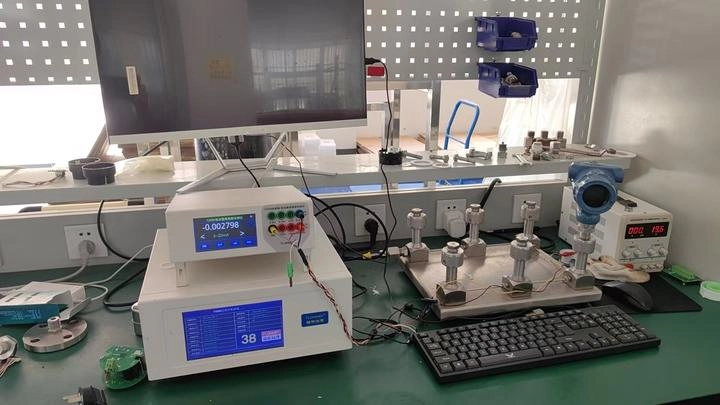
Step-by-step pressure transmitter calibration: the 5-point method, what each point should read in mA, pass/fail scoring, and why re-ranging isn’t calibration.
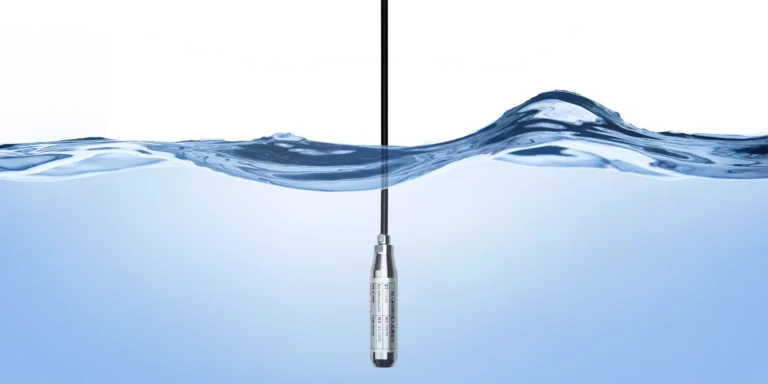
Hydrostatic level measurement uses P=ρgh to read tank level. Learn the physics once, then jump to the right deep-dive — submersible probe or DP transmitter — for your tank.
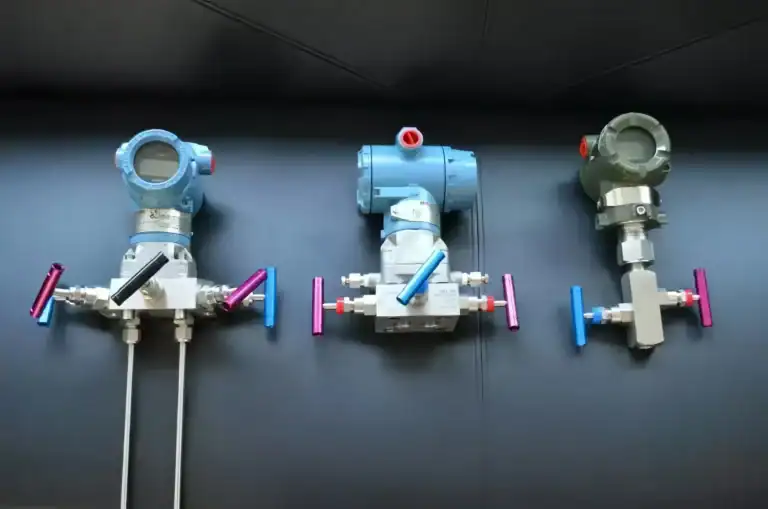
Spec the right valve manifold for your DP transmitter. 2/3/5-valve comparison, decision tree, JJG calibration tie-in, and HMK by-model picks.
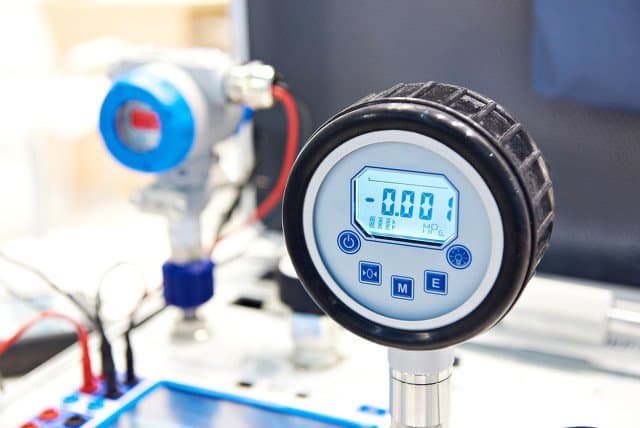
Calibrate a differential pressure transmitter end to end. 5-point Up & Down procedure, HART vs analog, JJG 882-2019 interval, and 5 field traps to avoid.
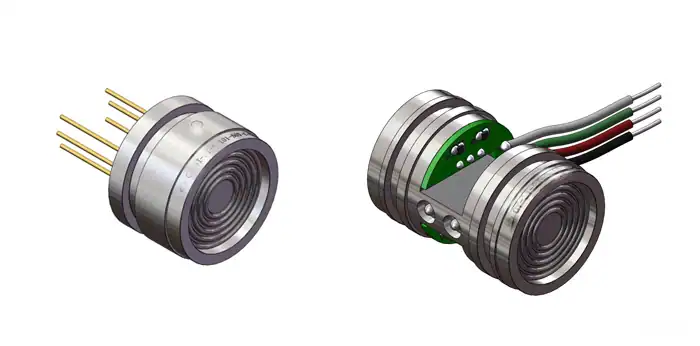
Compare piezoresistive and capacitive pressure sensors head-to-head: physics, accuracy, temperature drift, media compatibility, and a 4-branch decision framework to pick the right cell.
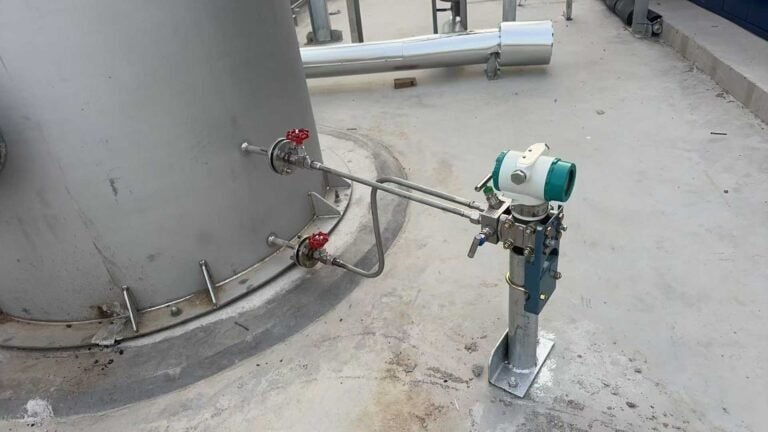
Differential pressure level measurement explained: hydrostatic principle, four install configs (open tank, closed tank dry/wet leg, bubbler), LRV/URV calculation, interface measurement, and how DP compares to radar and guided-wave for refinery, tank farm, and separator service.
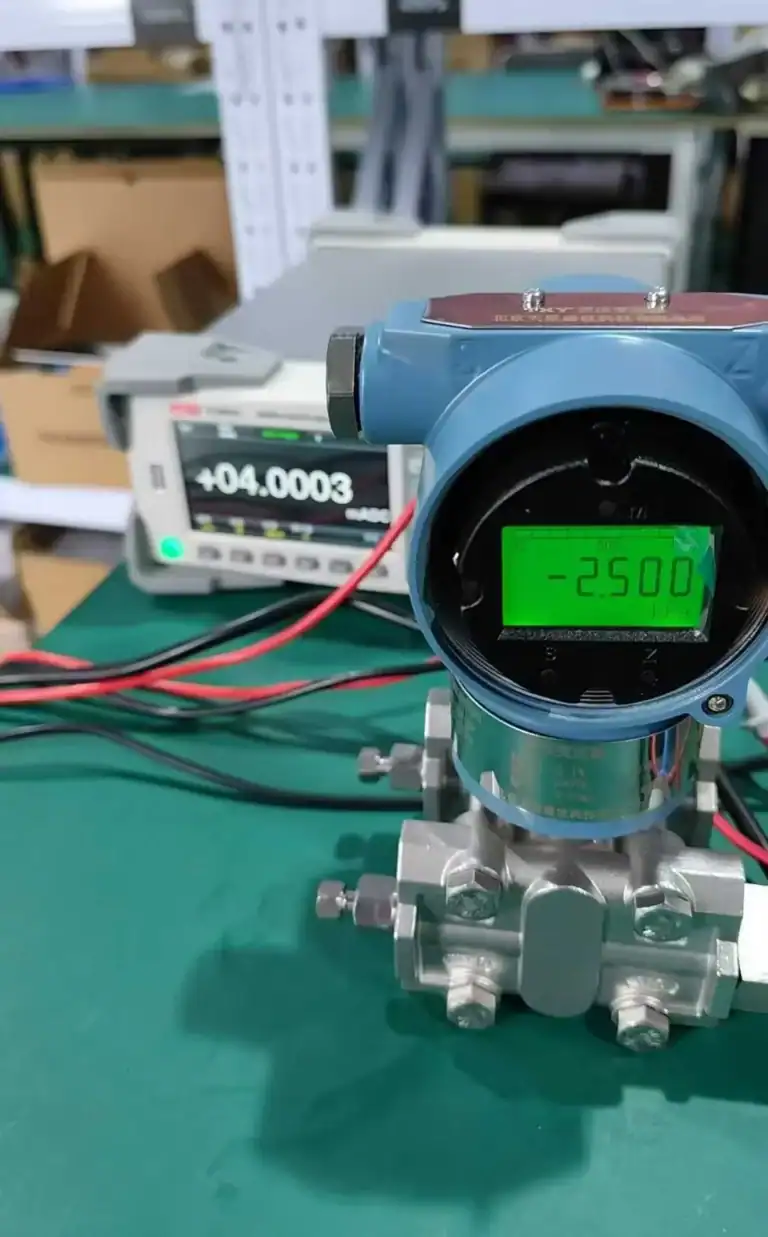
Learn how a differential pressure transmitter works — from ΔP sensing and three sensor technologies (capacitive, diffused silicon, resonant silicon) to static pressure effects and 3-valve manifold startup.