FREE ENGINEERING TOOLS
Hydrostatic Pressure Calculator
Calculate hydrostatic pressure (P = ρgh) for any liquid at any depth. Essential for sizing submersible level transmitters, tank pressure sensors, and dam monitoring systems. Supports water, seawater, diesel, hydraulic oil, and custom fluids. For the full principle and how to spec a level setup, see our hydrostatic level measurement guide.
Hydrostatic Pressure Calculator
The Hydrostatic Pressure Formula
Hydrostatic
Pressure (Pa)
Fluid Density
(kg/m³)
Gravitational
Acceleration (m/s²)
Depth/Height
of Fluid (m)
The hydrostatic pressure formula calculates the pressure exerted by a column of fluid at rest. This pressure depends on three factors: the density of the fluid, the gravitational acceleration at the location, and the vertical height (depth) of the fluid column above the measurement point.
This principle is the foundation for submersible level measurement. A pressure sensor placed at the bottom of a tank measures the hydrostatic pressure, which is directly proportional to the liquid level. By knowing the fluid density, the sensor can accurately calculate the level. This is why accurate density data is critical for precise level measurement.
Key assumptions: The formula assumes the fluid is incompressible (constant density), at rest (no flow), and that the measurement point is vented to atmosphere (gauge pressure). For absolute pressure, add atmospheric pressure (~101,325 Pa) to the result.
Worked Examples
5-Meter Water Storage Tank
A water treatment plant needs to measure the pressure at the bottom of a 5m tall water tank at 20°C.
P = 998 × 9.81 × 5
P = 48,951.9 Pa = 48.95 kPa
≈ 7.10 psi ≈ 0.490 bar
Diesel Storage Tank Level
A fuel depot monitors diesel level in a 12m tall vertical storage tank using a submersible transmitter.
P = 840 × 9.81 × 12
P = 98,884.8 Pa = 98.88 kPa
≈ 14.34 psi ≈ 0.989 bar
Seawater Depth at 50 Meters
An oceanographic sensor is deployed at 50m depth in seawater to measure the water column pressure.
P = 1025 × 9.81 × 50
P = 502,762.5 Pa = 502.76 kPa
≈ 72.92 psi ≈ 5.028 bar
Common Fluid Density Reference
The table below lists commonly used fluid densities at standard conditions. Use these values as reference when calculating hydrostatic pressure. Note that fluid density varies with temperature and composition — always verify with actual process data for critical applications.
RECOMMENDED PRODUCTS
Hydrostatic Level & DP Transmitters
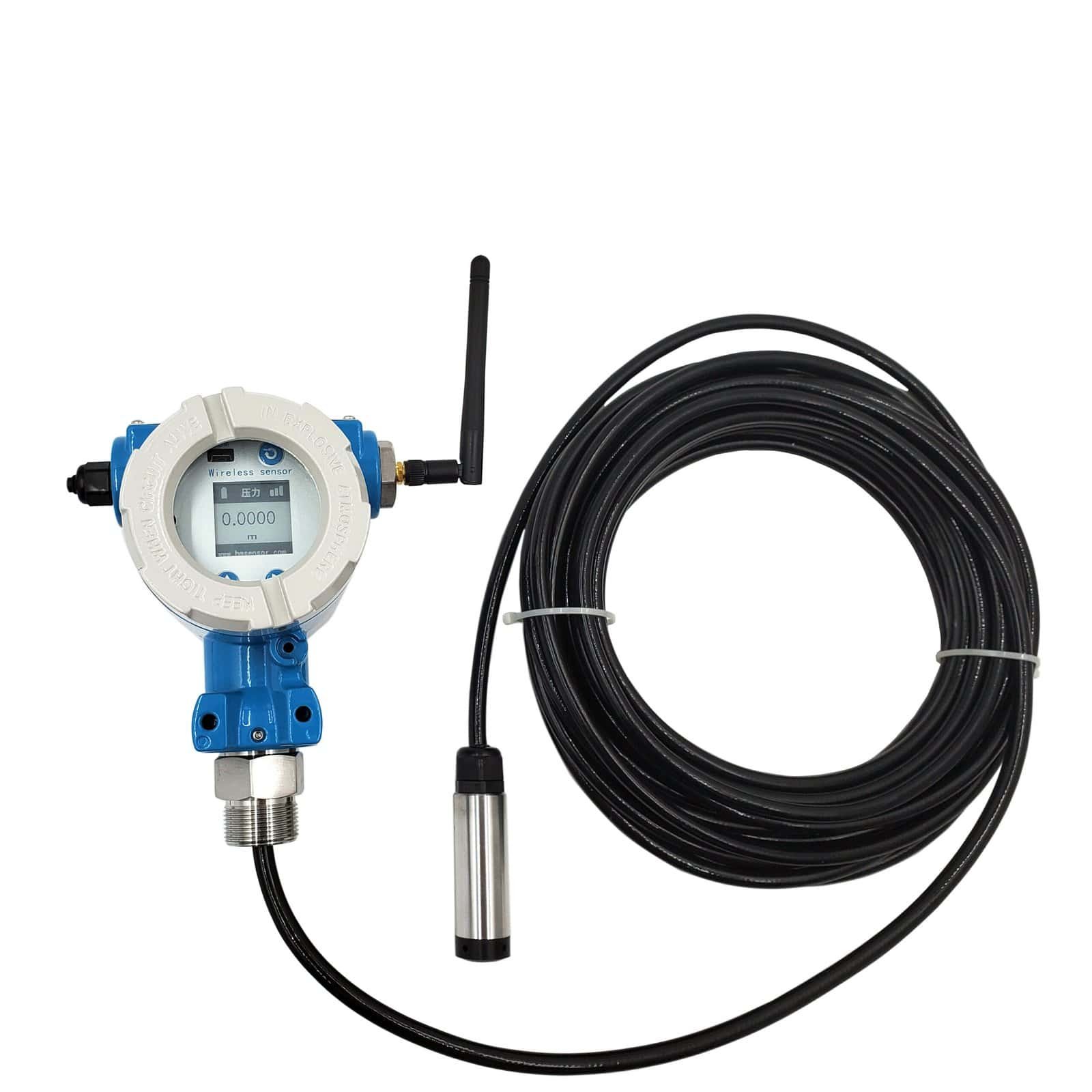
Measure what you just calculated. These two transmitters use hydrostatic or differential-pressure principles to convert liquid column height into a 4-20mA signal.
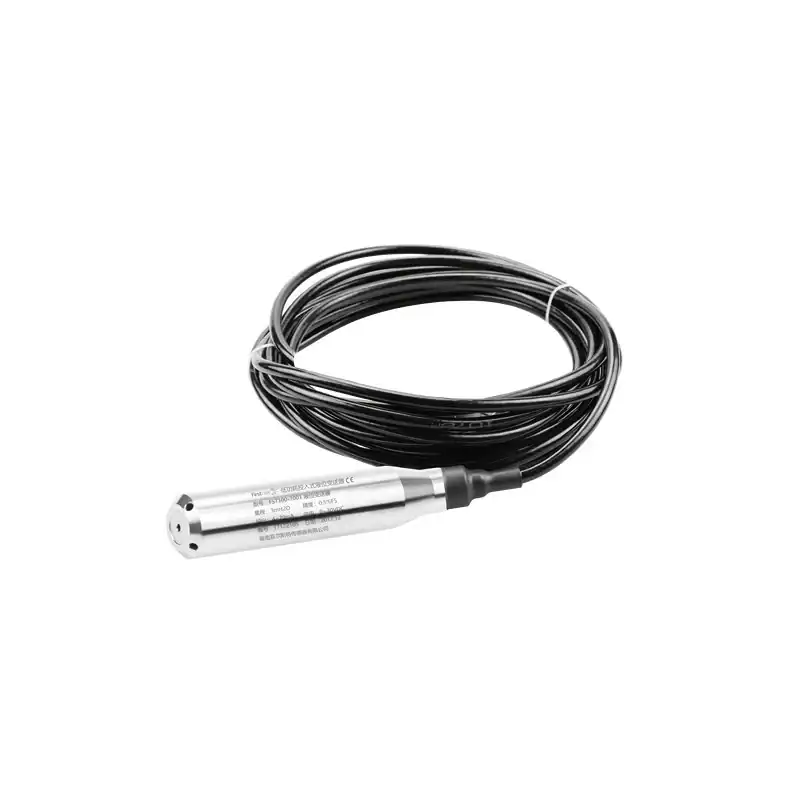
HM21 Submersible Level Transmitter
Direct-immersion hydrostatic level probe
- Principle: Hydrostatic pressure (P = ρgh), direct immersion
- Range: 0-0.5 m to 0-200 m water column
- Accuracy: ±0.25% FS, ±0.1% FS option
- Housing: 316L stainless, IP68, vented-cable compensation
HM3051 Smart DP Transmitter (HART)
Capacitive differential-pressure transmitter for tank level
- Principle: DP-based level (closed / open tanks, interface)
- Accuracy: ±0.1% FS, turndown 100:1
- Output: 4-20mA + HART 7, factory re-ranging
- Wetted parts: 316L SST / Hastelloy / Tantalum options
Frequently Asked Questions
Recommended Products
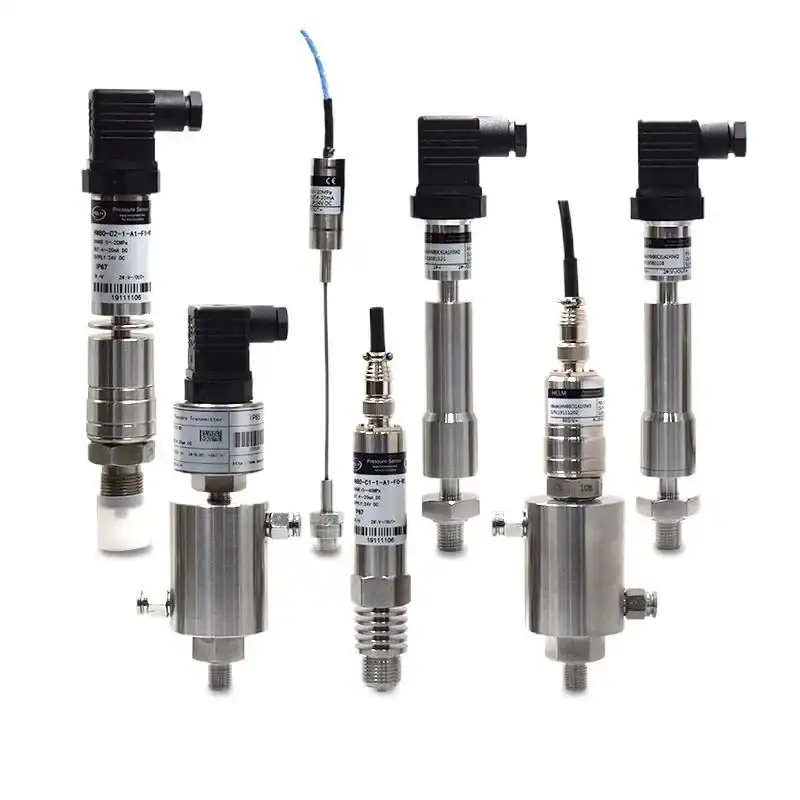
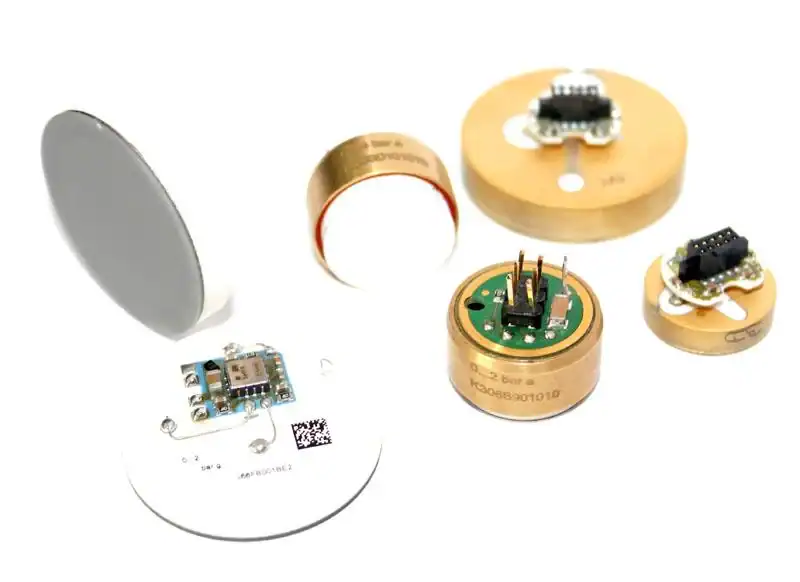
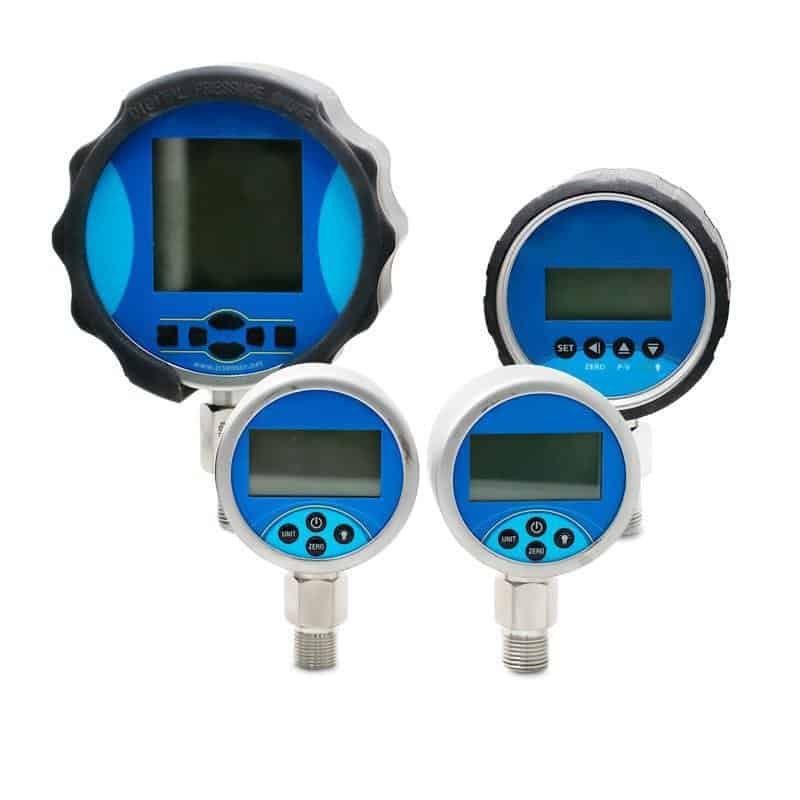
Professional instrumentation products that work with the calculations from this tool.
Need Help Sizing a Level Transmitter?
Our engineers can help you select the right submersible level transmitter for your tank, well, or open channel application. Share your fluid type, depth range, and process conditions — we will recommend the optimal solution with detailed specifications and pricing.
Our engineers typically respond within 12 business hours with detailed technical specifications and pricing.
For shallow-tank hydrostatic level (sub-1 m water column ≈ sub-10 kPa), see the low pressure transducer selection guide — the rules at low pressure differ from full-process DP measurement.
Related tool: Need to flip between PSI and bar in head pressure? The PSI to Bar Converter handles the unit step instantly.
Related tool: Once you have the level, our tank volume calculator converts that depth into stored volume for horizontal, vertical and spherical tanks.
Level transmitters for hydrostatic measurement
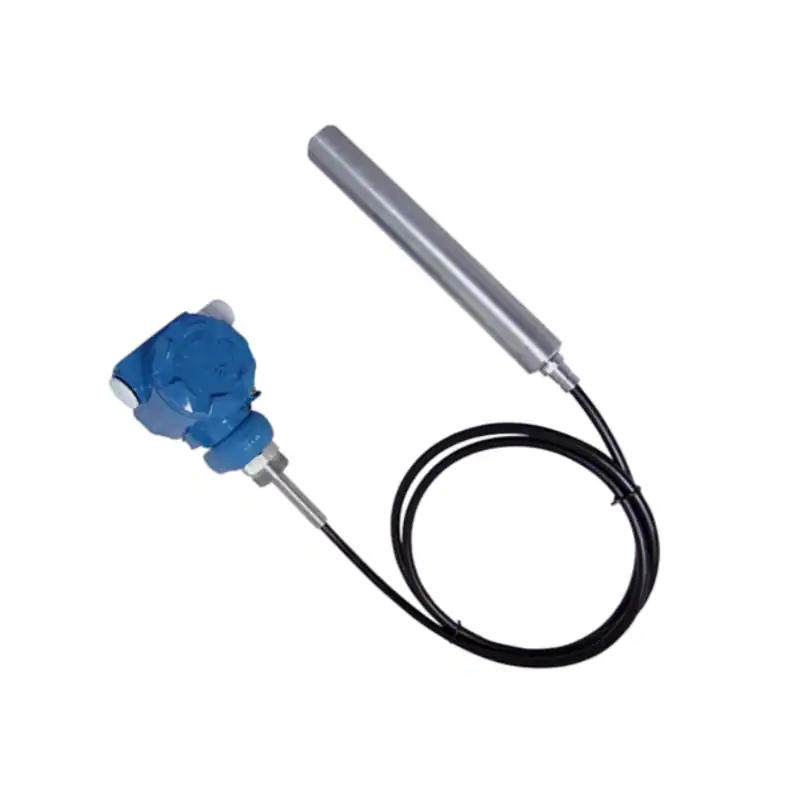
HM21 Submersible Level Transmitter
Submersible level transmitter for wells, tanks and open channels.
View details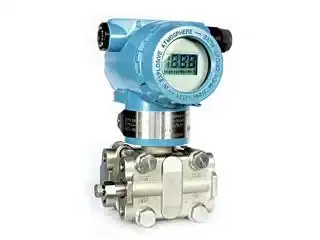
HM3051 Smart DP Transmitter
Smart DP transmitter with digital compensation for level and flow duty.
View details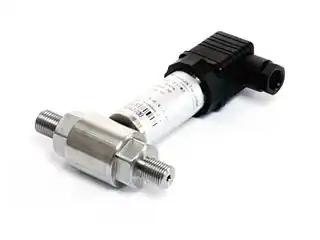
HM31 Differential Pressure Transmitter
Differential pressure transmitter for flow, level and filter monitoring.
View details