Pressure Gauge Accuracy Class: 0.1 to 4.0 Selection Guide
ASME B40.100, EN 837-1, and GB/T 1226-2017 accuracy class ladder explained: 9 grades, the 4:1 calibration rule, and a 5-factor decision matrix for industrial selection.
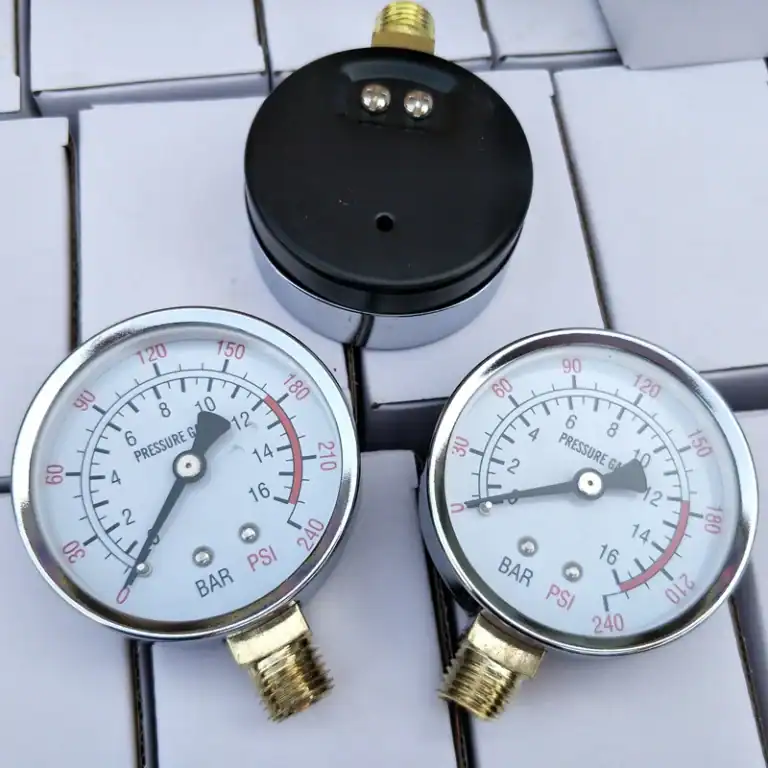
ASME B40.100, EN 837-1, and GB/T 1226-2017 accuracy class ladder explained: 9 grades, the 4:1 calibration rule, and a 5-factor decision matrix for industrial selection.
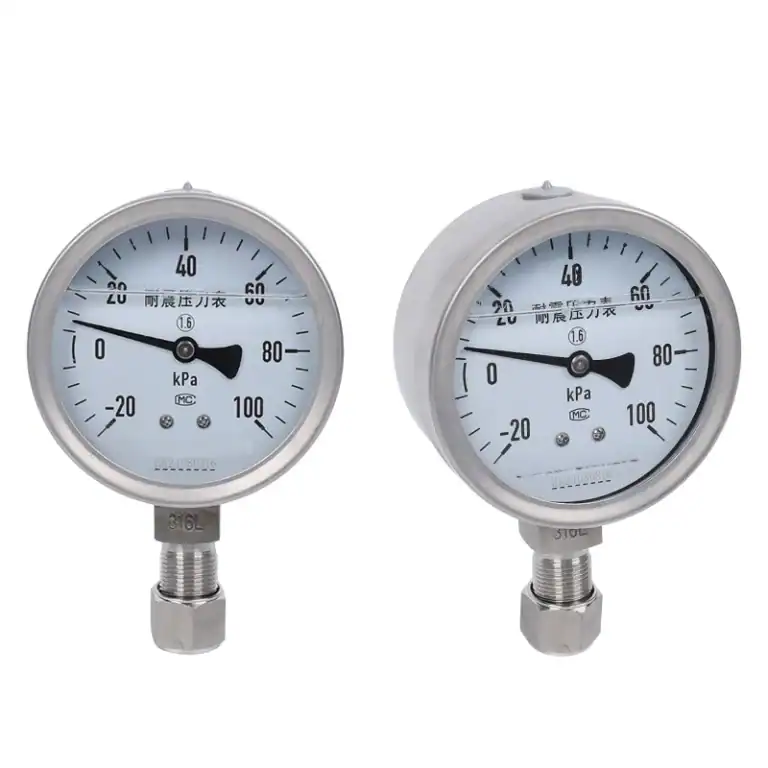
Negative pressure gauges in HVAC, cleanrooms, hospital isolation rooms, refrigeration, boiler draft, and automotive. Typical readings + instrument selection.
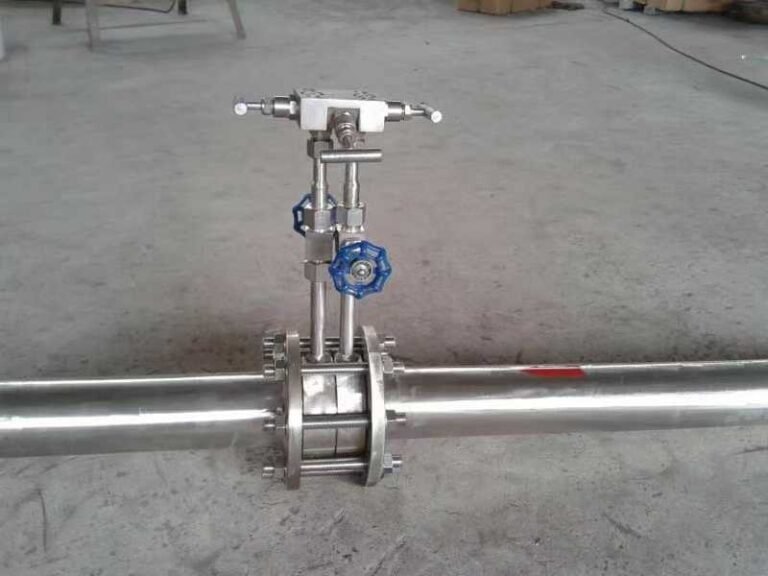
DP flow measurement uses Bernoulli physics: a primary element drops pressure, a DP transmitter reads it, math gives flow. Pick and install correctly.
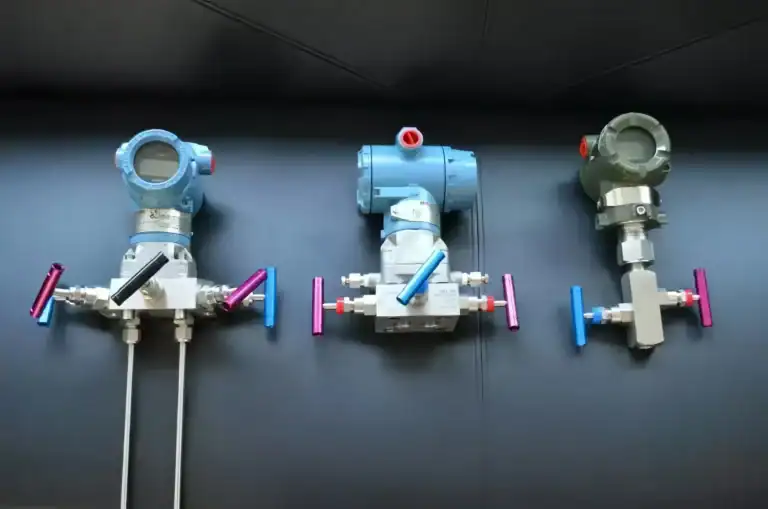
Spec the right valve manifold for your DP transmitter. 2/3/5-valve comparison, decision tree, JJG calibration tie-in, and HMK by-model picks.
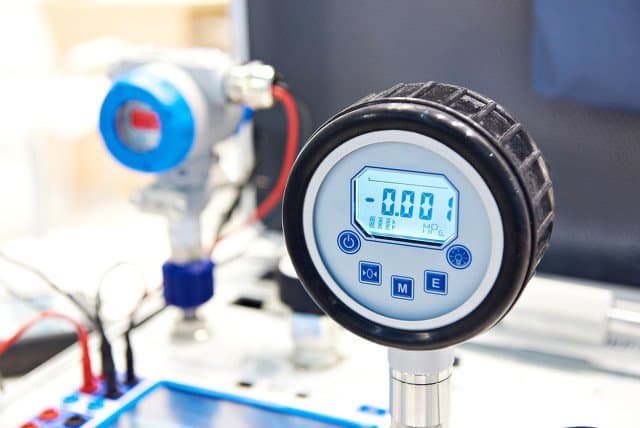
Calibrate a differential pressure transmitter end to end. 5-point Up & Down procedure, HART vs analog, JJG 882-2019 interval, and 5 field traps to avoid.
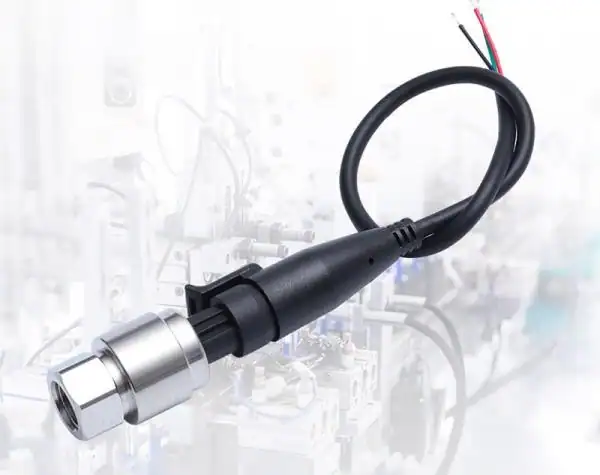
Spec the right low pressure transducer for HVAC, cleanroom, filter monitoring or OEM use. Ranges 100 Pa-10 kPa, accuracy, mounting, and 6 HMK matches.
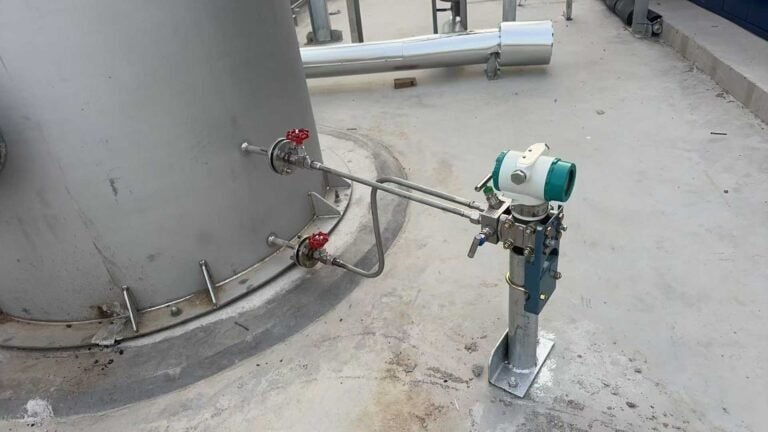
Differential pressure level measurement explained: hydrostatic principle, four install configs (open tank, closed tank dry/wet leg, bubbler), LRV/URV calculation, interface measurement, and how DP compares to radar and guided-wave for refinery, tank farm, and separator service.
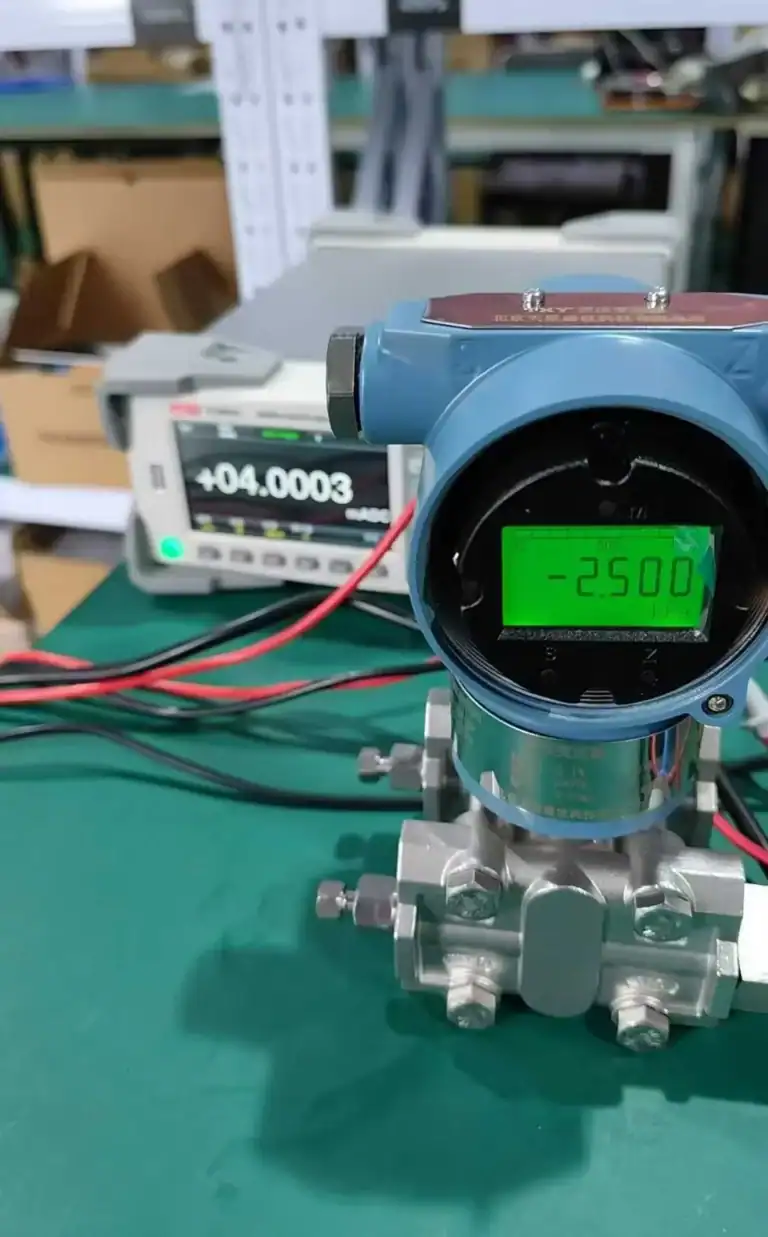
Learn how a differential pressure transmitter works — from ΔP sensing and three sensor technologies (capacitive, diffused silicon, resonant silicon) to static pressure effects and 3-valve manifold startup.