HM SERIES — ANTI-CORROSIVE TECHNOLOGY
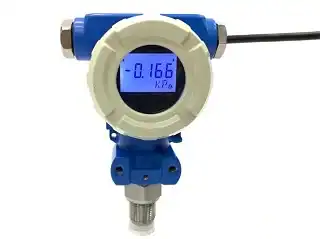
HM50 Anti-Corrosive Pressure Transmitter
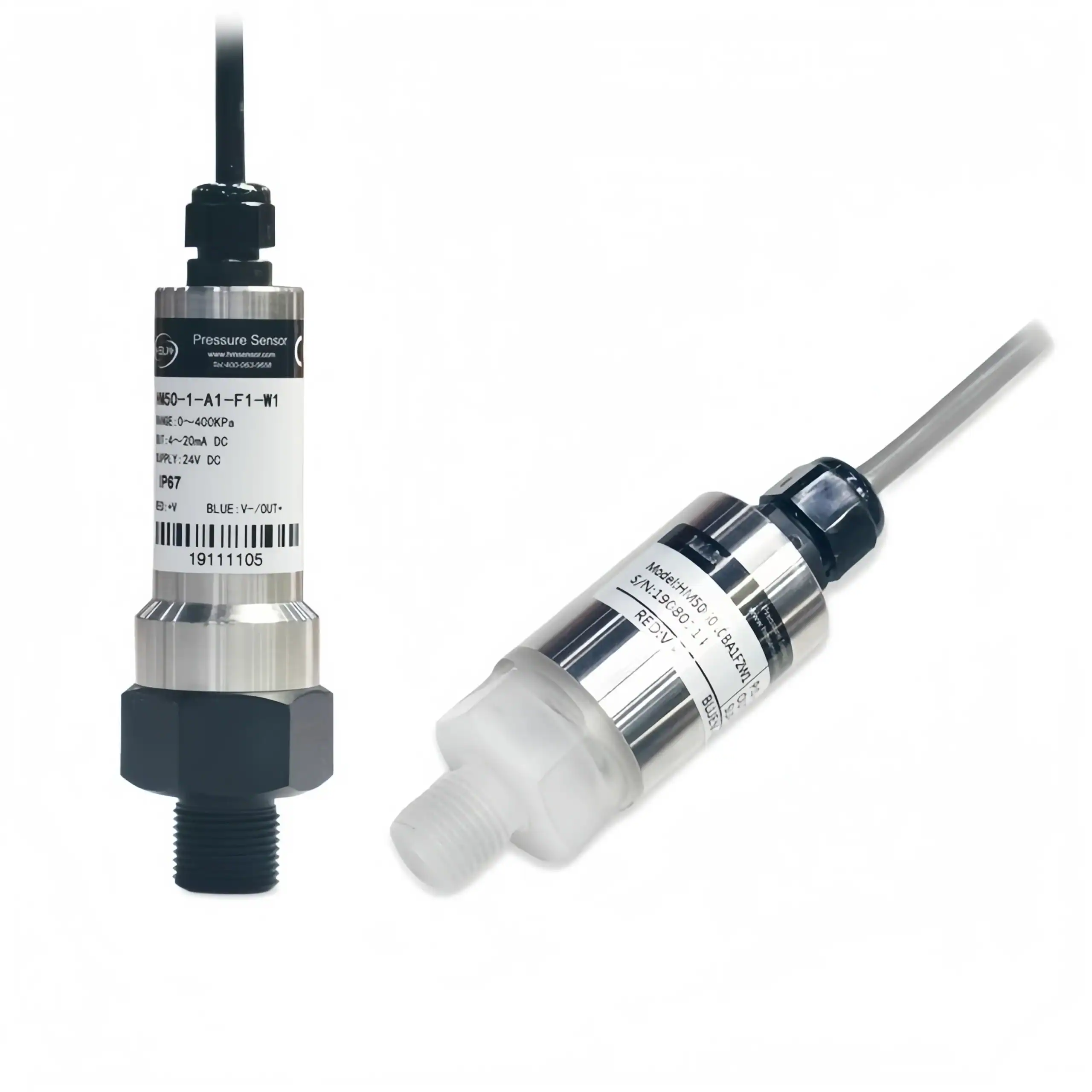
The HM50 is a high-performance anti-corrosive pressure transmitter featuring a German HMK tantalum diaphragm piezoresistive sensor, delivering ±0.25% FS accuracy for aggressive chemical media. With PVC, titanium alloy, or PTFE housing options, it reliably measures corrosive gases and liquids from -100 kPa to 60 MPa in chemical, petrochemical, metallurgy, and environmental protection applications.
Product Overview
The HM50 Anti-Corrosive Pressure Transmitter is engineered by German HMK specifically for pressure measurement in highly corrosive environments where standard stainless steel sensors cannot survive. At its core is a tantalum diaphragm piezoresistive sensing element — tantalum is one of the most chemically resistant metals available, offering exceptional resistance to hydrochloric acid (HCl), sulfuric acid (H₂SO₄), nitric acid (HNO₃), and most organic acids at temperatures below 150°C.
Selecting between tantalum, ceramic and lined designs for a specific acid, concentration and temperature is covered in our guide to pressure transmitters for corrosive chemicals.
Unlike conventional fill-fluid designs that use an isolation diaphragm with silicone oil to protect the sensing element, the HM50 employs a direct tantalum diaphragm that contacts the process media without any fill fluid intermediary. This eliminates the risk of fill fluid contamination, reduces response time to under 3 ms, and avoids the temperature-induced measurement drift that plagues oil-filled designs in corrosive service applications.
The transmitter housing is available in three corrosion-resistant materials — polyvinyl chloride (PVC) for general chemical service, titanium alloy for high-strength corrosive environments, and polytetrafluoroethylene (PTFE) for the most aggressive chemical exposure. Combined with ±0.25% FS accuracy, ±0.1% FS/year long-term stability, and optional intrinsically safe certification (Ex ia IIC T5), the HM50 provides a reliable and cost-effective solution for corrosive pressure measurement across petrochemical, chemical processing, metallurgy, and environmental monitoring.
Technical Specifications
| Parameter | Specification |
|---|---|
| Measuring Range | -100 kPa ~ 0 ~ 5 kPa … 100 kPa … 60 MPa |
| Overload Capacity | 200% FS |
| Pressure Type | Gauge / Absolute |
| Media Compatibility | Strongly and mildly corrosive gases or liquids |
| Overall Accuracy | Typical: ±0.25% FS, Max: ±0.4% FS |
| Long-Term Stability | Typical: ±0.1% FS/year, Max: ±0.2% FS/year |
| Zero Temperature Drift | Typical: ±0.015% FS/°C, Max: ±0.03% FS/°C |
| Sensitivity Temperature Drift | Typical: ±0.015% FS/°C, Max: ±0.03% FS/°C |
| Response Time | ≤3 ms |
| Resolution | Infinite (analog), 1/100,000 (typical) |
| Media Temperature | -20 ~ 85°C |
| Compensated Temperature | -10 ~ 60°C |
| Operating Temperature | -20 ~ 80°C |
| Service Life | ≥1 × 10⁸ pressure cycles (at 25°C) |
| Diaphragm Material | Tantalum (Ta) |
| Housing Material | PVC / Titanium alloy / PTFE (selectable) |
| Output Signal | 4–20 mA / 1–5 V DC / 0–5 V DC / 0.5–4.5 V DC |
| Power Supply | 12–36 VDC (current output) / 15–36 VDC (voltage output) |
| Load Resistance | ≤(U-12)/0.02 Ω |
| Process Connection | M20×1.5 / G1/4 / Custom |
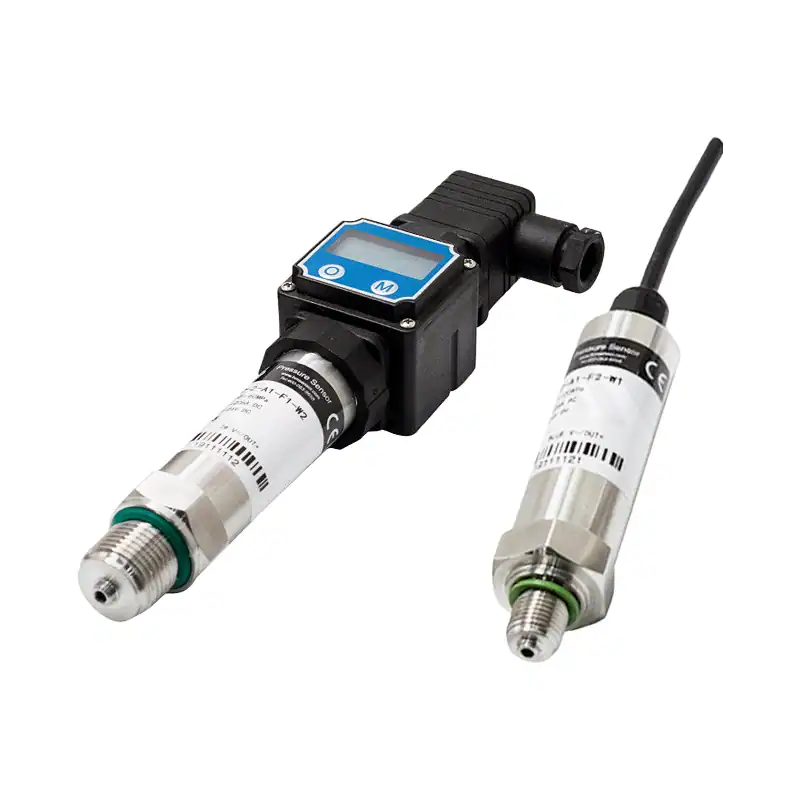
| Electrical Connection | Cable type (IP67) / Connector type (IP65) |
| Protection Grade | IP65 (connector type) / IP67 (cable type) per IEC 60529 |
| Intrinsic Safety | Ex ia IIC T5 (optional) |
Please specify the corrosive media when ordering so we can recommend the optimal housing material. Custom pressure ranges, special process connections, and alternative corrosion-resistant materials are available upon request.
Key Features
Tantalum Diaphragm Sensor
German HMK tantalum piezoresistive sensing element provides superior corrosion resistance to HCl, H₂SO₄, HNO₃, and most organic acids. No fill fluid means no contamination risk and faster response.
Triple Housing Material Options
Choose PVC for general chemical service, titanium alloy for high-strength corrosive environments, or PTFE for maximum chemical resistance. Match the housing to your specific corrosive media for optimal durability.
High Accuracy ±0.25% FS
Delivers ±0.25% FS overall accuracy with excellent long-term stability of ±0.1% FS/year and low temperature drift of ±0.015% FS/°C, ensuring reliable readings in process-critical corrosive applications.
No Fill Fluid Design
Direct tantalum diaphragm contact with process media eliminates silicone oil fill fluid. This prevents fill-fluid contamination, reduces response time to under 3 ms, and avoids temperature-induced drift common in oil-filled sensors.
Wide Range Coverage
Measures from vacuum (-100 kPa) through low pressure (5 kPa) to high pressure (60 MPa) in both gauge and absolute modes. 200% overload capacity protects the sensor during pressure spikes and transients.
Intrinsically Safe Option
Available with Ex ia IIC T5 intrinsic safety certification for use in hazardous areas with flammable gases or vapors. When paired with an approved safety barrier, suitable for Zone 0, 1, and 2 installations.
Applications
Chemical Processing
Reactor pressure monitoring, distillation column control, and acid/alkali pipeline measurement. The tantalum diaphragm withstands HCl, H₂SO₄, and HNO₃ exposure without degradation, while PTFE housing prevents external corrosion from chemical splashes.
Petrochemical Refining
Monitoring corrosive process streams in crude oil desalting, catalytic cracking, and amine treating units. The HM50 handles sour gas (H₂S-containing) and high-chloride environments where standard 316 SS sensors fail rapidly.
Metallurgy & Mining
Acid pickling lines, electroplating baths, and leaching process pressure measurement. Titanium alloy housing option provides mechanical strength in high-vibration environments while resisting chloride-induced stress corrosion cracking.
Environmental Monitoring
Flue gas desulfurization (FGD) systems, wastewater treatment plants, and industrial effluent monitoring. Measures pressure of acidic condensates, chemical dosing systems, and scrubber liquids in pollution control equipment.
Pharmaceutical & Biotech
Pressure measurement in CIP (Clean-in-Place) systems, sterilization processes, and aggressive solvent handling. The no-fill-fluid design eliminates contamination risk, critical for GMP-compliant manufacturing environments.
Power Generation
Boiler water treatment, cooling water chemistry monitoring, and flue gas analysis systems. The HM50 reliably measures pressure in deionized water, chemical treatment loops, and corrosive condensate return lines.
Ordering Guide
Use the model code structure below to specify your HM50 configuration. Example:
For H₂S sour service, wetted-material qualification follows NACE MR0175 sour-service material selection for pressure instruments.
HM50 (0~1.6MPa) — 1 — A1 — F1 — W2
Model — Range — Accuracy — Output — Connection — Cable/Connector
| Selection Code | Options |
|---|---|
| Pressure Type | G = Gauge (default, can be omitted) | A = Absolute |
| Range | Specify measuring range: 0 ~ X kPa or MPa (e.g., 0~1.6 MPa, 0~100 kPa) |
| Accuracy Code | 1 = ±0.4% FS | 2 = ±0.25% FS |
| Output Code | A1 = 4–20 mA | V1 = 1–5 V DC | V2 = 0–5 V DC | V3 = 0.5–4.5 V DC |
| Connection Code | F1 = M20×1.5 external thread | F2 = G1/4 external thread | F0 = Special |
| Cable Code | W1 = Cable type (IP67) | W2 = Connector type (IP65) |
| Optional | E = Intrinsically safe Ex ia IIC T5 (requires safety barrier) |
Notes: (1) Specify the corrosive media when ordering so we can recommend PVC, titanium, or PTFE housing. (2) For intrinsically safe option “E”, an approved safety barrier is required. (3) Contact us for special requirements or configurations not listed above.
Frequently Asked Questions
Need a Corrosion-Resistant Pressure Solution?
Whether you need a single transmitter for an acid pipeline or a fleet of sensors for a chemical plant, our engineering team can help you select the right HM50 configuration and housing material for your corrosive media.
Our engineers typically respond within 12 business hours with detailed technical specifications and pricing.
See also: how to choose a pressure transmitter for marine and offshore service.