PSI to Atm Converter (psi to Atmospheres)
Turn a psi value into atmospheres. The gauge-versus-absolute step is built in, so a psig reading is lifted to absolute before it becomes a multiple of one atmosphere.
When you express psi as atmospheres
Putting a pressure in atmospheres makes it easy to picture, as a multiple of sea-level air pressure, which is why textbooks, gas-law problems, diving and process-chemistry work all lean on atm. A tank at 44 psia is about three atmospheres; a chamber at half an atmosphere is a partial vacuum. One thing has to be right first: an atmosphere is an absolute unit, so a psi value has to be absolute before it becomes a clean multiple of one atmosphere. A gauge reading is not absolute. 30 psig is not 2.04 atm; it is 44.7 psia, or 3.04 atm, once you add the atmosphere the gauge is sitting in. The tool does that lift for you in gauge mode.
The exact factor
The conversion is atm = psi × 0.06804596. It comes straight from the definition: one standard atmosphere is exactly 101325 Pa and one psi is 6894.757293 Pa, so one psi is 6894.757293 ÷ 101325 = 0.06804596 atm. The reverse factor is 1 atm = 14.69594878 psi.
| 1 psi = | 1 atm = |
|---|---|
| 0.06804596 atm | 14.69594878 psi |
| 0.06894757 bar | 1.01325 bar |
| 51.71493 torr | 760 torr |
It shares its factor with the atm to psi converter, so the pair reconciles. Convert psi to atm here and back again and you return to your starting psi, which is a fast reference check.
psia or psig? Add the atmosphere first
An absolute psi converts directly: atm = psia × 0.06804596. A gauge psi does not, because a gauge reads zero at one atmosphere. To express psig in atmospheres, first add the ambient atmosphere to make it absolute: atm = (psig + 14.69595) × 0.06804596. So 14.6959 psig is 2 atm absolute, not 1 atm. Skip that step and the answer is short by exactly one atmosphere, which is the usual slip when people quote gauge pressures in atm. Pick the input type above and the tool takes the right path.
psi to atm worked examples
Absolute mode at the exact factor.
| psi (abs) | atm | bar | kPa |
|---|---|---|---|
| 1 psia | 0.06805 atm | 0.06895 bar | 6.895 kPa |
| 5 psia | 0.34023 atm | 0.34474 bar | 34.47 kPa |
| 14.6959 psia | 1.00000 atm | 1.01325 bar | 101.325 kPa |
| 20 psia | 1.36092 atm | 1.37895 bar | 137.90 kPa |
| 55 psia | 3.74253 atm | 3.79212 bar | 379.21 kPa |
| 100 psia | 6.80460 atm | 6.89476 bar | 689.48 kPa |
The anchor row is 14.69595 psia = exactly 1 atm. Above it is more than one atmosphere; below it is a partial vacuum.
psi to atm to bar to kPa cross-table
For values that travel across unit systems, this reads psi into atm, bar, kPa and torr together (absolute basis). The pressure unit converter covers every unit in one place.
| psi | atm | bar | kPa | torr |
|---|---|---|---|---|
| 1 psi | 0.06805 atm | 0.06895 bar | 6.895 kPa | 51.71 torr |
| 5 psi | 0.34023 atm | 0.34474 bar | 34.47 kPa | 258.6 torr |
| 10 psi | 0.68046 atm | 0.68948 bar | 68.95 kPa | 517.1 torr |
| 15 psi | 1.02069 atm | 1.03421 bar | 103.42 kPa | 775.7 torr |
| 50 psi | 3.40230 atm | 3.44738 bar | 344.74 kPa | 2585.7 torr |
atm, at and bar are not the same
If your target is really a kilogram-force per square centimetre (kgf/cm², the technical atmosphere) or a bar rather than a standard atmosphere, the number changes: 1 bar is 0.98692 atm and 1 technical atmosphere is 0.96784 atm. When a datasheet is marked kgf/cm² or bar, convert with the matching unit instead of assuming a standard atmosphere. The atm to psi converter has a switch for the technical atmosphere.
Matching a transmitter to a pressure quoted in atm
A range quoted in atmospheres is usually an absolute one. “0 to 3 atm absolute” is 0 to 44.09 psia; “around 1 atm” sealed references sit near 14.7 psia. Both point at an absolute transmitter rather than a gauge one. The HMK HM27 (HM27A silicon absolute, HM27CA capacitive absolute) covers absolute and vacuum directly, and the HM29 sets the span and units on site. Convert the atm figure to psia first to fix the class and range.
Frequently Asked Questions
How many atm in 1 psi?
One psi equals 0.06804596 atm. It takes 14.696 psi to make one standard atmosphere.
What is 30 psi in atm?
If it is 30 psia, that is 2.041 atm. If it is 30 psig, add the atmosphere first: (30 + 14.696) × 0.068046 = 3.041 atm absolute.
Is 14.7 psi equal to 1 atm?
Very nearly: one standard atmosphere is 14.69595 psia, so 14.7 psi is 1.000276 atm. The exact value is used for calibration work.
Do I add or ignore atmosphere for a gauge reading?
Add it. A gauge reads zero at one atmosphere, so convert psig to absolute (psig + 14.696) before dividing into atmospheres, or the answer is short by one atm.
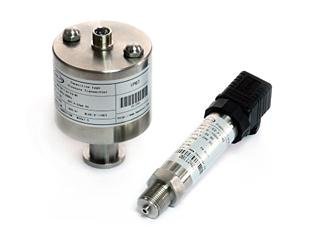
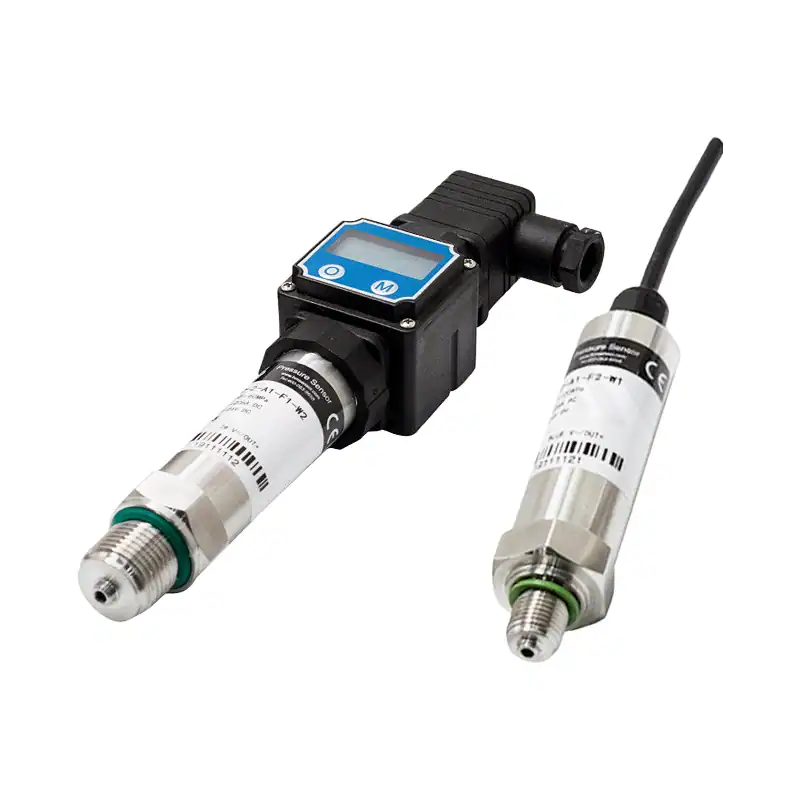
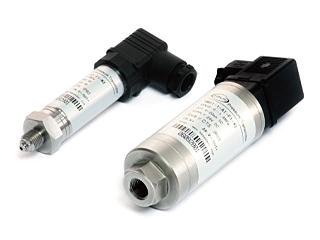
Need the absolute or gauge transmitter behind the number?
Tell us the range in atm, psi or kPa and whether it is absolute, gauge or compound, and we will spec the right transmitter.