HMK Engineering Tools
Pressure Transmitter Turndown & Accuracy Calculator
Enter the upper range limit and your calibrated span to get the turndown ratio and, more importantly, the installed accuracy it leaves you with.
Calculator
Turndown is the URL divided by your span. Pick the spec type from your datasheet; most digital transmitters quote “% of span at ≤ X:1 turndown.”
What This Calculator Tells You
Two numbers come off a transmitter datasheet that decide whether a loop will actually read accurately: the upper range limit (URL), the widest span the cell supports, and the reference accuracy. Turndown is the URL divided by the span you actually calibrate. This tool returns that ratio and then does the part most people skip: it converts the datasheet accuracy into the installed accuracy you will live with at your span, in both percent of span and engineering units.
The Formula
Turndown ratio is a single division:
Turndown = URL ÷ calibrated span. A 10 MPa cell calibrated 0 to 1 MPa runs at 10:1.
Accuracy is where the cost hides, because a fixed sensor error does not shrink when you shrink the span. If a datasheet quotes accuracy as a percent of the URL, the error in percent of your span is:
Installed error (% of span) = accuracy(% of URL) × turndown.
A 0.04% of URL transmitter at 10:1 installs at 0.4% of span — ten times worse than the headline number. When the datasheet quotes a percent of span at a reference turndown instead, accuracy holds up to that reference ratio and then degrades roughly linearly beyond it, which is the third mode in the calculator.
The Datasheet Trap: % of Span vs % of URL
Two transmitters can both print “0.04%” on the first line and behave completely differently. One means 0.04% of the calibrated span; the other means 0.04% of the URL. At 1:1 they are identical. At 20:1 the percent-of-URL unit is twenty times worse. The footnote that distinguishes them is the single most important line on a pressure transmitter datasheet, and it is the line buyers skip. Set the spec-type selector to match yours before you trust the headline figure.
| Turndown | 0.025% of span (at 10:1 ref) | 0.025% of URL (fixed) |
|---|---|---|
| 1:1 | 0.025% of span | 0.025% of span |
| 10:1 | 0.025% of span | 0.25% of span |
| 20:1 | 0.05% of span | 0.5% of span |
| 50:1 | 0.125% of span | 1.25% of span |
How to Use the Result to Pick a Range
Run the number before you order, not after the loop reads badly. Engineers routinely over-specify the URL “for headroom,” then calibrate a narrow span and wonder why the reading drifts. The fix is to size the cell so the working span sits at a sensible turndown. As a working rule, keep general transmitters at or below 10:1 for tight control loops, and reserve 20:1 and beyond for indication-only or wide-rangeability service where the looser installed accuracy is acceptable. If the calculator shows the installed accuracy exceeding your loop tolerance, choose a cell with a smaller URL rather than accepting the degraded figure. A differential pressure transmitter with a span close to the process range will always beat an over-ranged cell turned down hard.
Common Pitfalls
Three mistakes recur. First, reading the headline accuracy without the % of span versus % of URL footnote, which this tool exists to expose. Second, calibrating a zero-based span near the bottom of a large cell, where the fixed error is largest as a fraction of reading. Third, confusing turndown with rangeability: rangeability is the full span the device can be re-ranged across, while turndown is the specific ratio you have chosen. The full background, with the vendor footnote decoded, is in the companion guide on pressure transmitter turndown ratio. For the line where high accuracy is genuinely real, see precision pressure sensors, and for the gauge-class equivalent, the pressure gauge accuracy class guide.
Frequently Asked Questions
How do you calculate turndown ratio?
Divide the upper range limit by the calibrated span. A 250 kPa cell calibrated to a 25 kPa span runs at 10:1. The calculator does this and then converts the datasheet accuracy into the installed accuracy at that ratio.
Does turndown affect accuracy?
Yes, whenever the accuracy is specified as a percent of URL or as a percent of span beyond a reference turndown. A fixed sensor error becomes a larger percentage of a smaller span, so installed accuracy degrades as turndown rises. Only a true constant percent-of-span spec is immune.
What is a good turndown ratio for a pressure transmitter?
For tight control, keep it at or below about 10:1. Higher ratios are fine for indication or wide-rangeability service where a looser installed accuracy is acceptable. Always check the installed figure against your loop tolerance rather than trusting a maximum turndown rating.
What is the difference between turndown and rangeability?
Rangeability is the full ratio between the widest and narrowest span the device can be re-ranged across. Turndown is the specific ratio you have actually set for your application. A device may be rangeable to 100:1 yet only hold its reference accuracy to 10:1.
Recommended HMK Transmitters
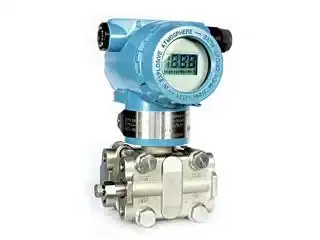 HM3051 Smart DP TransmitterDigital sensor and output trim with wide rangeability for level, flow and DP service.
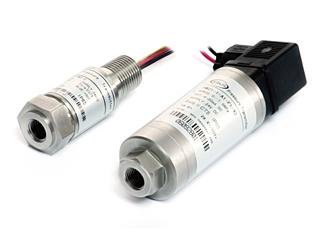 HM22 High-Accuracy TransmitterA high-accuracy cell for tight control loops where you keep turndown low.
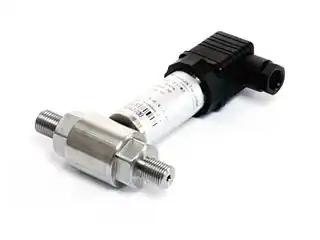 HM31 DP TransmitterDifferential pressure cell for flow and level; size the span close to the process range.
Related Reading
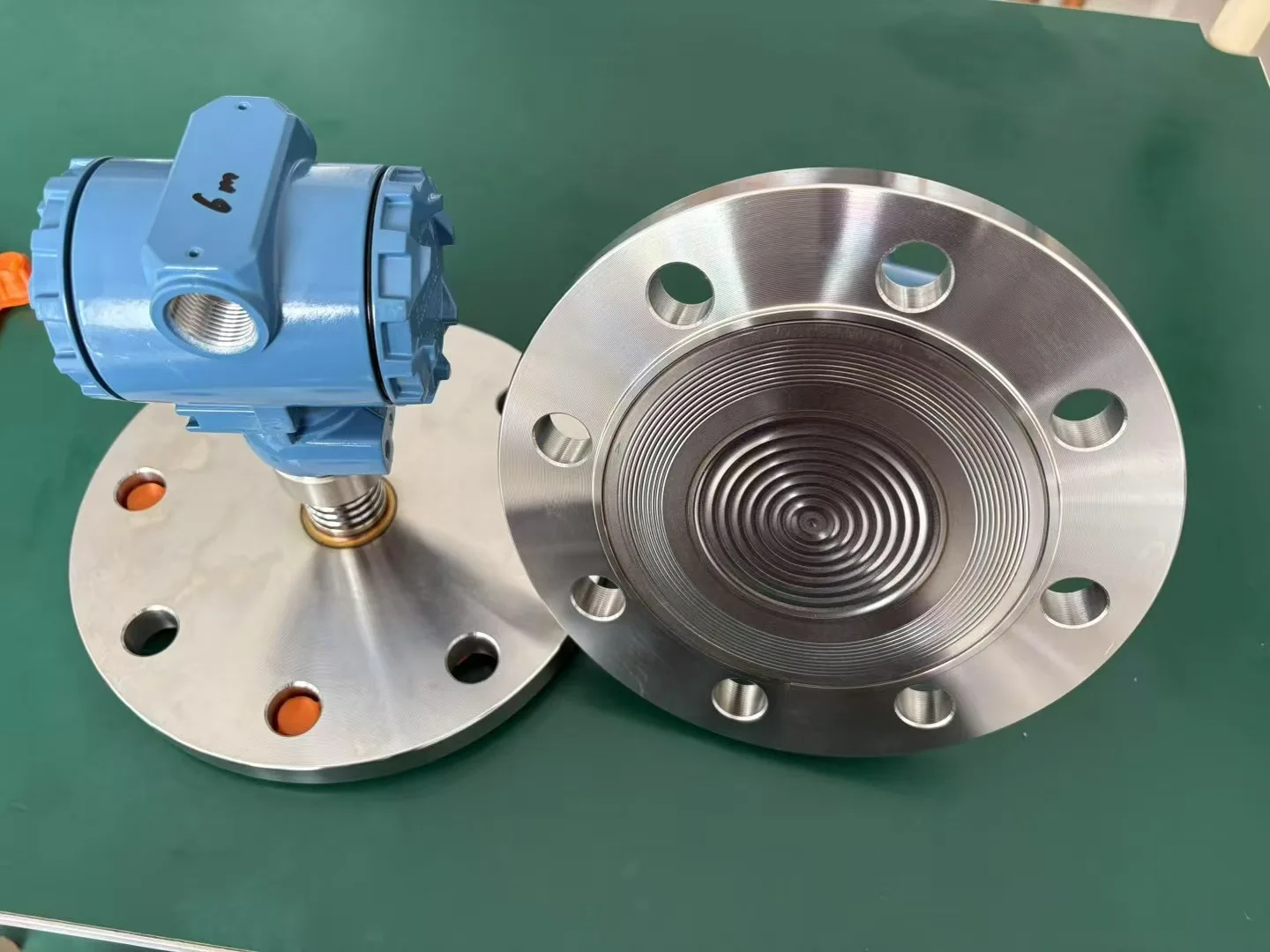 Pressure Transmitter Turndown RatioThe full guide: how turndown is defined and what it costs your accuracy.
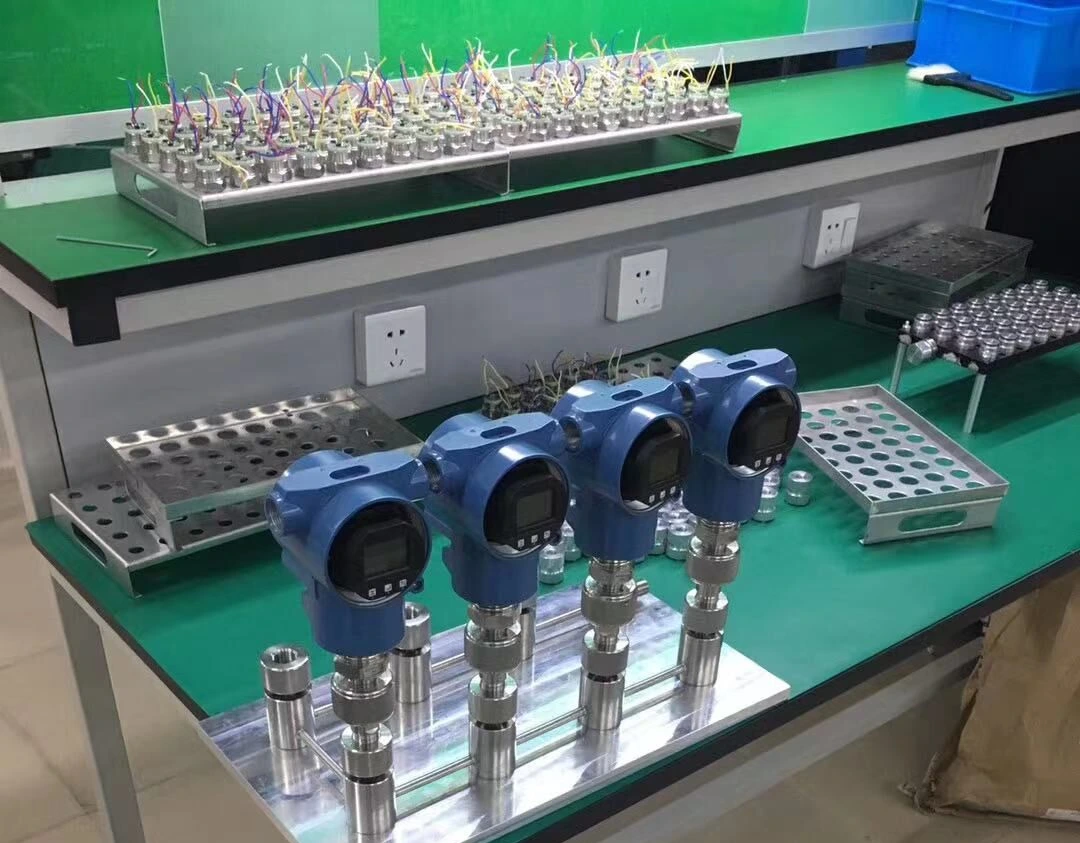 Precision Pressure SensorsWhere the 0.1 % FS line is real, and when it is marketing.
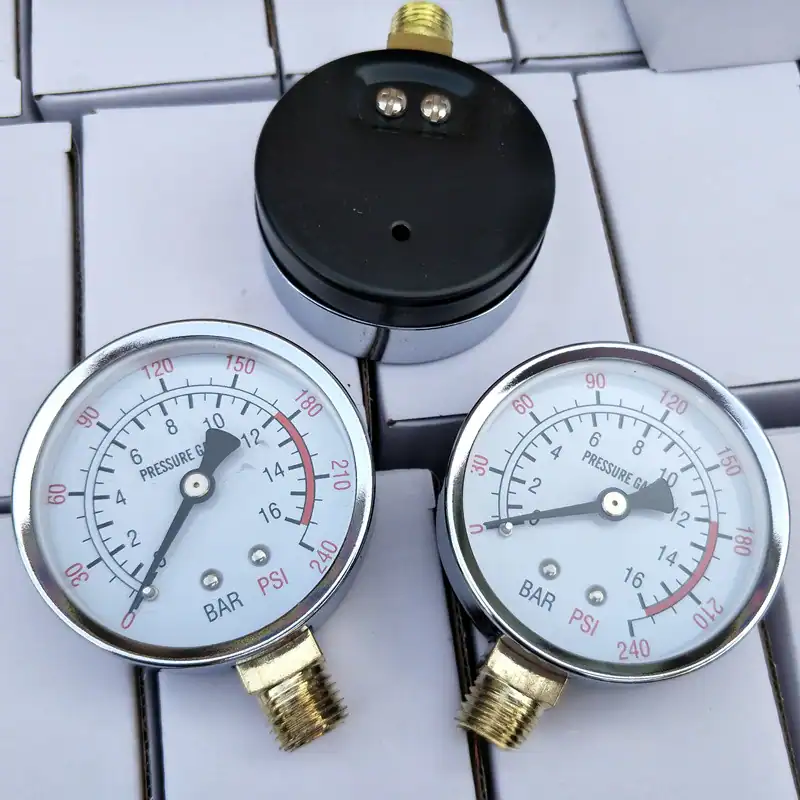 Pressure Gauge Accuracy ClassThe 0.1 to 4.0 classes and how to select one for the duty.
Need the right span, not just the right transmitter?
Tell us your process range and loop tolerance and we will recommend an HMK pressure or differential pressure transmitter sized so the turndown does not cost you accuracy.