psi to mbar Converter
One psi is 68.947573 millibar. The conversion is a single multiply — what actually catches people out in the vacuum and low-pressure range is that a field psi reading is usually gauge while the mbar figure you need is often absolute. This tool covers both.
One psi is 68.947573 millibar
To convert psi to millibar, multiply by 68.947573. One pound per square inch is 6,894.757 pascals and one millibar is exactly 100 pascals, so a single psi contains just under 69 millibar. The converter above applies the factor the moment you type, but the number is worth knowing: it is exact, not rounded, because both units are defined in pascals.
Millibar earns its place at the low-pressure end. Where a psi figure would run to three or four decimals — 0.15 psi, 0.03 psi — the same pressures read as clean whole millibars, which is why vacuum, barometric and micro-differential work is quoted in mbar.
Cross-check: 1 mbar = 0.0145037738 psi, and standard atmosphere is 14.696 psi absolute = 1013.25 mbar.
psi to mbar conversion table
The bar and kPa columns are a sanity check, not the answer. If your paperwork disagrees with this table by roughly one atmosphere, you are comparing a gauge psi reading against an absolute mbar figure.
| psi | mbar | bar | kPa |
|---|---|---|---|
| 0.5 | 34.474 | 0.0345 | 3.447 |
| 1 | 68.948 | 0.0689 | 6.895 |
| 5 | 344.738 | 0.3447 | 34.474 |
| 10 | 689.476 | 0.6895 | 68.948 |
| 14.6959 | 1013.25 | 1.0132 | 101.325 |
| 15 | 1034.214 | 1.0342 | 103.421 |
| 30 | 2068.427 | 2.0684 | 206.843 |
| 50 | 3447.379 | 3.4474 | 344.738 |
| 100 | 6894.757 | 6.8948 | 689.476 |
A psi reading is usually gauge; the mbar you need may be absolute
Multiplying by 68.947573 converts the unit, not the reference. The psi a field instrument shows is almost always gauge — zero at local atmosphere. Millibar figures for vacuum and barometric work are almost always absolute — zero only at a perfect vacuum. Convert a gauge psi straight across and label it absolute, and you are a full atmosphere low.
| psi g | psi a (atm 14.6959) | mbar a |
|---|---|---|
| 0 | 14.6959 | 1013.25 |
| 5 | 19.6959 | 1357.98 |
| -10 (vacuum) | 4.6959 | 323.77 |
The calculator switches this for you: set the reference to gauge and it adds local atmosphere before giving the absolute-equivalent mbar. When you need the reference conversion on its own, the absolute, gauge and vacuum converter handles it.
Matching a psi figure to a low-range transmitter
Specifications that arrive in psi still have to land on an instrument scaled in Pa and kPa. Here is the map for the low and vacuum ranges where psi-to-mbar conversions usually come up — published instrument ranges, not round numbers.
| If your spec says | That is | Instrument to look at |
|---|---|---|
| 0 to 1.5 psi / low DP | 0 to 100 mbar / 10 kPa | HE30 wind & micro-differential, 100 Pa to 100 kPa |
| differential up to ~100 psi | up to 700 kPa | HM30 micro-differential, 500 Pa to 700 kPa |
| vacuum in psia / inHg | 0.02 Pa to 1 MPa | HM27 vacuum & absolute, ±0.1 % FS |
Related tools: the mbar to psi converter runs it the other way, and for other vacuum units see psi to torr and psi to inches of water.
Frequently Asked Questions
How many mbar is 1 psi?
One psi is 68.947573 mbar — just under 69 mbar.
How do I convert psi to mbar?
Multiply the psi value by 68.947573. The calculator at the top does it instantly and shows bar, kPa and pascals alongside.
Is a psi gauge reading absolute?
No — a field psi reading is normally gauge. Add local atmospheric pressure (about 14.696 psi) to get absolute before converting to absolute mbar.
What is 15 psi in mbar?
15 psi is 1034.2 mbar. If the 15 psi is a gauge reading, the absolute equivalent is about 2047 mbar a at sea level.
How many psi is 1 mbar?
One millibar is 0.0145037738 psi.
Need the transmitter behind the number, not just the conversion?
Tell us the range in psi, bar or mbar — plus the reference and the process medium — and we will match a vacuum, absolute or low-differential transmitter to it.
Transmitters for the sub-psi and vacuum range
Three HMK instruments that cover the pressures this page converts.
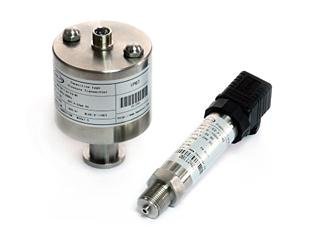 HM270.02 Pa to 1 MPa, vacuum & absoluteVacuum and absolute pressure transmitter, ±0.1 % FS — the match when your psi figure is really absolute.
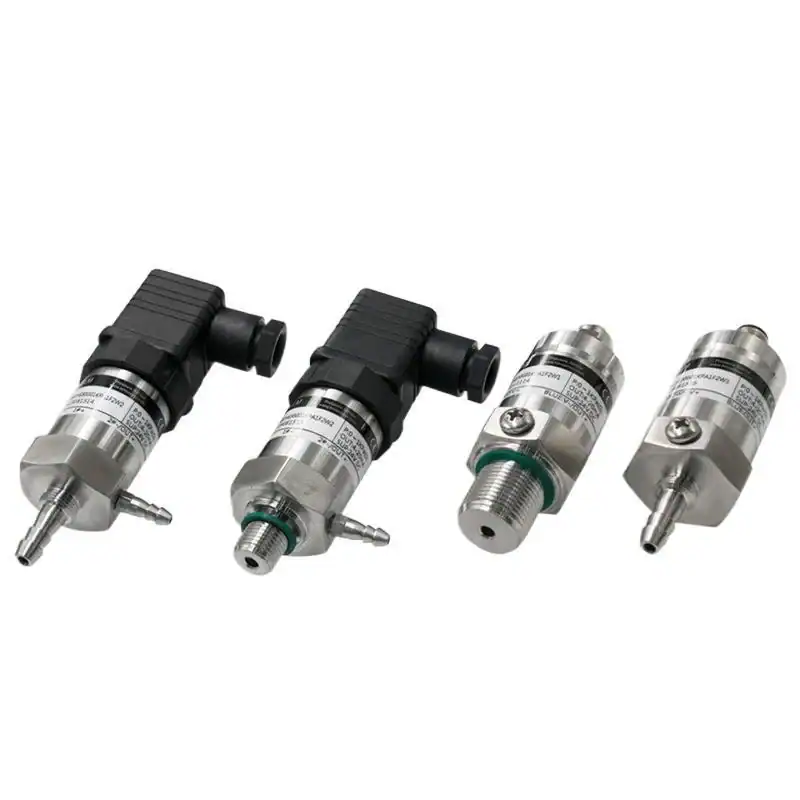 HE30100 Pa to 100 kPa (wind / micro-DP)Wind and micro-differential sensor for sub-psi and low-mbar ranges.
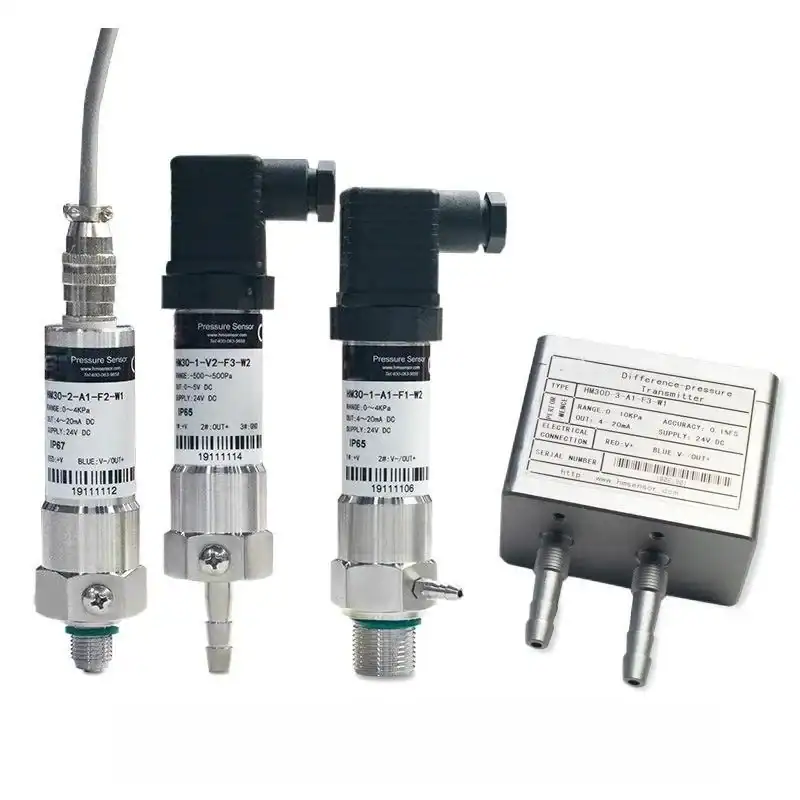 HM30500 Pa to 700 kPa (0.005 to 7 bar)Micro-differential transmitter with response under 2 ms.
Written by Lin Jun · Pressure Instrumentation Engineer, HMK-TECH. Conversion factors follow the SI definitions of the pound per square inch and the millibar (100 Pa); instrument ranges quoted are the published ranges of the products linked above.