PSI to inHg Converter (psi to Inches of Mercury)
Going the other way — turn a psi or psia spec into the inHg vacuum value your vacuum gauge or process setpoint is graduated in.
When you need psi expressed as inHg
Sometimes the number you have is in psi but the gauge or setpoint in front of you is graduated in inches of mercury. Equipment and process specs often state a target in psi or psia — a residual pressure for freeze drying, a degassing setpoint, an evacuation target, an HVAC-R service value — while the vacuum gauge reads inHg. Converting psi to inHg is what lets you set or check that target on the gauge. The catch is that a psi value can be a gauge pressure, a differential, or an absolute spec, and an absolute spec does not map onto a vacuum gauge until you account for atmosphere. This tool handles both cases with an input-type switch.
The factor, and the hidden reference temperature
The base conversion is inHg = psi × 2.036021 at the conventional 0°C / 32°F mercury reference, the same reference behind 1 atm = 14.696 psia = 29.92 inHg. The warmer gas-industry and laboratory references give marginally different factors:
| Reference temperature | 1 psi = | 1 inHg = |
|---|---|---|
| 32°F / 0°C (conventional) | 2.036021 inHg | 0.491154 psi |
| 60°F / 15.56°C | 2.041741 inHg | 0.489778 psi |
| 68°F / 20°C | 2.043339 inHg | 0.489395 psi |
Because it shares the factor table with the inHg to psi converter, the pair reconciles: convert psi to inHg here, push it back through the reverse tool at the same reference, and you land on the psi you started with (multiply back by 0.491154). That round-trip is a quick self-check on the reference.
psia or psig? Convert to the inHg the gauge will show
A gauge or differential psi converts straight: inHg = psi × 2.036021. An absolute spec does not. To turn a psia target into the vacuum reading a gauge will display, subtract it from atmosphere first: inHg vacuum = (14.696 − psia) × 2.036021. A residual target of 2 psia, for example, is 25.85 inHg of vacuum on the gauge — not 2 × 2.036. This subtraction is exactly what the single-factor “psi to inHg” converters skip, which is why an absolute setpoint entered into them comes out wrong for vacuum work.
psi to inHg worked examples
Worked in gauge mode at the conventional reference, where 1 psi = 2.0360 inHg.
| psi | inHg | kPa |
|---|---|---|
| 0.5 psi | 1.02 inHg | 3.447 kPa |
| 1 psi | 2.04 inHg | 6.895 kPa |
| 2 psi | 4.07 inHg | 13.790 kPa |
| 5 psi | 10.18 inHg | 34.474 kPa |
| 10 psi | 20.36 inHg | 68.948 kPa |
| 14.696 psi | 29.92 inHg | 101.325 kPa |
The atmosphere anchor closes the loop: 14.696 psi works out to 29.92 inHg, one standard atmosphere — the same anchor the reverse converter uses.
psi to inHg to kPa cross-table
For process setpoints that travel across unit systems, this table reads psi into inHg, kPa and mmHg at once (conventional reference):
| psi | inHg | kPa | mmHg |
|---|---|---|---|
| 0.5 psi | 1.02 inHg | 3.447 kPa | 25.9 mmHg |
| 1 psi | 2.04 inHg | 6.895 kPa | 51.7 mmHg |
| 2 psi | 4.07 inHg | 13.790 kPa | 103.4 mmHg |
| 5 psi | 10.18 inHg | 34.474 kPa | 258.6 mmHg |
| 10 psi | 20.36 inHg | 68.948 kPa | 517.1 mmHg |
Matching a transmitter range to an inHg vacuum setpoint
Once a psi or psia spec is expressed as inHg, decide what the transmitter must measure. A vacuum setpoint stated in inHg becomes a small absolute span (near 0 to a few psia) or a negative compound span in psig — both pointing at an absolute or compound transmitter rather than a gauge one. The HMK HM27 measures vacuum and absolute directly, while the HM20 offers compound and negative-gauge ranges; converting the inHg setpoint to psi or kPa-abs first tells you which to specify and where to set the span for good turndown.
Frequently Asked Questions
How many inHg in 1 psi?
At the conventional 32°F reference, 1 psi = 2.0360 inHg. At 60°F it is 2.0417 inHg and at 68°F it is 2.0433 inHg.
What is 14.7 psi in inHg?
About 29.92 inHg, which is one standard atmosphere (29.92 inHg = 14.696 psia).
How do I convert a psia spec to inHg vacuum?
Subtract the psia from 14.696 and multiply by 2.036021. For example 2 psia gives (14.696 − 2) × 2.036021 = 25.85 inHg of vacuum.
Related converters & tools
- inHg to PSI — the reverse conversion
- Absolute, Gauge & Vacuum Converter — switch between pressure references
- Pressure Unit Converter — all 15 pressure units at once
- kPa to PSI — kilopascal to psi scaling
- PSI to Inches of Water — psi to inches of water for DP/HVAC
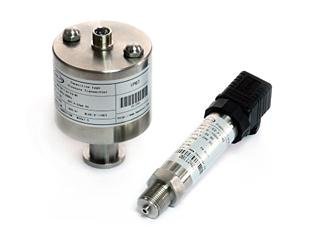
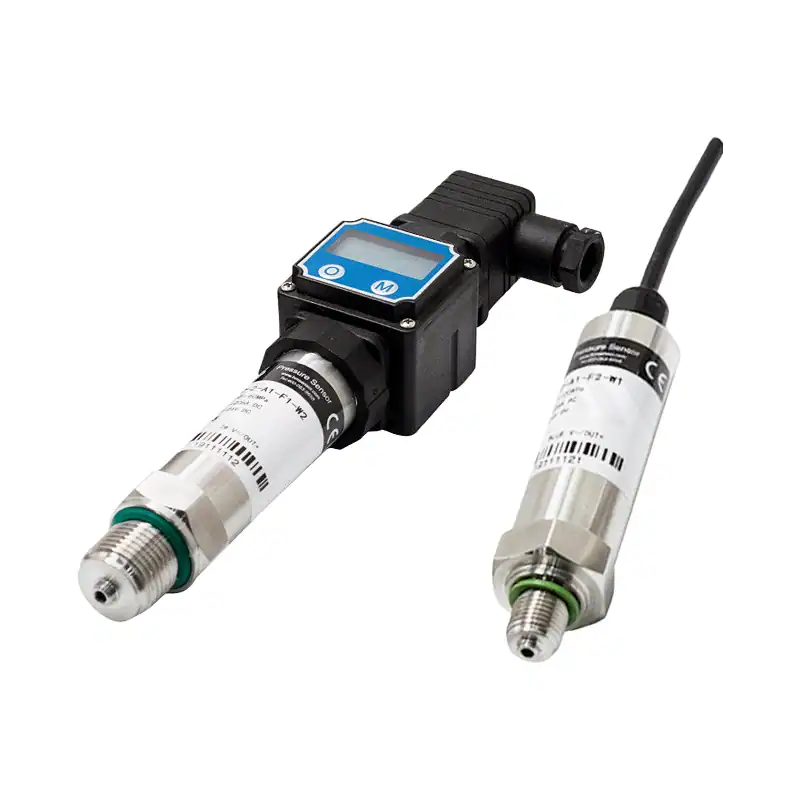
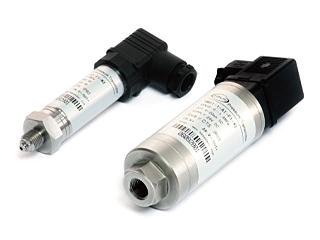
Need the vacuum or absolute transmitter behind the number?
Tell us the range in inHg, psi or kPa-abs and whether it is gauge, vacuum or absolute — we will spec the right transmitter.