PSI to Torr Converter (psi to Vacuum Torr)
Turn a psi or psia value into the torr reading a vacuum gauge or process set-point is graduated in. The absolute and vacuum-depth cases are handled separately, since they land on different torr numbers.
When you need psi expressed in torr
Sometimes the number in hand is in psi, but the gauge or set-point in front of you is graduated in torr. Vacuum-science, semiconductor, freeze-drying and analytical rigs almost always scale in torr or millitorr, while a pump curve, a relief setting or an imported datasheet may be stated in psi or psia. Converting to torr is what lets you enter or check that value on the vacuum gauge. Watch the reference as you do it: a psi figure can be an absolute spec (psia) or a vacuum depth below atmosphere, and the two give different torr numbers. The input switch handles each. An absolute spec becomes absolute torr; a vacuum depth becomes torr of vacuum, with the residual absolute torr shown next to it. For inches of mercury instead of torr, use the psi to inHg converter.
The exact factor
The conversion is torr = psi × 51.71493257. It comes from the definitions: one psi is 6894.757293 Pa, one torr is 101325 Pa ÷ 760 = 133.3223684 Pa, and dividing the two gives 51.71493257 torr per psi. The reverse is 1 torr = 0.0193367747 psi.
| 1 psi = | 1 torr = | 1 atm = |
|---|---|---|
| 51.71493257 torr | 0.0193367747 psi | 760 torr (exact) |
| 6894.757 Pa | 133.3224 Pa | 14.69595 psia |
This tool shares its factor with the torr to psi converter, so the pair reconciles. Convert psi to torr here, run it back through the reverse tool, and you land on the psi you started with. That round-trip is a quick check on your reference.
Absolute spec or vacuum depth? Convert the right way
An absolute pressure converts straight across: torr = psia × 51.71493257, so 5 psia is 258.6 torr absolute. A vacuum depth is different. If your psi value is how far below atmosphere you are pulling, that depth in torr is psi × 51.715, and the pressure left in the chamber is 760 torr minus that. Pull 10 psi below atmosphere and you have 517.1 torr of vacuum, leaving 242.9 torr absolute. The two readings describe the same chamber from opposite ends, so it pays to be clear which one your set-point means before you dial it in.
psi to torr worked examples
Absolute mode at the exact factor.
| psi (abs) | torr | mbar | atm |
|---|---|---|---|
| 0.01 psia | 0.5171 torr | 0.6895 mbar | 0.00068 atm |
| 0.1 psia | 5.1715 torr | 6.895 mbar | 0.00680 atm |
| 1 psia | 51.7149 torr | 68.95 mbar | 0.06805 atm |
| 5 psia | 258.5747 torr | 344.7 mbar | 0.34023 atm |
| 14.6959 psia | 760.00 torr | 1013.25 mbar | 1.00000 atm |
The last row is the anchor: 14.69595 psia is exactly 760 torr, one standard atmosphere.
psi to torr to mbar to kPa cross-table
For set-points that cross unit systems, this reads psi into torr, mbar and kPa together (absolute basis). To see every pressure unit at once, use the pressure unit converter.
| psi | torr | mbar | kPa |
|---|---|---|---|
| 0.1 psi | 5.171 torr | 6.895 mbar | 0.6895 kPa |
| 0.5 psi | 25.86 torr | 34.47 mbar | 3.447 kPa |
| 1 psi | 51.71 torr | 68.95 mbar | 6.895 kPa |
| 5 psi | 258.57 torr | 344.7 mbar | 34.47 kPa |
| 10 psi | 517.15 torr | 689.5 mbar | 68.95 kPa |
Matching a transmitter range to a torr set-point
Once a psi spec is expressed in torr, decide what the transmitter has to measure. A torr-level set-point is a small absolute span (near zero to a few psia) or a negative compound span in psig. Either way it points at an absolute or capacitance transmitter referenced to vacuum, not a plain gauge unit. The HMK HM27 measures vacuum and absolute directly (HM27A silicon absolute, HM27CA capacitive absolute), while the HM20 offers compound and negative-gauge ranges. Converting the torr set-point to psia or kPa-abs first tells you which to specify, and where to set the span for good turndown.
Frequently Asked Questions
How many torr in 1 psi?
One psi equals 51.71493257 torr. As an absolute value, 1 psia is about 51.7 torr.
What is 14.7 psi in torr?
About 760 torr, one standard atmosphere. The exact atmosphere is 14.69595 psia = 760 torr.
Is a torr the same as a mmHg?
For practical purposes yes: 1 torr and 1 mmHg differ by about one part in seven million, because torr is defined as 1/760 atm while mmHg is defined from the mercury column. Use the same factor for either.
How do I convert a vacuum reading in psi to torr?
Multiply the vacuum depth in psi by 51.715 to get torr of vacuum, then subtract from 760 for the residual absolute torr. The calculator does both when you pick vacuum-depth mode.
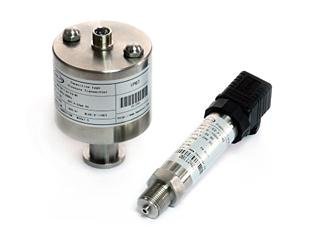
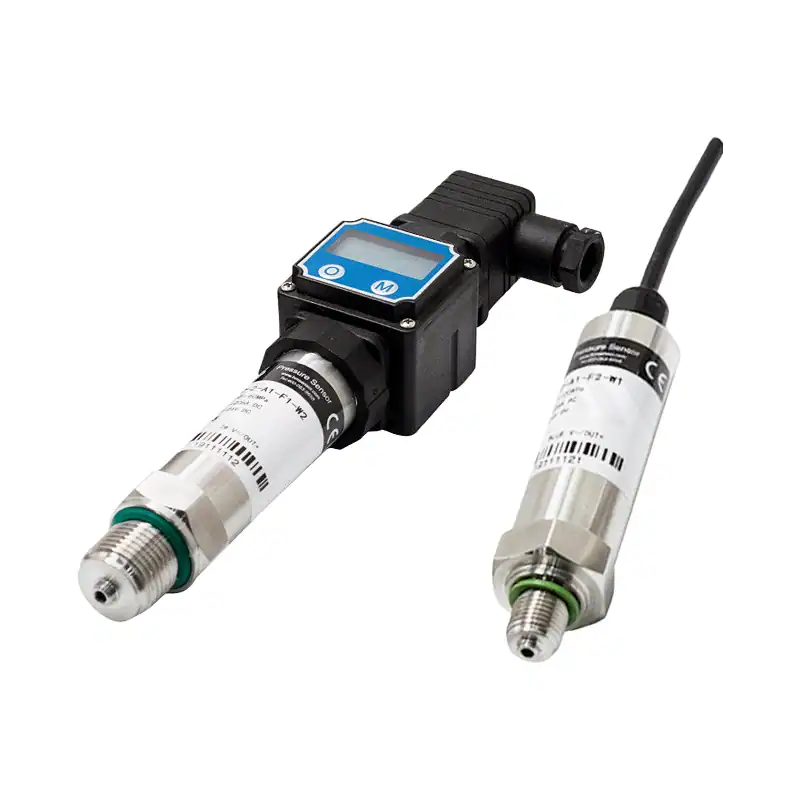
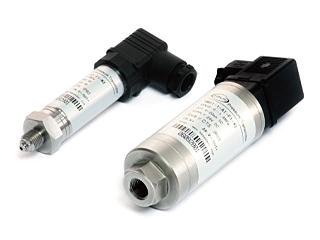
Need the vacuum or absolute transmitter behind the number?
Tell us the range in torr, psia or kPa-abs and whether it is absolute, vacuum or compound, and we will spec the right transmitter.