Feet of Head to PSI Calculator
Convert a fluid column or pump head in feet to pressure in psi for any fluid, including specific gravity. Use it to set a pressure-transmitter range from a tank height.
The formula, and the 0.433 constant
A column of fluid presses on whatever sits below it. For water, every foot of height adds 0.433 psi, so the working conversion is psi = feet of head × 0.433 × specific gravity. The constant is the reciprocal of the 2.31 feet-per-psi figure used by the psi to feet of head calculator: water weighs 62.4 pounds per cubic foot, which over 144 square inches per square foot works out to 0.433 psi per foot.
This is the direction that matters when you start from a physical height. A tank is 30 feet tall; what pressure will a transmitter at the bottom see? A pump must lift to a tower 80 feet up; what discharge pressure is that? Both start in feet and end in the psi or bar a gauge actually reads.
Setting a transmitter range from tank height
Hydrostatic level measurement puts a pressure transmitter at the base of a vessel and reads the head above it. To pick the range, convert the full liquid column to pressure at the real fluid SG, then add margin. The table converts a 30-foot column across fluids.
| Fluid | Specific gravity | 30 ft column = pressure |
|---|---|---|
| Water | 1.00 | 13.0 psi (0.896 bar) |
| Seawater | 1.025 | 13.3 psi (0.918 bar) |
| Diesel | 0.85 | 11.1 psi (0.762 bar) |
| Sulfuric acid 98% | 1.84 | 23.9 psi (1.649 bar) |
The acid case is the lesson: the same 30-foot column produces nearly double the pressure of water. Size the transmitter for water and it would saturate near the top of a heavy-fluid tank. Convert at the true SG first, then choose a range with about 20 percent headroom above the full-column value.
Pitfalls when converting head to pressure
Forgetting SG on a heavy fluid. Dropping the specific gravity term under-ranges the transmitter on dense fluids and over-ranges it on light ones. It is the single most common cause of a level signal that pins or never reaches full scale.
Mixing gauge and absolute. A hydrostatic reading is a gauge pressure referenced to atmosphere. If the vessel is sealed and pressurised, you need a differential measurement, not a single gauge tap, so the head term is not the whole story.
Using a rounded constant on tall columns. 0.433 is fine for most work, but on a 100-foot column the difference between 0.433 and a temperature-corrected density can be a fraction of a psi, which matters on a tight range. For precise work, use the density at operating temperature rather than a textbook SG.
Field check: at water SG, 30 feet is about 13 psi and 80 feet is about 35 psi. If your transmitter reads well away from that for a water column, recheck the SG and the gauge elevation before you suspect the instrument.
Frequently Asked Questions
How do you convert feet of head to psi?
Multiply the head in feet by 0.433 and by the fluid’s specific gravity. For water that is simply feet times 0.433; for other fluids include their SG.
How many psi is 1 foot of water?
One foot of water at a specific gravity of 1.0 equals 0.433 psi. The reciprocal is 2.31 feet of water per psi.
How do I size a pressure transmitter from a tank height?
Convert the full liquid column to pressure at the real fluid SG, then add about 20 percent headroom. A 30-foot water column is about 13 psi, so a 0 to 15 psi range fits.
How do I convert psi back to feet of head?
Multiply psi by 2.31 and divide by specific gravity, or use the reciprocal psi to feet of head calculator.
Related converters & tools
- Inches of Water to PSI — the low-range water-column unit
- PSI to Inches of Water — psi into inH2O for DP/HVAC
- Pressure Unit Converter — all 15 pressure units at once
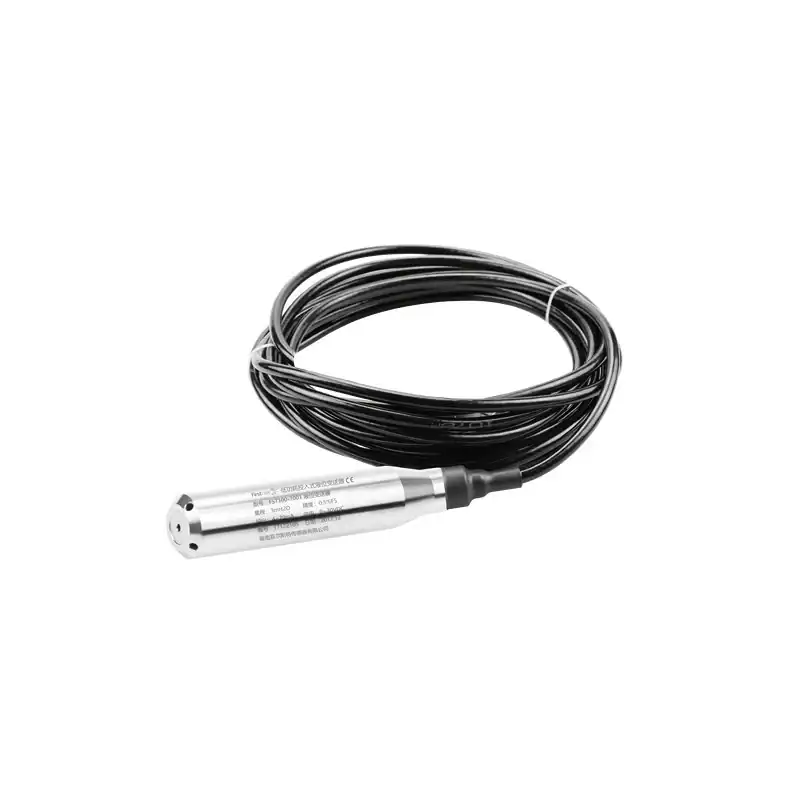
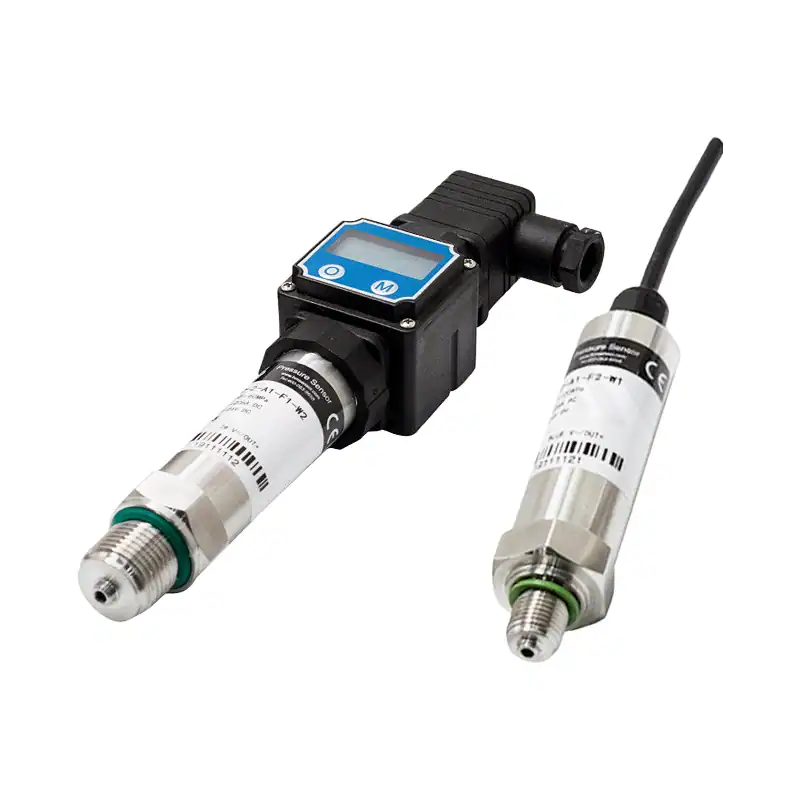
Need the transmitter behind the number?
Tell us the fluid, the head or pressure range, and the service. We will spec the right level or pressure transmitter.