PSI to Feet of Head Calculator
Convert pressure in psi to feet of head for any fluid, with a specific-gravity input most converters ignore. Built for pump sizing and hydrostatic level work.
The formula, and where 2.31 comes from
Feet of head is the height of a fluid column that produces a given pressure. For water, one psi lifts a column 2.31 feet high, so the working conversion is feet of head = psi × 2.31 ÷ specific gravity. The constant is not arbitrary. One psi is one pound spread over one square inch, or 144 pounds over one square foot. Water weighs 62.4 pounds per cubic foot, so 144 ÷ 62.4 = 2.31 feet of water per psi. Inverting it gives the reciprocal 0.433 psi per foot used by the feet of head to psi calculator.
Pump curves are drawn in feet of head, not psi, because head is independent of the fluid: a centrifugal pump develops the same head whether it moves water or diesel, while the pressure it produces changes with density. That is exactly why a gauge reading in psi has to be converted to head before you can read it against a pump curve.
Why specific gravity changes the answer
The 2.31 factor is only true for water at a specific gravity of 1.0. Most converters stop there, which quietly introduces error on every other fluid. A denser fluid produces more pressure for the same column height, so it yields fewer feet of head per psi; a lighter fluid yields more. The table shows 50 psi converted across common fluids.
| Fluid | Specific gravity | 50 psi = feet of head |
|---|---|---|
| Water | 1.00 | 115.5 ft |
| Seawater | 1.025 | 112.7 ft |
| Diesel | 0.85 | 135.9 ft |
| Ethylene glycol 50% | 1.07 | 107.9 ft |
| Sulfuric acid 98% | 1.84 | 62.8 ft |
The spread is large. Treating diesel as water overstates head by about 18 percent, and treating concentrated sulfuric acid as water overstates it by 84 percent. On a pump or a transmitter range, that is the difference between a correct selection and one that is badly off.
Three pitfalls that put the number wrong
Using 2.31 for a non-water fluid. This is the most common error. Always divide by the fluid’s specific gravity at its operating temperature, since density also drifts with temperature.
Confusing head with pressure on a pump curve. A pump rated for 120 feet of head does not deliver 120 psi. At water SG that head is only about 52 psi. Convert before you compare a gauge reading to the curve.
Ignoring gauge elevation. A gauge mounted above or below the measurement point reads a head offset equal to that elevation difference. On tall vessels, zero the elevation into the calculation or the level reading drifts.
A quick field check: at SG 1.0, every 2.31 feet of water adds 1 psi, so a 30-foot tank produces about 13 psi at the bottom. If your transmitter reads far from that, the fluid is not water, the SG is wrong, or the gauge elevation is unaccounted for.
Frequently Asked Questions
How do you convert psi to feet of head?
Multiply the pressure in psi by 2.31 and divide by the fluid’s specific gravity. For water the result is psi times 2.31. For other fluids, divide by their SG so the head reflects the real density.
Why is 1 psi equal to 2.31 feet of water?
One psi equals 144 pounds per square foot, and water weighs 62.4 pounds per cubic foot. Dividing 144 by 62.4 gives 2.31 feet of water column per psi.
Does the fluid matter when converting psi to feet of head?
Yes. The 2.31 factor is only valid for water. A denser fluid gives fewer feet per psi and a lighter fluid gives more, so you must divide by the fluid’s specific gravity.
How do I convert feet of head back to psi?
Multiply feet of head by 0.433 and by the specific gravity. Use the reciprocal feet of head to psi calculator for the reverse direction.
Related converters & tools
- Inches of Water to PSI — the low-range water-column unit
- PSI to Inches of Water — psi into inH2O for DP/HVAC
- Pressure Unit Converter — all 15 pressure units at once
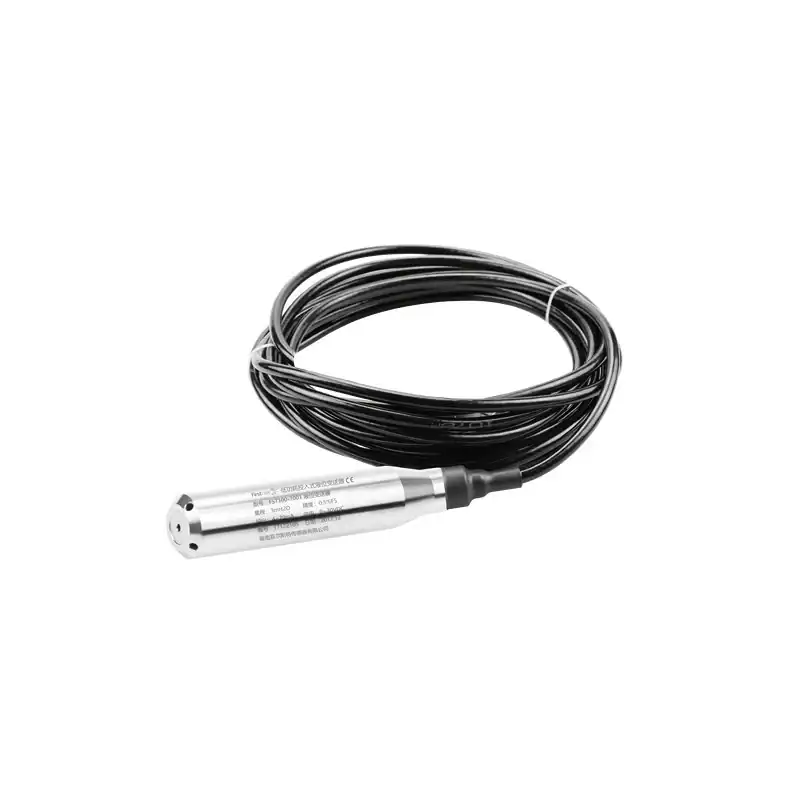
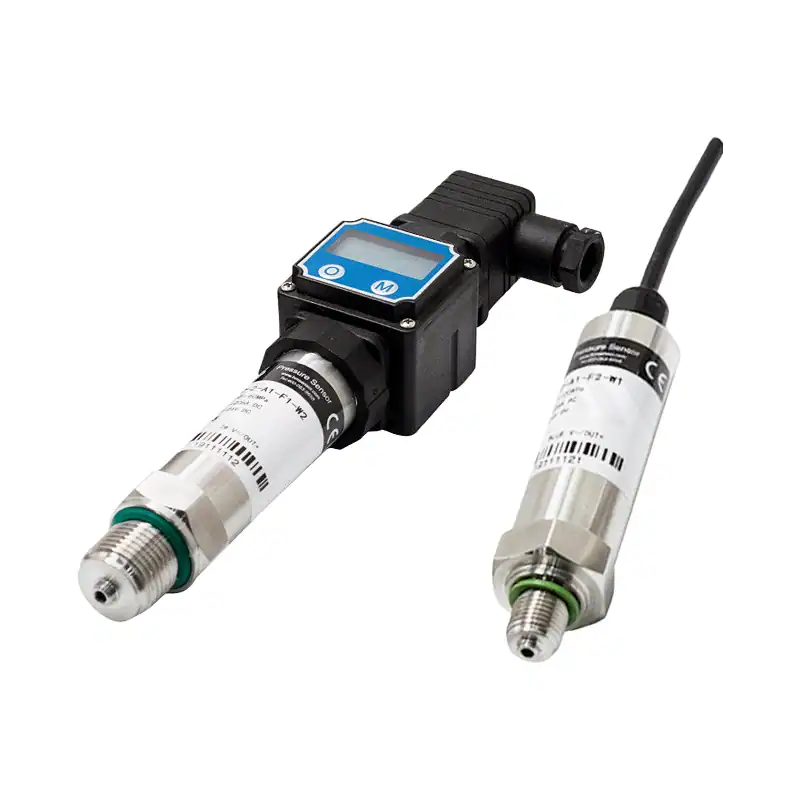
Need the transmitter behind the number?
Tell us the fluid, the head or pressure range, and the service. We will spec the right level or pressure transmitter.